Computational screening and molecular dynamics simulations have identified chemical compounds derived from olive plants that bind with high affinity to a critical enzymatic target involved in leukemia progression. In the study, researchers evaluated compounds originating from Olea europaea against human tRNA-dihydrouridine synthase 2, an enzyme that is overexpressed in malignant cells and plays an essential role in sustaining cancer cell growth. The investigation demonstrated that multiple natural molecules form stable structural complexes with the enzyme, highlighting specific candidates that could inform future therapeutic development against blood cancers.
The biological rationale for targeting human tRNA-dihydrouridine synthase 2, or hDus2, stems from its specific enzymatic activity and elevated presence in neoplastic tissue. Within cellular systems, hDus2 catalyzes the conversion of uridine into dihydrouridine within transfer RNA molecules, facilitating the translational mechanisms essential for the rapid growth and proliferation of cancer cells. Prior biological observations have established that inhibiting hDus2 activity directly reduces cancer cell growth and viability while concurrently enhancing sensitivity to apoptosis under stress conditions, designating the enzyme as an attractive target for therapeutic interventions in leukemia, which ranks among the primary causes of cancer-related fatalities.
To explore potential inhibitors from natural sources, the investigators focused on Olea europaea, a botanical species recognized for harboring diverse secondary metabolites. The plant is known to be rich in flavonoids, polyphenols, vitamins, and antioxidants, conferring broad biological properties that have shown significant value in the context of preventing severe chronic conditions, including cancer and Alzheimer’s disease. Based on these established health-promoting attributes, the research team examined Olea europaea extract for anti-cancer activity before proceeding to computational characterizations designed to isolate and evaluate specific active constituents at the molecular level.
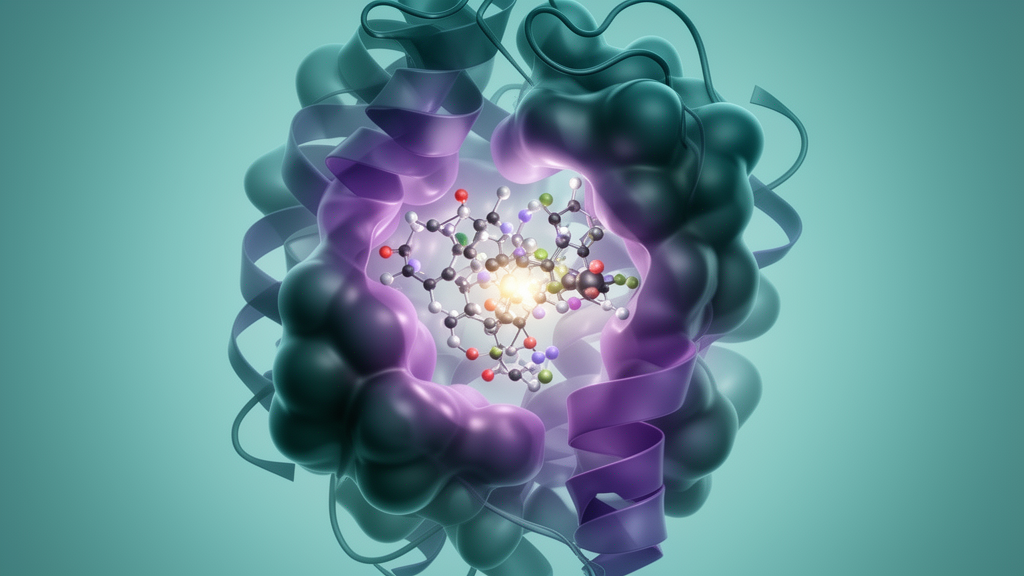
The computational workflow commenced with structure-based virtual screening to identify promising molecular leads from a comprehensive repository of olive constituents. The researchers obtained compound structures from the OliveNet database and screened a total of six hundred seventy-six distinct molecules against the catalytic structure of the hDus2 enzyme. Molecular docking procedures performed with the Glide software module permitted the systematic evaluation of binding orientations and molecular affinities, ultimately revealing that several entries within the library docked strongly into the enzyme target, from which the top five highest-affinity candidate molecules were selected for advanced dynamic modeling.
To rigorously evaluate the structural stability and conformational dynamics of the top five identified candidates, the authors subjected the docked ligand-enzyme complexes to molecular dynamics simulations. These simulations incorporated solvent molecules to closely mimic physiological aqueous environments, allowing the researchers to monitor whether the bound complexes maintained their conformational architecture over time. The computational trajectory analyses confirmed that all five complexes exhibited structural integrity and retained stable conformational dynamics when solvated, validating the initial predictions generated by the docking calculations.
Subsequent binding free energy calculations quantified the thermodynamic favorability of the interactions, demonstrating that all five simulated complexes remained stable throughout testing. Among the evaluated candidates, two specific compounds, designated P166 and P161, exhibited the highest binding potential against the hDus2 enzyme. The authors concluded that these favorable binding characteristics and stable dynamic profiles establish a structural foundation for advancing novel anti-cancer agents directed against hDus2 for the targeted treatment of leukemia.
Subject of Research: In silico identification of olive compounds targeting hDus2 in leukemia
Article Title: Identification of novel compounds from Olea Europaea targeting hDus2 as potential anticancer agents: a molecular docking and molecular dynamics study
Article References: Mukhija, M., Chandra, A., Devi, K., Chaudhuri, S., Bhattacharya, B., Sharma, T., & Goel, V. K. (2026). Identification of novel compounds from Olea Europaea targeting hDus2 as potential anticancer agents: a molecular docking and molecular dynamics study. Frontiers in Oncology, 16, Article 1845700. https://doi.org/10.3389/fonc.2026.1845700
Image Credits: AI Generated
DOI: 10.3389/fonc.2026.1845700
Keywords: Olea europaea, hDus2, tRNA-dihydrouridine synthase 2, leukemia, molecular docking, Glide module, molecular dynamics simulation, OliveNet database, P166, P161, binding free energy, anticancer agents, dihydrouridine, uridine conversion, apoptosis, polyphenols, flavonoids, structure-based virtual screening
News Source: Nathaniel Bowman. (November 17, 2026). Olive Compounds Show High Binding Affinity to Leukemia Target in Simulations. Scienmag.