Patients undergoing radical cystectomy for bladder cancer reported high levels of satisfaction with a supervised multimodal prehabilitation program, according to a mixed-methods evaluation published in BMC Cancer. The study, conducted as part of the broader ENHANCE trial, aimed to understand patient experiences with interventions specifically designed to improve physical fitness and reduce perioperative complications prior to surgery.
The research employed a mixed-methods design, where patients randomized to the structured multimodal prehabilitation program provided quantitative data through satisfaction questionnaires and participated in qualitative semi-structured interviews. Quantitative analysis included data from sixty patients, while fourteen individuals participated in the qualitative data collection, which was coded using a template analysis approach to identify recurring themes and experiences.
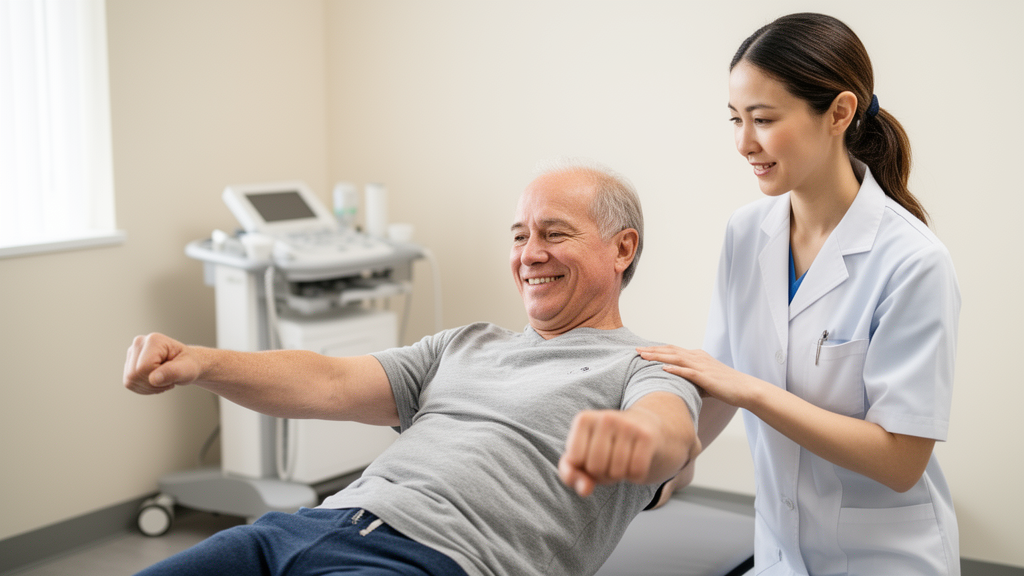
Participants evaluated various components of the intervention using satisfaction scores on a scale of one to ten. Supervised exercise received a median score of 9.0, reflecting high engagement and perceived value among the patients. Both nutritional counseling and protein supplementation were also positively received, each achieving a median satisfaction score of 8.0, indicating strong program acceptance.
Qualitative findings provided deeper context, with patients reporting subjective improvements in both their physical fitness and mental well-being during the prehabilitation period. The participants consistently valued the supervised exercise sessions, suggesting that the guided integration of physical activity into the pre-surgical phase significantly influenced their positive perception of the program’s benefits.
Beyond satisfaction ratings, the participants identified several actionable factors that they believed would facilitate and optimize patient engagement. Key recommendations included initiating the program as early as possible, ensuring a personalized approach for each patient, and providing transparent communication regarding program expectations. Additionally, participants stressed that receiving program information directly from their own healthcare providers was a critical factor in encouraging participation.
The researchers emphasized that these findings are essential for successfully integrating such prehabilitation initiatives into daily clinical practice. By addressing these identified actionable aspects—including practical considerations such as program reimbursement and clear, consistent messaging—clinicians may be better positioned to optimize patient adherence and enhance the overall effectiveness of prehabilitation interventions.
While the study offers insights into patient perspectives, the authors suggest that these experiences should guide the implementation of future prehabilitation programs. Understanding the nuances of patient participation remains a critical component for scaling these interventions to benefit more individuals scheduled for radical cystectomy, a major surgical procedure often associated with significant perioperative complication risks.
To assess patient experiences thoroughly, the quantitative questionnaire evaluated perceived effects alongside overall satisfaction ratings. In the detailed component breakdown, supervised exercise achieved an interquartile range of 8.0 to 10.0. Nutritional counseling registered an interquartile range of 7.0 to 9.0, while protein supplementation produced an interquartile range of 6.0 to 8.3.
For the qualitative evaluation, researchers invited consecutive participants to individual interviews, transcribing all dialogue verbatim before conducting template analysis. Authors emphasized that while prehabilitation may reduce complications after major surgery, current evidence remains limited. Ultimately, the effectiveness and real clinical impact of lifestyle interventions strongly depend on patient willingness to participate and consistent program adherence, highlighting the value of communicating expected benefits clearly.
Subject of Research: Mixed-methods evaluation of multimodal prehabilitation for radical cystectomy patients
Article Title: Experiences of patients with bladder cancer participating in a multimodal prehabilitation program before radical cystectomy: a mixed-methods evaluation study
Article References: Akdemir, E., Groen, W. G., Joosten, M. M. J., Vrieling, A., Sweegers, M. G., van Harten, W. H., May, A. M., Stuiver, M. M., The ENHANCE consortium, Barten, E. J., Bruins, H. M., Bos, S. D., Cauberg, E. C. C., van der Heijden, A. G., Hermans, T. J. N., Koldewijn, E. L., Leliveld-Kors, A. M., Marcelissen, T. A. T., Meijer, R. P., … Wijburg, C. J. (2026). Experiences of patients with bladder cancer participating in a multimodal prehabilitation program before radical cystectomy: a mixed-methods evaluation study. BMC Cancer. https://doi.org/10.1186/s12885-026-17337-9
Image Credits: AI Generated
DOI: 10.1186/s12885-026-17337-9
Keywords: bladder cancer, radical cystectomy, prehabilitation, multimodal intervention, patient satisfaction, supervised exercise, nutritional counseling, protein supplementation, ENHANCE trial, perioperative complications, mixed-methods study, clinical practice, physical fitness, mental well-being, patient experience, healthcare communication, implementation science
News Source: Nathaniel Bowman. (November 17, 2026). High Patient Satisfaction Reported in Bladder Cancer Prehabilitation Program. Scienmag.