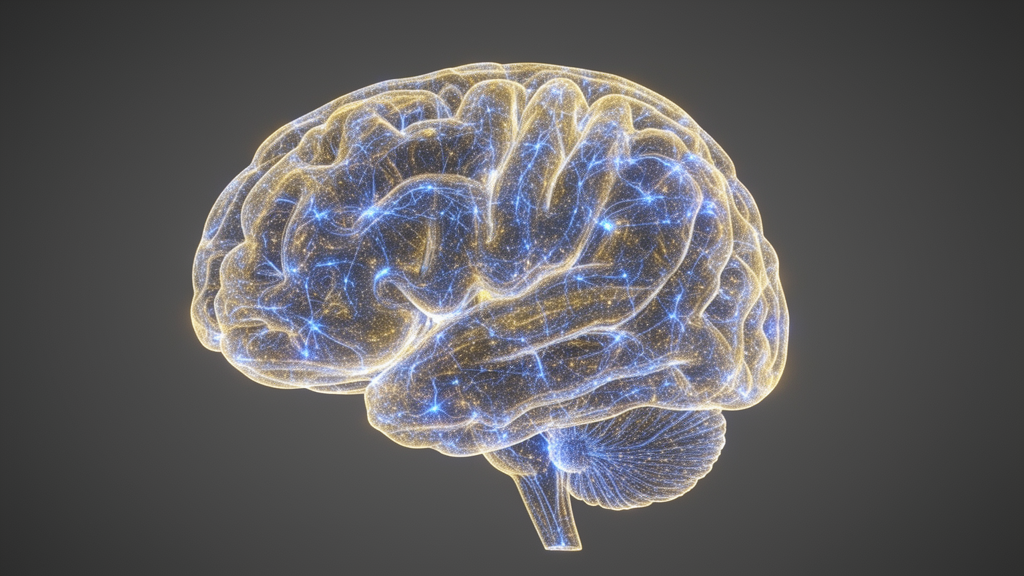
Researchers analyzing data from the OPTIMUM-NEURO study have identified distinct neural correlates of cognitive function in older adults with treatment-resistant late-life depression. Published in Nature Communications, the study demonstrates that specific patterns of brain connectivity and structural integrity are associated with cognitive performance and can predict the likelihood of remission to antidepressant treatments. The findings suggest that baseline brain structure, particularly cortical thickness, serves as a significant biomarker for treatment outcomes in this high-risk population, offering a potential pathway for more personalized psychiatric care.
The study focused on a population of older adults, defined as individuals over 60 years of age, who suffered from major depression that persisted despite at least two adequate trials of antidepressant medications. Treatment-resistant depression in late life is particularly challenging because further medication trials are often ineffective, and the condition is accompanied by high rates of cognitive impairment and an increased risk of developing dementia. The researchers aimed to understand the relationship between brain health, cognitive function, and treatment response to determine if neural markers could help identify patients who are more likely to benefit from specific therapeutic strategies.
The OPTIMUM-NEURO study was embedded within the broader OPTIMUM clinical trial, which evaluated antidepressant switch and augmentation strategies. Participants underwent detailed neuroimaging, including structural, functional, and diffusion MRI, as well as comprehensive neuropsychological testing. The sample was predominantly female, and a significant portion, over 40%, were assigned a neuropsychological diagnosis of mild cognitive impairment. This deeply phenotyped sample allowed the researchers to examine a wide breadth of precision biomarkers in a population that has historically lacked well-powered clinical trials with such detailed neurobiological data.
Using partial least squares regression models, the team analyzed the relationships between functional connectivity and cognitive function. They found that greater connectivity between the default mode network and the frontoparietal network was associated with worse cognitive performance across multiple domains, including attention, memory, and executive function. Conversely, lower connectivity between left and right frontoparietal components was linked to better cognitive outcomes. This pattern of de-segregation, where distinct brain networks become less distinct from one another, is often observed in aging and neurodegenerative conditions, suggesting it may be a key factor in cognitive decline associated with depression.
Diffusion imaging data revealed that lower tract integrity, measured by fractional anisotropy, in a distributed set of white matter tracts was associated with poorer processing speed. Specifically, the integrity of tracts such as the superior longitudinal fasciculus was linked to performance on the Trail Making A test, a measure of psychomotor speed. The researchers noted that white matter hyperintensities, an index of cerebrovascular disease burden, were also significantly associated with both white matter integrity scores and cognitive performance, supporting the hypothesis that cerebrovascular pathology may drive cognitive impairment in this population.
Structural MRI analyses showed that gray matter structure was positively associated with cognitive function. Higher cortical thickness in the insular cortex and greater volume of the hippocampus were linked to better performance on a range of cognitive tests. The study also identified protective factors for cognitive function, finding that greater levels of education were associated with better cognitive performance and higher white matter integrity. These findings align with the concept of cognitive reserve, where educational attainment may provide a buffer against the neural effects of depression and aging.
The predictive models developed in the study demonstrated that baseline cognitive and neuroimaging data could predict remission to treatment in the OPTIMUM trial. For the first step of the trial, which involved switching to bupropion or augmenting with bupropion or aripiprazole, a model including cognitive data, demographics, and baseline depression scores achieved an area under the curve of 0.67. When neuroimaging data, specifically 74 brain structure variables, were added to the model, the predictive accuracy increased to an AUC of 0.73. The best-performing model, which included specific cortical thickness and subcortical volume variables along with memory and executive function scores, achieved an out-of-sample AUC of 0.83, with a sensitivity of 0.80 and specificity of 0.70.
In the second step of the trial, which involved switching to nortriptyline or lithium augmentation, the predictive performance varied. Cortical thickness was found to be predictive of remission, whereas cognitive or clinical data alone did not improve performance in held-out data. The best model for this step, including 19 cortical thickness or subcortical volume variables and baseline depression scores, achieved an out-of-sample AUC of 0.77. These results suggest that different biomarkers may be relevant for predicting response to different classes of antidepressant medications, with structural MRI markers showing particular stability and prognostic potential over the span of a few months.
The study also examined the change in depression severity over time, operationalizing treatment response as the change in Montgomery-Asberg Depression Rating Scale scores. A partial least squares regression model including demographic, clinical, cognitive, and brain structure data explained a significant amount of variance in the slopes of change in depression scores. This indicates that the combination of neural and cognitive markers can capture the trajectory of treatment response, providing a more nuanced view of how patients respond to therapy over time.
The researchers acknowledged several limitations of the study, including the cross-sectional nature of the brain-cognition associations and the sample size available for neuroimaging models. They noted that while the predictive performance was substantial, it needs to be tested in cross-trial analyses to establish generalizability. Additionally, the timing of the cognitive and neuroimaging visits relative to the treatment varied for some participants, although sensitivity analyses showed that the prediction results remained consistent when only including participants who completed these visits before the end of their treatment.
The findings highlight the importance of integrating neurobiological markers into the assessment of treatment-resistant late-life depression. By identifying specific brain circuits and structural features associated with cognitive function and treatment response, the study provides a foundation for developing precision medicine approaches. Future longitudinal studies will be needed to determine how these markers change over time and to further clarify their role in predicting long-term outcomes and the risk of neural and cognitive decline in this vulnerable population.
The study underscores the complex interplay between brain health, cognition, and psychiatric treatment in older adults. The OPTIMUM-NEURO study contributes to this effort by providing detailed insights into the neural underpinnings of cognitive impairment and treatment resistance, paving the way for more targeted and effective therapeutic interventions.
These results are consistent with existing literature on healthy aging and mild cognitive impairment, suggesting that many brain-cognition findings, such as the role of the default mode and frontoparietal networks in memory and executive function, are also critical in treatment-resistant late-life depression. The protective effects of education and intact brain structure observed in this study further emphasize the importance of maintaining cognitive reserve and brain health in older adults with depression. The predictive models developed in this study are promising and should be tested prospectively as treatment-relevant biotypes to guide clinical decision-making.
In conclusion, the study identifies distinct neural correlates of varying levels of cognitive performance in older adults with treatment-resistant late-life depression. The findings demonstrate that brain structure, particularly cortical thickness, is a strong predictor of treatment response to antidepressant medications. By linking neural circuits to cognitive function and treatment outcomes, the research offers new insights into the neurobiology of late-life depression and highlights the potential for using biomarkers to personalize treatment strategies for this challenging patient population.
Subject of Research: Neural correlates of cognitive function and treatment response in treatment-resistant late-life depression
Article Title: Brain-cognition relationships and treatment outcome in treatment-resistant late-life depression
Article References: Zhukovsky, P., Butters, M. A., Lavretsky, H., Brown, P., Shimony, J. S., Lenze, E. J., Blumberger, D. M., Flint, A. J., Karp, J. F., Roose, S., Dickie, E. W., Felsky, D., Nicol, G. E., Al-Dabagh, Y., Schoer, N., Obiri, F., Runk, A., Conaty, K., Mulsant, B. H., & Voineskos, A. N. (2026). Brain-cognition relationships and treatment outcome in treatment-resistant late-life depression. Nature Communications, 17(1), Article 10331. https://doi.org/10.1038/s41467-026-76842-4
Image Credits: AI Generated
DOI: 10.1038/s41467-026-76842-4
Keywords: treatment-resistant depression, late-life depression, neuroimaging, cognitive function, brain structure, functional connectivity, white matter integrity, cortical thickness, treatment response, biomarkers, OPTIMUM trial, mild cognitive impairment, default mode network, frontoparietal network, precision medicine, psychiatric care, neurodegeneration, cognitive reserve, antidepressant therapy, older adults
News Source: Glenn Wilkins. (November 16, 2026). Brain Structure Predicts Treatment Response in Late-Life Depression. Scienmag.