• HOME
  • NEWS
  • EXPLORE
    • CAREER
      • Companies
      • Jobs
    • EVENTS
    • iGEM
      • News
      • Team
    • PHOTOS
    • VIDEO
    • WIKI
  • BLOG
  • COMMUNITY
    • FACEBOOK
    • INSTAGRAM
    • TWITTER
Saturday, February 7, 2026
BIOENGINEER.ORG
No Result
View All Result
  • Login
  • HOME
  • NEWS
  • EXPLORE
    • CAREER
      • Companies
      • Jobs
        • Lecturer
        • PhD Studentship
        • Postdoc
        • Research Assistant
    • EVENTS
    • iGEM
      • News
      • Team
    • PHOTOS
    • VIDEO
    • WIKI
  • BLOG
  • COMMUNITY
    • FACEBOOK
    • INSTAGRAM
    • TWITTER
  • HOME
  • NEWS
  • EXPLORE
    • CAREER
      • Companies
      • Jobs
        • Lecturer
        • PhD Studentship
        • Postdoc
        • Research Assistant
    • EVENTS
    • iGEM
      • News
      • Team
    • PHOTOS
    • VIDEO
    • WIKI
  • BLOG
  • COMMUNITY
    • FACEBOOK
    • INSTAGRAM
    • TWITTER
No Result
View All Result
Bioengineer.org
No Result
View All Result
Home NEWS Science News Biology

After decades of clean up attempts, world’s lakes still suffer from phosphorus pollution

Bioengineer by Bioengineer
January 24, 2018
in Biology, Science News
Reading Time: 2 mins read
0
Share on FacebookShare on TwitterShare on LinkedinShare on RedditShare on Telegram
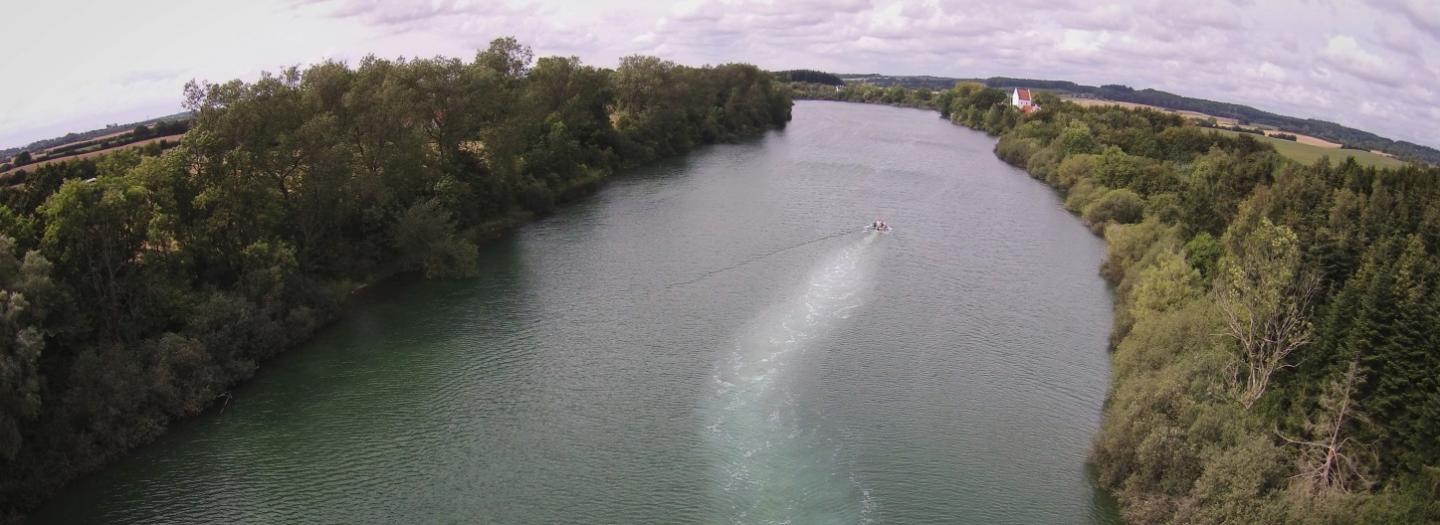
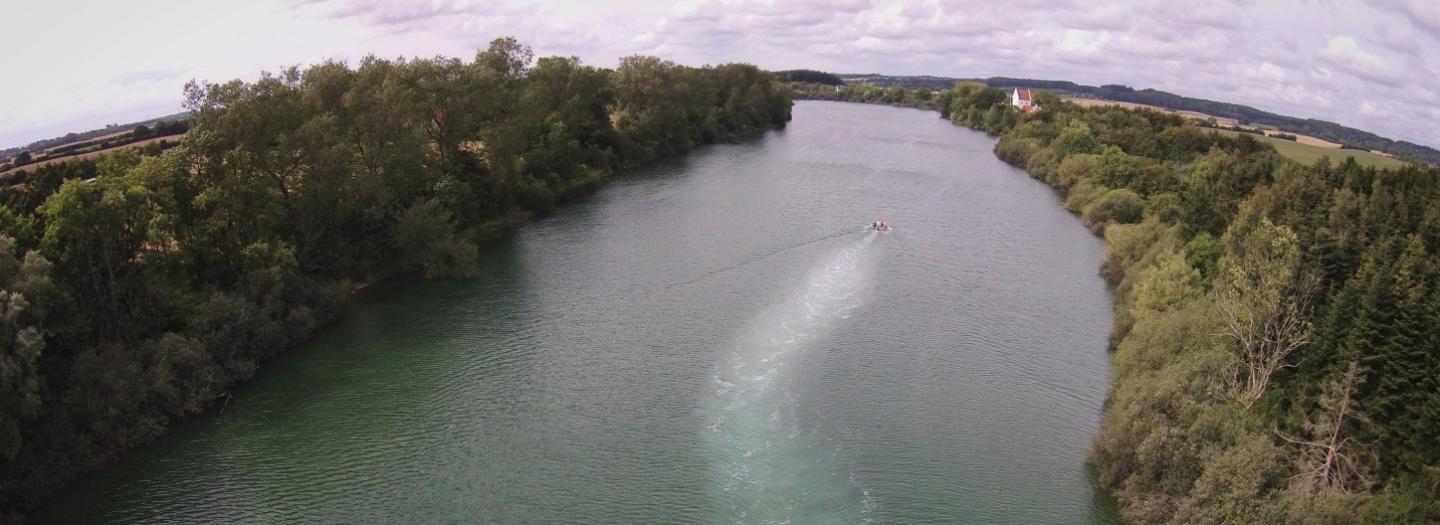
IMAGE

Leading scientists warn: Phosphorus pollution is a major concern. We need to speed up recovery treatments of lakes – or accept poor freshwater quality. In a series of studies published in a special issue of the journal Water Research, leading scientists assess how to control phosphorus pollution in lakes.

– In 40 % of Europe's lakes the water quality does not meet the demands of EUs Water Framework Directive, mainly due to phosphorus pollution. That is a huge problem for biodiversity and society and we need to put an effort into developing effective approaches to restore these lakes, says Associate Professor Kasper Reitzel, Department of Biology, University of Southern Denmark.

Together with colleagues Sara Egemose and Henning S. Jensen, Reitzel is co-author of several contributions in a special issue of the journal Water Research. Kasper Reitzel is also co-editor. They are experts in lake restoration and are associated with the Villum Kann Rasmussen Centre of Excellence, Centre for Lake Restoration, (CLEAR).

The special issue of Water Research brings together 60 authors from 12 countries. In a press release the journal writes:

"Phosphorus is the biggest cause of water quality degradation worldwide, causing "dead zones", toxic algal blooms, loss of biodiversity and increased health risks for the plants, animals and humans that come in contact with polluted waters.

After decades with run-off from agriculture, human sewage and industrial practices, phosphorus has been stock piled at an alarming rate in our lake bed sediments. The scale of the problem is daunting, and even though enormous attempts are done to reduce the runoff humans are still pumping about 10 million tonnes of extra phosphorus into our freshwaters every year.

Long-term monitoring activities following the fate of phosphorus in lakes show that plants and animals don't recover for many years even if the phosphorus load is decreased. This is because phosphorus stored in bed sediments is released back to the water column and recycled in the lake."

So-called geo-engineering in lakes is widely used to clean lakes from phosphorus pollution.

Often used geo-engineering methods are additions of aluminum salts or modified clays into the lake to lock excess phosphorus stored in the sediments.

– However, results have not always been good. Often lake managers have used geo-engineering uncritically in lakes where the external loading of phosphorous was not reduced enough or they have applied too low dosage because of economy, says Sara Egemose, Department of Biology, University of Southern Denmark.

The special issue brings a scientific update on geo-engineering of lakes which Danish researchers in CLEAR have translated into guidelines for restoration of Danish lakes in cooperation with the Danish Nature Agency.

###

Media Contact

Birgitte Svennevig
[email protected]

http://www.sdu.dk/

Share12Tweet8Share2ShareShareShare2

Related Posts

Evaluating Pediatric Emergency Care Quality in Ethiopia

February 7, 2026

TPMT Expression Predictions Linked to Azathioprine Side Effects

February 7, 2026

Improving Dementia Care with Enhanced Activity Kits

February 7, 2026

Decoding Prostate Cancer Origins via snFLARE-seq, mxFRIZNGRND

February 7, 2026
Please login to join discussion

POPULAR NEWS

  • Robotic Ureteral Reconstruction: A Novel Approach

    Robotic Ureteral Reconstruction: A Novel Approach

    82 shares
    Share 33 Tweet 21
  • Digital Privacy: Health Data Control in Incarceration

    63 shares
    Share 25 Tweet 16
  • Study Reveals Lipid Accumulation in ME/CFS Cells

    57 shares
    Share 23 Tweet 14
  • Breakthrough in RNA Research Accelerates Medical Innovations Timeline

    53 shares
    Share 21 Tweet 13

About

We bring you the latest biotechnology news from best research centers and universities around the world. Check our website.

Follow us

Recent News

Evaluating Pediatric Emergency Care Quality in Ethiopia

TPMT Expression Predictions Linked to Azathioprine Side Effects

Improving Dementia Care with Enhanced Activity Kits

Subscribe to Blog via Email

Success! An email was just sent to confirm your subscription. Please find the email now and click 'Confirm' to start subscribing.

Join 73 other subscribers
  • Contact Us

Bioengineer.org © Copyright 2023 All Rights Reserved.

Welcome Back!

Login to your account below

Forgotten Password?

Retrieve your password

Please enter your username or email address to reset your password.

Log In
No Result
View All Result
  • Homepages
    • Home Page 1
    • Home Page 2
  • News
  • National
  • Business
  • Health
  • Lifestyle
  • Science

Bioengineer.org © Copyright 2023 All Rights Reserved.