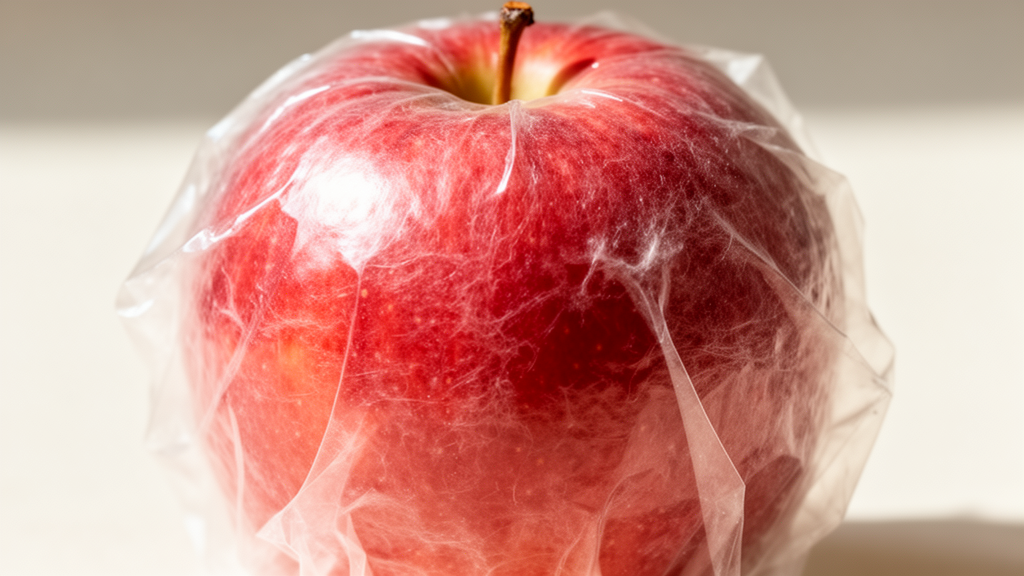
With annual global plastic waste surging to approximately 400 million tons and food packaging generating over 40 percent of that total, sustainable material development has become an urgent international priority. Petroleum-based polymers cause persistent environmental contamination and fragment into microplastics that enter ecosystems and food webs, creating documented threats to biodiversity and human health. Under policy mandates including the European Green Deal, which targets recyclable or biodegradable plastic packaging by 2030, and China’s 14th Five-Year Plan for Bioeconomy Development, researchers are developing biopolymer alternatives from renewable biological feedstocks. A comprehensive review published in Collagen and Leather by Jiaqi Lu and colleagues systematically assesses recent scientific progress in protein-based packaging films. Derived from animal and plant streams, these biopolymers provide natural biodegradability, biocompatibility, and film-forming capabilities. The authors analyze extraction techniques, mechanical modifications, barrier enhancements, active antimicrobials, and intelligent freshness indicators, outlining a pathway to transition protein packaging from laboratory research to commercial food distribution.
Animal proteins utilized for film fabrication are primarily recovered from meat, seafood, and dairy processing by-products, converting industrial residues into functional biopolymer substrates. Collagen extracted from bovine bones, pig skins, fish scales, and fish skin features a distinctive triple-helix conformation that forms continuous matrices through hydrogen bonding, van der Waals forces, and chain entanglement, exhibiting notable flexibility and oxygen barrier properties. Partial hydrolysis of collagen yields gelatin, whose mechanical resistance and elasticity depend directly on the degree of chain cleavage. Dairy processing contributes substantial volumes of casein and whey proteins from cheese manufacturing. Casein contains four major subunits rich in phosphoserine residues, forming cohesive films via hydrophobic interactions, hydrogen bonding, and disulfide linkages. Animal protein films generally provide superior mechanical strength under low humidity and excellent gas barriers compared to plant polymers due to their compact molecular structures. However, their high concentration of hydrophilic polar groups promotes water absorption, causing structural weakening under humid conditions.
Plant proteins provide an abundant, renewable alternative, led by soy protein isolate, zein, and wheat gluten. Soy protein isolate exhibits excellent film-forming capability and gas barrier performance, but globular aggregation exposes hydrophilic sites that cause significant water sensitivity and mechanical loss in moist environments. Zein, recovered from corn processing by-products, comprises over 50 percent hydrophobic amino acids and less than 20 percent hydrophilic residues. Its alpha-helical architecture gives zein superior moisture resistance, thermal stability, and film formation compared to most plant proteins. Wheat gluten consists of glutenins that build cross-linked networks via disulfide bonds and gliadins that contribute viscous plasticity, delivering low oxygen transmission but high moisture sensitivity above 75 percent relative humidity. Non-traditional plant and biomass proteins—including rice protein with low allergenicity, sunflower seed protein, keratin from feathers and hair, fish muscle proteins, and algal or insect proteins—further expand sustainable feedstock possibilities for packaging applications.
Fabrication of protein packaging utilizes wet solvent casting or solvent-free dry processing technologies. In solution casting, proteins dissolve in aqueous or alcoholic solvents under adjusted pH conditions to disrupt native conformations and optimize chain mobility. Additives including plasticizers to enhance flexibility, cross-linkers to boost mechanical integrity, and bioactive compounds are dispersed throughout the solution. The mixture is cast onto flat substrates and dried under controlled temperature and humidity. Although casting provides precise thickness control, its prolonged drying cycles and scaling difficulties limit industrial throughput. In contrast, dry processing eliminates liquid carriers through thermo-mechanical forces. Electrospinning applies high-voltage electrostatic fields to form Taylor cones, generating ultrafine fibers from 50 nanometers to several micrometers in porous nonwoven mats. Hot pressing applies simultaneous heat and pressure to induce partial denaturation and covalent bonding into dense sheets. For large-scale manufacturing, extrusion propels protein materials through heated barrels with rotating screws, where thermal energy and mechanical shear melt proteins into homogeneous viscoelastic streams that solidify upon cooling into dense, continuous films.
Practical food packaging requires balancing tensile strength, elongation at break, and Young’s modulus to prevent punctures and tears. Because native protein films often exhibit brittleness or moisture sensitivity, chemical cross-linking, plasticizer blending, and nanocomposite reinforcement are applied to tune performance. Incorporating cellulose nanocrystals and cedar needle extract into soy protein isolate films increased tensile strength by approximately 40 percent, though elongation at break declined by over 50 percent due to restricted chain mobility. Conversely, Xu and co-workers demonstrated that adding vanillin into protein films decreased tensile strength from 8.00 to 5.77 megapascals but elevated elongation at break from 63.22 percent to 190.55 percent, raising film toughness from 5.53 to 10.08 megajoules per cubic meter while lowering Young’s modulus from 2.16 to 1.26 megapascals. Furthermore, Qiu and colleagues incorporated cinnamaldehyde-tannic acid-zinc nanoparticles into biopolymer films, driving tensile strength from 7.33 megapascals up to 70 megapascals while reducing elongation at break to approximately 13 percent.
Barrier properties against water vapor, oxygen, and carbon dioxide directly dictate how effectively packaging materials retard moisture loss, lipid oxidation, and respiration in stored goods. Most protein films suffer from elevated water vapor permeability coefficients because hydrophilic polypeptide segments absorb water molecules, accelerating plasticization and vapor transmission. To suppress transmission rates, researchers combine proteins with polysaccharides, lipids, or functional nanostructures to establish tortuous diffusion pathways. Combining soy protein isolate with kappa-carrageenan and cellulose nanofibrils produces dense interfacial networks that extend gas migration pathways, enhancing oxygen barrier efficiency. Similarly, Li and colleagues demonstrated that integrating reactive tannin-nanocellulose microgels into gelatin matrices decreased surface hydrophilicity, water solubility, and water vapor permeability compared to pure gelatin. Additionally, adding cinnamaldehyde-tannic acid-zinc nanoparticles markedly reduced film moisture content, swelling indices, and water solubility, confirming that structural densification effectively shields perishable foods from moisture exchange and environmental degradation.
Integrating antimicrobial agents transforms protein films into active packaging that suppresses foodborne pathogens and spoilage microorganisms. Inorganic antimicrobials such as silver and zinc oxide nanoparticles provide broad-spectrum bactericidal activity. Silver nanoparticles release silver ions that bind microbial respiratory enzymes, disrupt membrane integrity, and hinder DNA replication; composite films using sodium alginate-modified silver metal-organic frameworks reached 98 percent bacterial inhibition at twice the minimal inhibitory concentration. Photoactive zinc oxide nanoparticles generate reactive oxygen species—including hydroxyl radicals and superoxide anions—under ultraviolet or visible light, damaging microbial lipids and proteins. An engineered flower-like citral-zinc oxide filler demonstrated potent antibacterial performance, reducing Salmonella enteritidis and Staphylococcus aureus populations by 6.0 and 6.3 log CFU/mL, respectively. In composite nanofiber membranes incorporating camellia oil and zinc oxide-titanium dioxide nanoparticles within polyvinyl butyral matrices, researchers achieved bacterial inhibition rates of 94.63 percent against Escherichia coli and 92.13 percent against Staphylococcus aureus.
Natural organic antimicrobials provide non-toxic active preservation, avoiding synthetic additives while maintaining biodegradability. Plant essential oils contain terpenoids and phenolic molecules that disrupt microbial cell membranes, alter permeability, and leak intracellular contents. For example, coating gelatin films with 1 percent cinnamon essential oil reduced Staphylococcus aureus counts by 25.2 percent on cheese stored at 4 degrees Celsius for three weeks. In bread trials, chitosan films infused with apricot kernel essential oil completely suppressed fungal growth on bread slices, while thyme essential oil emulsions within soy lipophilic protein films achieved near-complete elimination of Escherichia coli and Staphylococcus aureus. Chitosan contributes antimicrobial action through positively charged amino groups that interact with negatively charged cell surfaces, causing structural disruption and metal chelation. Furthermore, natural enzymes like egg white lysozyme hydrolyze bacterial cell walls; integrating lysozyme into zein films inhibited Bacillus subtilis and Lactobacillus plantarum, proving that bio-based antimicrobials effectively retard spoilage in clean-label packaging formulations.
Lipid peroxidation compromises flavor, color, and nutritional value in meat, seafood, and dairy products, prompting the incorporation of natural antioxidants into packaging films. Plant-derived phenolic compounds, vitamins, and extracts donate electrons through aromatic hydroxyl groups to quench free radicals and arrest oxidative cascades. Whey protein films formulated with essential oils from Cinnamomum cassia, Cinnamomum zeylanicum, and Rosmarinus officinalis inhibited ultraviolet-induced oxidation in bacon, extending product shelf life up to 180 days. In fresh pork packaging, green, oolong, and black tea extracts preserved meat quality, while myofibrillar protein films containing catechin suppressed lipid oxidation and myoglobin formation in frozen fish fillets. Jia and co-workers developed edible chitosan-dialdehyde cellulose films loaded with proanthocyanidins, achieving radical scavenging activities of 99.44 percent against ABTS and 96.65 percent against DPPH. Similarly, gelatin composite films containing blueberry pectin or coffee leaf extract-iron complexes significantly retarded olive oil peroxidation and lutein photodegradation during extended ambient storage.
Beyond passive protection, intelligent packaging integrates optical sensors that communicate food freshness in real time, while practical trials demonstrate tangible shelf-life extensions across commercial commodities. Bio-based films embed pH-sensitive natural chromophores—such as anthocyanins, betacyanins, and curcumin—that change color in response to microbial metabolites and volatile amines. Sensors using red radish anthocyanin amyloid fibrils from whey protein shifted from red to violet-blue as volatile nitrogen rose during shrimp decomposition, while gelatin films incorporating zinc-glutamate frameworks and anthocyanins transitioned from brownish-red to green during chicken storage. Real-world food trials confirm substantial preservation efficacy: gelatin-chitosan films enriched with Flos Sophora Immaturus extracts reduced apple weight loss by 9.52 percent and decay rates by 22.5 percent, while essential oil-loaded bacterial cellulose films prolonged refrigerated sea bass freshness by six days. Commercial deployment requires resolving life-cycle drying bottlenecks and ensuring regulatory compliance with European regulations EC 1935/2004 and EC 10/2011 alongside United States Food and Drug Administration standards.
Subject of Research: Biodegradable protein-based food packaging films and preservation technologies
Article Title: Recent progress in protein-based food packaging films
Article References: Lu, J., Xu, Q., Ma, J., Xu, X., Zhao, Y., Pu, Y., Deng, Y., Yan, K., Zong, Y., & Fan, Q. (2025). Recent progress in protein-based food packaging films. Collagen and Leather, 7(1), Article 41. https://doi.org/10.1186/s42825-025-00231-8
Image Credits: AI Generated
DOI: 10.1186/s42825-025-00231-8
Keywords: protein-based films, biodegradable packaging, food preservation, soy protein isolate, corn zein, collagen films, gelatin packaging, casein polymers, solution casting, melt extrusion, active packaging, antimicrobial nanoparticles, zinc oxide nanoparticles, essential oils, antioxidant packaging, intelligent packaging, freshness indicators, water vapor permeability
News Source: Denise Maddox. (November 14, 2026). Biodegradable Protein Packaging Films Advance to Replace Conventional Food Plastics. Scienmag.