• HOME
  • NEWS
  • EXPLORE
    • CAREER
      • Companies
      • Jobs
    • EVENTS
    • iGEM
      • News
      • Team
    • PHOTOS
    • VIDEO
    • WIKI
  • BLOG
  • COMMUNITY
    • FACEBOOK
    • INSTAGRAM
    • TWITTER
Wednesday, January 14, 2026
BIOENGINEER.ORG
No Result
View All Result
  • Login
  • HOME
  • NEWS
  • EXPLORE
    • CAREER
      • Companies
      • Jobs
        • Lecturer
        • PhD Studentship
        • Postdoc
        • Research Assistant
    • EVENTS
    • iGEM
      • News
      • Team
    • PHOTOS
    • VIDEO
    • WIKI
  • BLOG
  • COMMUNITY
    • FACEBOOK
    • INSTAGRAM
    • TWITTER
  • HOME
  • NEWS
  • EXPLORE
    • CAREER
      • Companies
      • Jobs
        • Lecturer
        • PhD Studentship
        • Postdoc
        • Research Assistant
    • EVENTS
    • iGEM
      • News
      • Team
    • PHOTOS
    • VIDEO
    • WIKI
  • BLOG
  • COMMUNITY
    • FACEBOOK
    • INSTAGRAM
    • TWITTER
No Result
View All Result
Bioengineer.org
No Result
View All Result
Home Headlines

Tulane University awarded $12 million to create Lassa vaccine and…

Bioengineer.org by Bioengineer.org
January 24, 2018
in Headlines, Health, Science News
Reading Time: 2 mins read
0
Share on FacebookShare on TwitterShare on LinkedinShare on RedditShare on Telegram
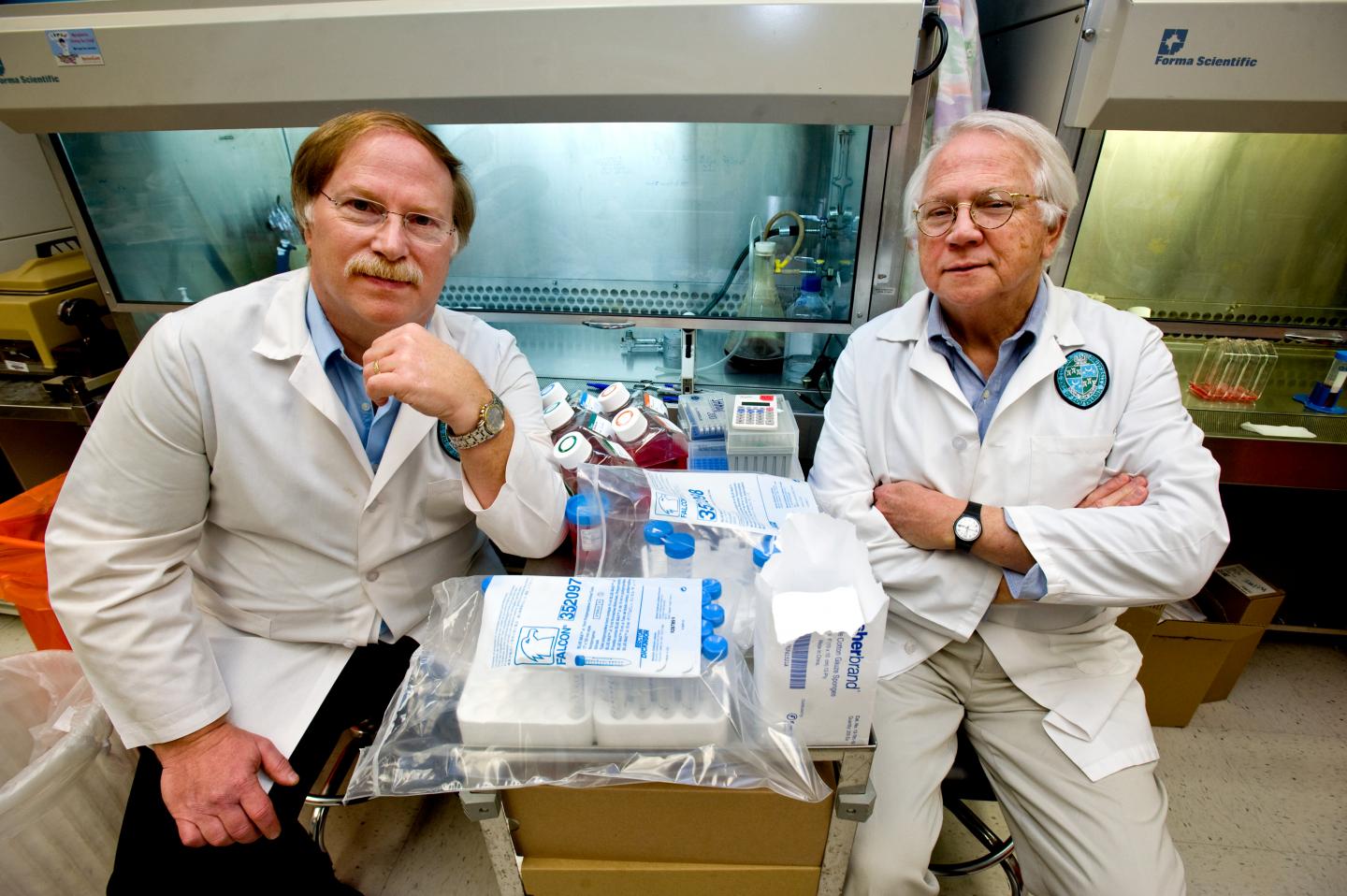
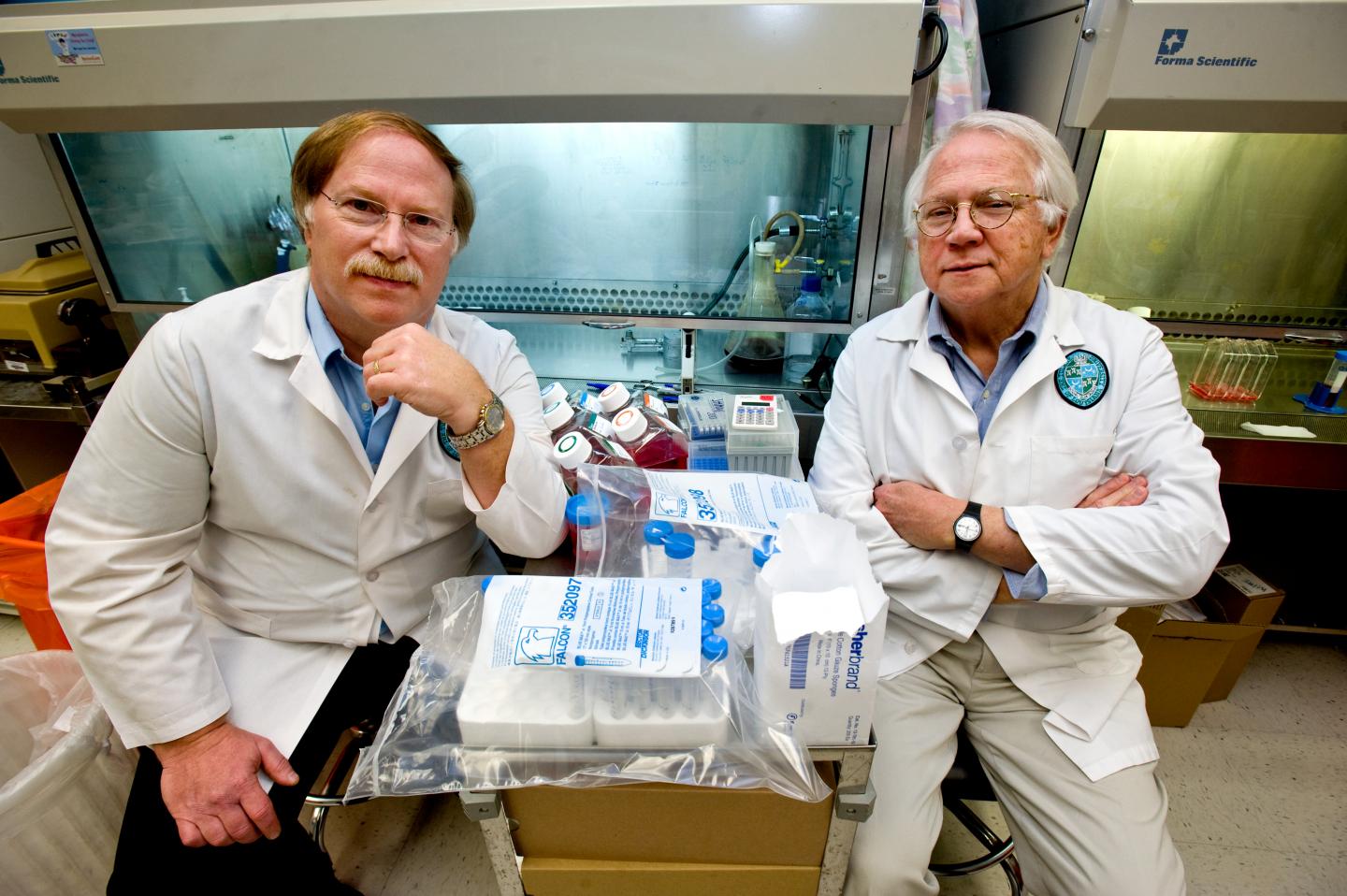
IMAGE

Credit: (Photo by Paula Burch-Celentano)

The National Institutes of Health has awarded Tulane University more than $12 million to test a promising drug treatment against Lassa fever and develop a vaccine against the deadly disease endemic in parts of West Africa.

The NIH's National Institute of Allergy and Infectious Diseases awarded virologist Robert Garry two, five-year grants for the preclinical research — $5.72 million to evaluate a potent Lassa fever antibody drug cocktail and $6.32 million to design a vaccine based on a recently discovered key antibody target on the surface of the virus.

Lassa fever is a severe and often fatal hemorrhagic illness caused by Lassa virus. There is no vaccine against the virus, which infects more than 300,000 annually.

"These two projects complement each other. In West Africa, we need a drug to treat acutely infected patients as well as a preventative measure to stop it," says Garry, professor of microbiology and immunology at Tulane University School of Medicine. "Vaccine initiatives in rural Africa are difficult so you are never going to be able to vaccinate everyone. You need to be able to treat people when they get sick."

The vaccine will test antibodies that target a recently identified viral surface structure, called the surface glycoprotein, which can block it from infecting a host cell. The vaccine will also incorporate similar glycoproteins against Ebola that are already being tested in clinical trials.

"Ebola is likely to come back, and Lassa isn't going away so you have to protect against both," Garry says. "We think we can do it with one shot."

The other project will test the three most potent Lassa antibodies to see which formulation will work best in a drug therapy. Together, the three have been highly protective in early animal studies, Garry says. Collaborators include Tulane virologist Dr. James Robinson and scientists at Zalgen Labs, The Scripps Research Institute, the University of Texas Medical Branch at Galveston and the Sanford Burnham Prebys Medical Discovery Institute.

Tulane researchers have been studying Lassa in West Africa with a team of collaborators for more than 14 years. They have developed a rapid test to diagnose the disease in the field and spent years collecting blood samples from survivors to identify critical antibodies against the virus.

###

Media Contact

Keith Brannon
[email protected]
504-862-8789
@TulaneNews

http://www.tulane.edu

Original Source

http://tulane.it/2sMgP4E
Share12Tweet7Share2ShareShareShare1

Related Posts

Omega-3 DHA Triggers Ovarian Cancer Cell Death

January 14, 2026
Exploring Farmers’ Preferences in Common Bean Innovations

Exploring Farmers’ Preferences in Common Bean Innovations

January 14, 2026

Future Outlook: SARS and COVID-19 Explained

January 14, 2026

精准表型:变分自编码树模型解析2型糖尿病

January 14, 2026
Please login to join discussion

POPULAR NEWS

  • Enhancing Spiritual Care Education in Nursing Programs

    155 shares
    Share 62 Tweet 39
  • PTSD, Depression, Anxiety in Childhood Cancer Survivors, Parents

    147 shares
    Share 59 Tweet 37
  • Robotic Ureteral Reconstruction: A Novel Approach

    74 shares
    Share 30 Tweet 19
  • Study Reveals Lipid Accumulation in ME/CFS Cells

    53 shares
    Share 21 Tweet 13

About

We bring you the latest biotechnology news from best research centers and universities around the world. Check our website.

Follow us

Recent News

Omega-3 DHA Triggers Ovarian Cancer Cell Death

Exploring Farmers’ Preferences in Common Bean Innovations

Future Outlook: SARS and COVID-19 Explained

Subscribe to Blog via Email

Enter your email address to subscribe to this blog and receive notifications of new posts by email.

Join 71 other subscribers
  • Contact Us

Bioengineer.org © Copyright 2023 All Rights Reserved.

Welcome Back!

Login to your account below

Forgotten Password?

Retrieve your password

Please enter your username or email address to reset your password.

Log In
No Result
View All Result
  • Homepages
    • Home Page 1
    • Home Page 2
  • News
  • National
  • Business
  • Health
  • Lifestyle
  • Science

Bioengineer.org © Copyright 2023 All Rights Reserved.