Researchers at Arizona State University have discovered that a Western-style high-fat diet leaves lasting alterations in intestinal stem cells, potentially increasing the risk of tumor development. Published in the journal Stem Cell Reports, the study reveals how dietary fat alters the behavior and genetic characteristics of stem cells that normally maintain the intestinal lining.
Colon cancer develops in approximately one in 25 people during their lifetime, and obesity is known to increase this risk by 30 to 50 percent. The disease can arise when intestinal stem cells, which typically divide to generate new cells and preserve a healthy gut, begin to multiply uncontrollably.
To examine the cellular mechanisms underlying this link, a research team led by Miyeko Mana placed mice on a Western-style high-fat diet for approximately six months. Compared with control mice maintained on a low-fat diet, the animals on the high-fat regimen gained more weight and produced a greater number of intestinal stem cells that exhibited faster growth rates.
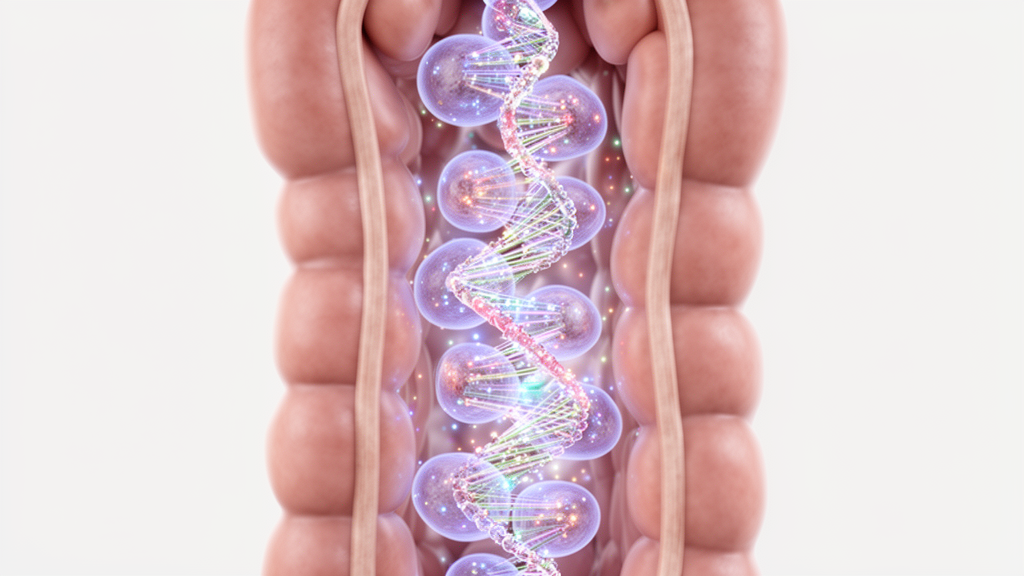
The investigators also identified changes in the DNA of the intestinal stem cells that may help explain their heightened proliferation and survival. Although stem cell behavior returned to normal once the mice were switched to a low-fat diet, certain DNA modifications persisted, with approximately 18 percent of these changes remaining after four weeks.
When the mice were subsequently returned to a high-fat diet, their intestinal stem cells responded more rapidly and vigorously than those of mice encountering the diet for the first time. Furthermore, in mice genetically predisposed to intestinal cancer, repeated exposure to the high-fat regimen induced more and larger tumors than a single period of exposure.
The findings indicate that a high-fat diet can leave durable changes in intestinal stem cells, making them more sensitive to subsequent high-fat exposure and, in tandem with genetic mutations, elevating the likelihood of tumor development. The study also suggests that maintaining a healthy, low-fat diet may help regulate intestinal stem cell growth and reduce colon cancer risk.
The experimental design centered on comparing the biological consequences of a Western-style high-fat diet against a standard low-fat diet over a six-month investigation in mice. Throughout this extended duration, the animals maintained on the high-fat regimen showed marked differences from their low-fat counterparts, displaying greater overall weight gain alongside substantial cellular changes within the gut. Specifically, the researchers observed that the population of intestinal stem cells expanded significantly in the high-fat group. Furthermore, these cells exhibited elevated proliferation rates, dividing and multiplying more rapidly than the stem cells of mice receiving the low-fat diet.
The study also examined how dietary factors interact with underlying genetic susceptibility to disease. In mice genetically predisposed to intestinal cancer, the high-fat dietary exposure directly influenced tumor burden, causing the animals to develop a higher quantity of tumors that also reached larger physical sizes. These effects became even more pronounced when the researchers evaluated the impact of repeated dietary shifts. When mice were subjected to a high-fat re-challenge after a temporary period away from the diet, their intestinal stem cells responded far more rapidly and aggressively than those undergoing initial exposure, resulting in emerging intestinal adenomas and a greater frequency of severe tumor growth compared to a single period of feeding.
At the molecular level, the persistence of these dietary effects was tracked across specific time intervals. Although returning the mice to a low-fat dietary regimen eventually allowed stem cell behavior to normalize, the molecular landscape did not fully reset. The investigators discovered that modifications within the DNA of the stem cells persisted long after the dietary intervention had ceased. Four weeks after the transition to the low-fat diet, approximately 18 percent of these DNA changes remained intact, providing a clear biological mechanism for how intestinal stem cells retain memory of previous nutritional exposure and remain primed to respond to subsequent dietary fat.
These laboratory findings provide important mechanistic insight into the established relationship between nutrition and colorectal malignancy, where obesity is associated with a 30 to 50 percent increase in lifetime risk for a disease that develops in roughly one in 25 people. Because intestinal stem cells normally divide to maintain healthy intestinal tissue, uncontrolled proliferation in these cells represents a critical step in tumor initiation. However, because these causal interactions and DNA changes were measured in controlled mouse models rather than human patients, the findings reflect basic stem cell biology and experimental oncology. The study highlights that maintaining a healthy, low-fat diet may help keep stem cell growth properly regulated and potentially lower cancer risk.
Subject of Research: Impact of a high-fat diet on intestinal stem cell changes and tumor development in mice
Article Title: High-fat diet may increase colon cancer risk by changing intestinal stem cells
Article References: High-fat diet may increase colon cancer risk by changing intestinal stem cells. Original publication (Bibliographic details unavailable.)
Image Credits: AI Generated
DOI: Not provided
Keywords: intestinal stem cells, high-fat diet, colon cancer, Stem Cell Reports, Arizona State University, Miyeko Mana, tumor development, Western-style diet, DNA changes, chromatin states, obesity risk, intestinal adenomas, cancer predisposition, low-fat diet, dietary re-exposure, International Society for Stem Cell Research
News Source: Daisy Hatcher. (November 13, 2026). High-Fat Diet Leaves Lasting DNA Changes in Intestinal Stem Cells. Scienmag.