In the island chain called the Lesser Antilles, stretching from the Virgin Islands south to Trinidad and Tobago, a team of researchers lead by Theodore Schurr, an anthropology professor in the University of Pennsylvania's School of Arts & Sciences, is solving a generations-old mystery: Do indigenous communities still exist in the Caribbean region today?
"We're really trying to connect the dots and understand the migration, the flow of people in and out of the region," said Schurr, who has worked in the area since 2012 and on similar genetics projects for more than two decades. "Each island seems to have its distinct history."
Schurr and his team, which includes Jill Gaieski of Penn's Perelman Center for Advanced Medicine, Miguel Vilar, a Penn postdoc at the time of the research and now at the National Geographic Society, and Jada Benn Torres from Notre Dame University, focused their research on DNA samples from 88 participants in the First Peoples Community in Trinidad and the Garifuna people in St. Vincent.
By looking at mitochondrial DNA, Y-chromosomes and autosomal markers, three parts of the genome known for containing what Schurr described as "signals" of indigenous ancestry, the researchers eventually detected 42 percent indigenous ancestry from the maternal side, 28 percent from the paternal side.
Mitochondrial DNA comes from the mother only, regardless of the number of generations considered. The Y-chromosome is the paternal correlate, or the complement to mitochondrial DNA, passed from fathers to sons. Autosomes, only recently included in this area of research, do not reveal specific details about maternal and paternal lineage but give an overall picture of the genetic contributions from ancestors traced through both the mother's and father's sides of the family.
"In the case of the mitochondrial DNA and the Y-chromosome," Schurr said, "we know the markers that define those lineages commonly seen in indigenous populations of the Americas."
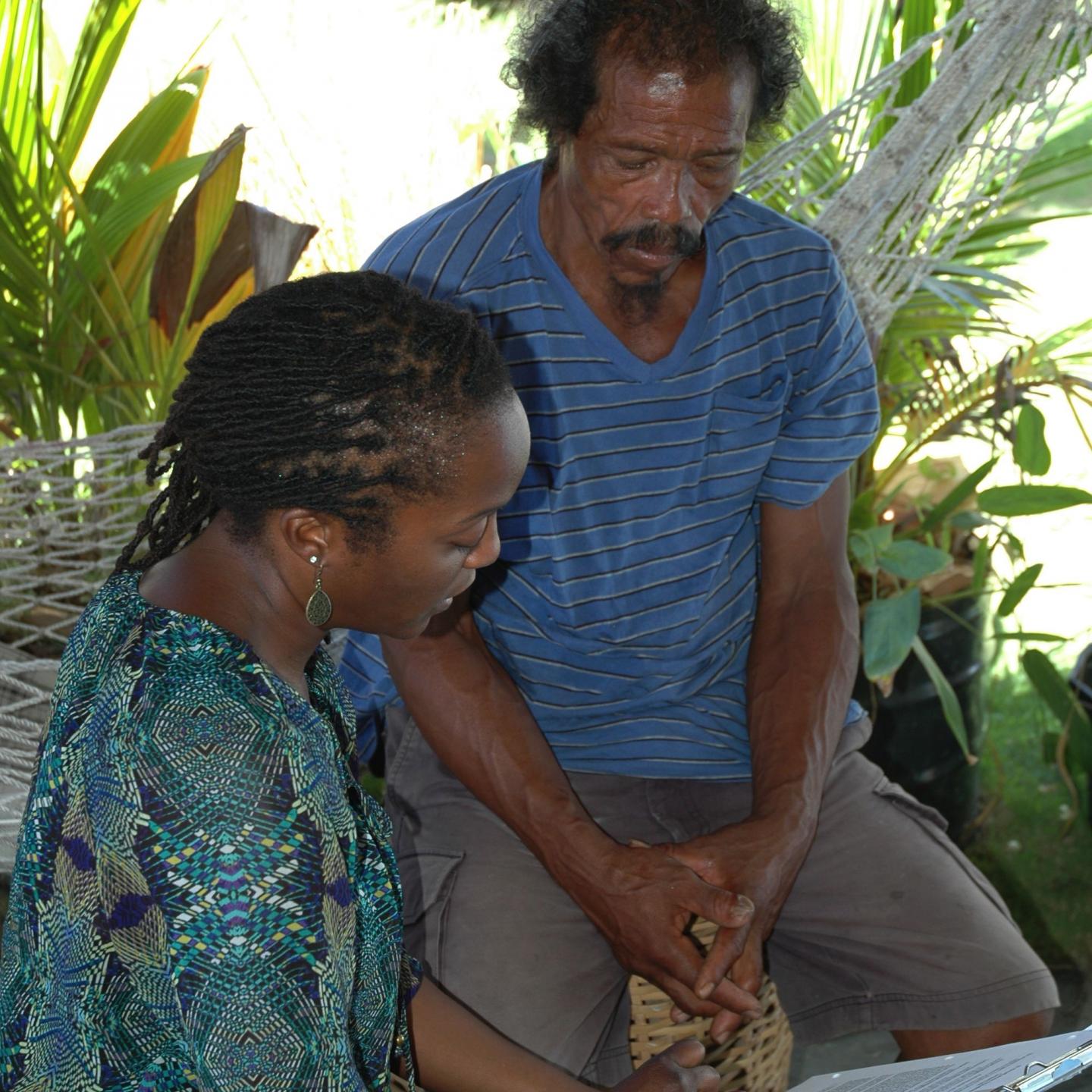
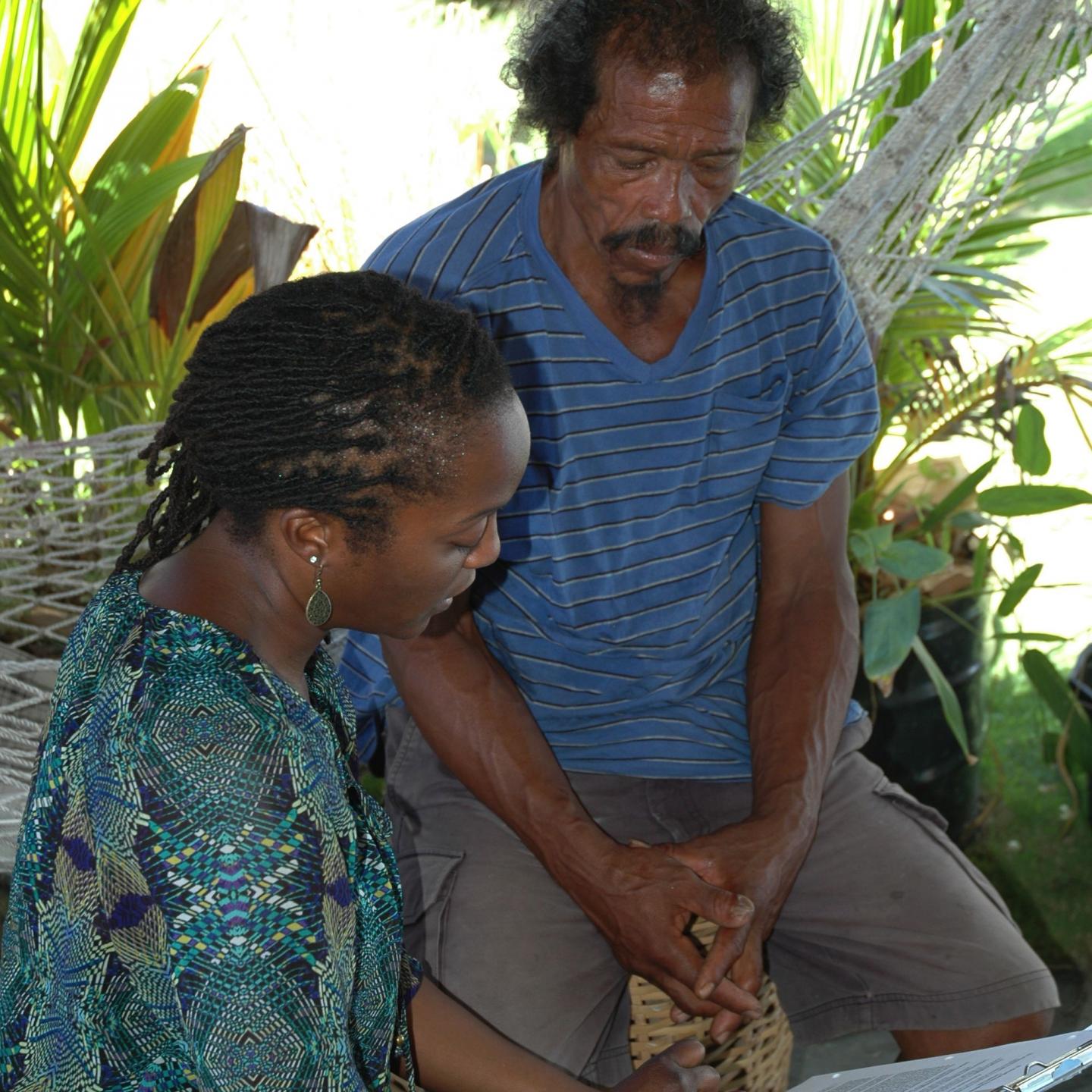
During the past three years, Schurr and his colleagues have done fieldwork in St. Vincent and Trinidad. "These communities are not passive in this whole process; they're actively exploring their own ancestry," said Schurr. "They're also trying to establish the fact that they have indigenous ancestry, that they are the descendants of the original inhabitants. They're reclaiming that history."
The work began as part of the Genographic Project, which was started and initially funded by the National Geographic Society. It is a multi-institutional endeavor with the goal of mapping the globe genetically. A dozen research labs around the world analyzed DNA samples from indigenous and traditional communities, and a public participation component of the project allowed anyone to submit DNA for analysis in the database. Schurr's contribution involved indigenous communities of the Americas.
Expanding into parts of the Caribbean made sense. "It was an opportunity to actually add new information about an area that is relatively well described archaeologically but not so much so genetically," he said.
Schurr has already completed a similar study in Puerto Rico and recently began a larger project in the Dominican Republic.
Immersion in these communities has been eye opening, he said.
"You don't fully appreciate what's happening on the ground until you're there — not only meeting people and getting to know them and their perspectives, their history, but absorbing details about the environment, the climate, how people make a living, the current state of economic development," he added. "You learn about the early colonial history of these islands as well as indigenous perspectives on this history."
###
Research for the Genographic Project has been taking place since 2005. The first phase, funded by the National Geographic Society, IBM and the Waitt Family Foundation, ended in 2012 after completion of significant field research and laboratory analysis around the world. The second phase, supported by the University of Pennsylvania, the Institute for Scholarship and Learning at Notre Dame and the National Geographic Society, has allowed for targeted field research and the expanded use of autosomal markers to help elucidate the genetic history of human populations.
Schurr and his collaborators published their recent work about genetic diversity in the Lesser Antilles in the journal PLOS One.