• HOME
  • NEWS
  • EXPLORE
    • CAREER
      • Companies
      • Jobs
    • EVENTS
    • iGEM
      • News
      • Team
    • PHOTOS
    • VIDEO
    • WIKI
  • BLOG
  • COMMUNITY
    • FACEBOOK
    • INSTAGRAM
    • TWITTER
Thursday, July 2, 2026
BIOENGINEER.ORG
No Result
View All Result
  • Login
  • HOME
  • NEWS
  • EXPLORE
    • CAREER
      • Companies
      • Jobs
        • Lecturer
        • PhD Studentship
        • Postdoc
        • Research Assistant
    • EVENTS
    • iGEM
      • News
      • Team
    • PHOTOS
    • VIDEO
    • WIKI
  • BLOG
  • COMMUNITY
    • FACEBOOK
    • INSTAGRAM
    • TWITTER
  • HOME
  • NEWS
  • EXPLORE
    • CAREER
      • Companies
      • Jobs
        • Lecturer
        • PhD Studentship
        • Postdoc
        • Research Assistant
    • EVENTS
    • iGEM
      • News
      • Team
    • PHOTOS
    • VIDEO
    • WIKI
  • BLOG
  • COMMUNITY
    • FACEBOOK
    • INSTAGRAM
    • TWITTER
No Result
View All Result
Bioengineer.org
No Result
View All Result
Home Headlines

New medication significantly decreases involuntary movement

Bioengineer.org by Bioengineer.org
January 20, 2018
in Headlines, Health, Science News
Reading Time: 1 min read
0
Share on FacebookShare on TwitterShare on LinkedinShare on RedditShare on Telegram
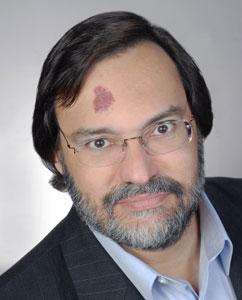
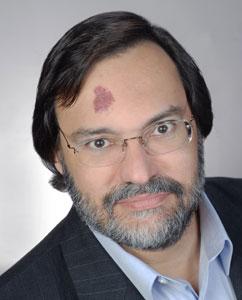
IMAGE

Credit: University of South Florida

Tampa, FL (April 7, 2017) Antipsychotic treatment can cause involuntary movements such as lip smacking, tongue protrusions and excessive eye blinking. These movements typically occur after more than 3 months of treatment and are called tardive dyskinesia.

Robert A. Hauser, MD, MBA, professor of neurology at the University of South Florida in Tampa, is the lead author of a study published in the American Journal of Psychiatry that concludes valbenazine administered once daily can significantly reduce tardive dyskinesia in patients with schizophrenia, schizoaffective disorder and mood disorder.

"One approach to managing tardive dyskinesia is to discontinue antipsychotic treatment or reduce the dosage, but these options are not always feasible, because withdrawal can exacerbate tardive dyskinesia symptoms or have a negative impact on psychiatric status. Moreover, tardive dyskinesia symptoms often persist even after discontinuation or dosage reduction," wrote Dr. Hauser, who directs the Parkinson's Disease and Movement Disorders Center at USF.

Valbenazine is a selective vesicular monoamine transporter 2 inhibitor. Two hundred twenty-five people with schizophrenia, schizoaffective disorder or a mood disorder participated in the phase 3 randomized double blind, placebo-controlled trial.

Forty-percent of those who received valbenazine 80mg/day improved by at least 50 percent. That's compared to just 8 percent in the placebo group.

Researchers also determined that valbenazine was well tolerated. Drowsiness, restlessness and dry mouth were reported as adverse effects.

###

Media Contact

Tina Meketa
[email protected]
813-955-2593

http://www.hsc.usf.edu

Share12Tweet8Share2ShareShareShare2

Related Posts

Chromatin Loops Shield Forks from Replication Stress — Medicine

Chromatin Loops Shield Forks from Replication Stress

July 2, 2026

Linking Single-Cell Transcriptomes to Mouse Visual Circuits

July 2, 2026

Graz University of Technology Deciphers the Structural Secrets of MOF Thin Films

July 2, 2026

Apelin-APLNR Pathway: Endothelial Roles in Health

July 2, 2026
Please login to join discussion

POPULAR NEWS

  • Detection of EDCs in Breast Milk and Infant Urine Up to Six Months Highlights Early Exposure Risks

    77 shares
    Share 31 Tweet 19
  • Saying Goodbye to PGY-6: Pediatric Fellowship Realities

    103 shares
    Share 41 Tweet 26
  • New Drug Candidate Developed at McMaster Shows Potential for Treating Brain Cancer

    58 shares
    Share 23 Tweet 15
  • KTU Researchers Explore Ultrasound’s Role in Enhancing Blood Flow Beyond Diagnostics

    53 shares
    Share 21 Tweet 13

About

We bring you the latest biotechnology news from best research centers and universities around the world. Check our website.

Follow us

Recent News

Chromatin Loops Shield Forks from Replication Stress

Linking Single-Cell Transcriptomes to Mouse Visual Circuits

Graz University of Technology Deciphers the Structural Secrets of MOF Thin Films

Subscribe to Blog via Email

Enter your email address to subscribe to this blog and receive notifications of new posts by email.

Join 82 other subscribers
  • Contact Us

Bioengineer.org © Copyright 2023 All Rights Reserved.

Welcome Back!

Login to your account below

Forgotten Password?

Retrieve your password

Please enter your username or email address to reset your password.

Log In
No Result
View All Result
  • Homepages
    • Home Page 1
    • Home Page 2
  • News
  • National
  • Business
  • Health
  • Lifestyle
  • Science

Bioengineer.org © Copyright 2023 All Rights Reserved.