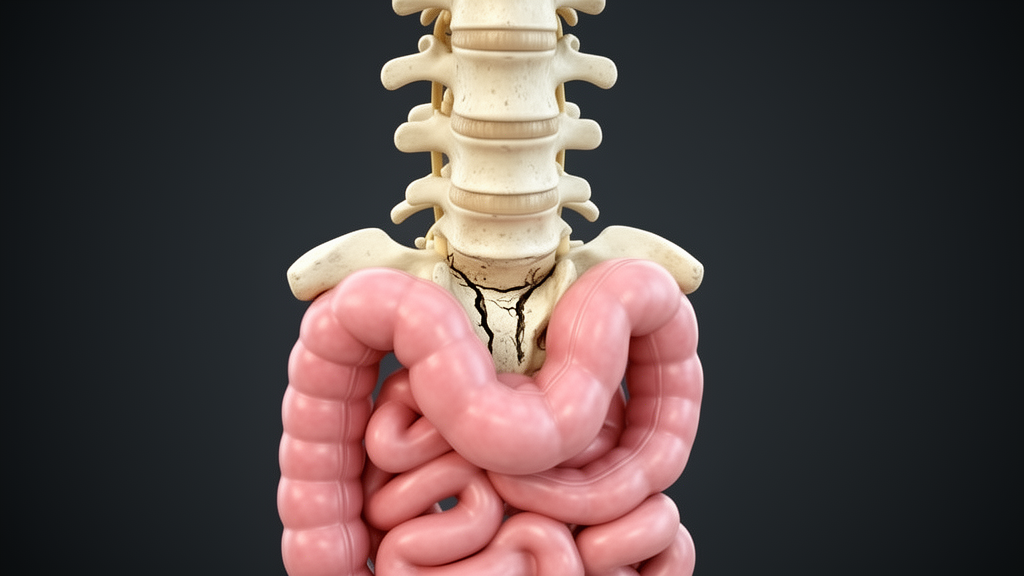
A retrospective analysis published in BMC Surgery examined lumbar fractures complicated by small bowel incarceration. The study, led by researchers from the Third Hospital of Hebei Medical University, combines a new case report with a comprehensive review of previously documented instances to clarify the clinical characteristics and outcomes of this condition. The primary objective was to summarize the specific features of lumbar fractures complicated by bowel incarceration, providing a reference for early clinical diagnosis and treatment in similar cases.
The research team conducted a retrospective analysis of a patient admitted to the Third Hospital of Hebei Medical University who presented with a lumbar fracture complicated by small bowel incarceration. To expand the scope of the investigation, the authors performed a supplementary literature search across the PubMed, CNKI, and Wanfang databases. This systematic search identified previously reported cases that were subsequently combined with the hospital’s solitary case to form a larger cohort for analysis.
The investigation identified a total of 20 cases of lumbar fractures complicated by bowel incarceration from the literature, which were analyzed alongside the single case from the hospital, resulting in a cohort of 21 patients. The demographic profile of this group was notably broad, with patient ages ranging from as young as 3 weeks to as old as 67 years.
In 20 of the 21 cases, accounting for 95.24% of the cohort, the major cause of injury was high-energy trauma. Fractures occurred at or above the L3 vertebral body in 13 cases, accounting for 61.91% of cases.
Clinically, all 21 patients presented with varying degrees of intestinal obstruction symptoms. Vomiting was the most frequently reported symptom, occurring in 11 patients, which constituted 52.38% of the cohort. Abdominal distension and abdominal pain were the next most common presentations, each affecting 9 patients, or 42.86% of the group. Systemic signs, such as fever and chills, occurred in 2 patients, representing 9.52% of the cases.
Twelve patients, representing 57.15% of the group, achieved a favorable recovery without residual clinical symptoms. However, 7 patients, or 33.33%, experienced residual neurological impairment of varied severity. In the most severe cases, 1 patient, accounting for 4.76% of the cohort, remained in a vegetative state, while another patient, also 4.76%, died of septic shock.
The study concludes that for patients with lumbar hyperextension injury accompanied by blunt abdominal trauma, persistent intestinal obstruction that does not respond to conservative treatment should raise suspicion of small bowel incarceration. The authors recommend early surgical exploration as a critical intervention in such cases.
Subject of Research: Clinical characteristics and outcomes of lumbar fractures complicated by small bowel incarceration
Article Title: Small bowel incarceration associated with lumbar fracture: a case report and literature review
Article References: Zhang, J., Chen, Z., Wang, X., Zhao, K., & Di, L. (2026). Small bowel incarceration associated with lumbar fracture: a case report and literature review. BMC Surgery. https://doi.org/10.1186/s12893-026-04226-y
Image Credits: AI Generated
DOI: 10.1186/s12893-026-04226-y
Keywords: lumbar fracture, small bowel incarceration, case report, literature review, BMC Surgery, trauma, intestinal obstruction, surgical exploration, retrospective analysis, Small, bowel, incarceration
News Source: Ophelia Keating. (November 10, 2026). Lumbar Fractures Can Trap Small Bowel, Study Finds. Scienmag.