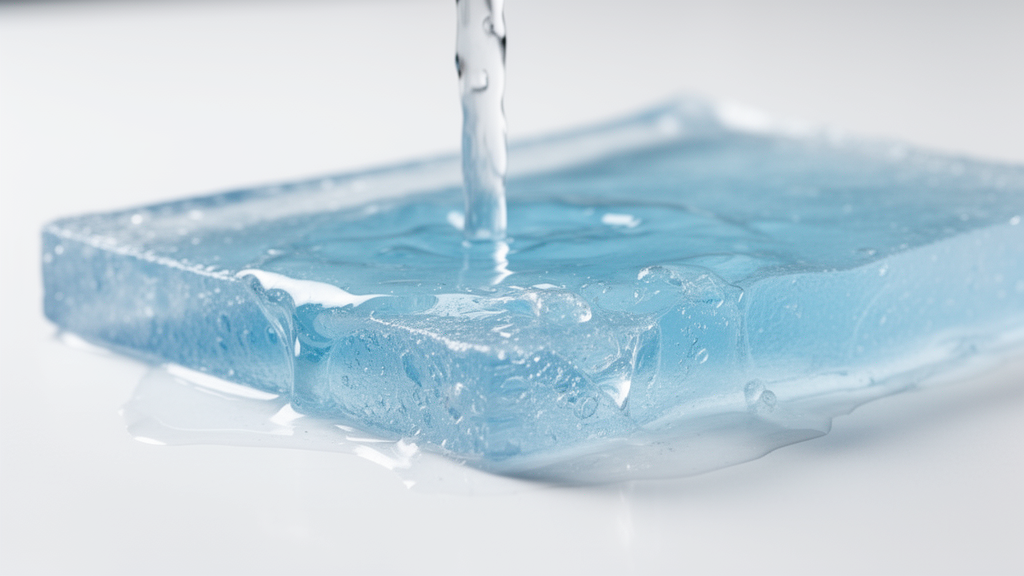
University of Queensland biomaterials engineers have developed a new ‘superstructure’ hydrogel derived from a biodegradable polymer, creating a material that is simultaneously tougher than its brittle precursor and capable of exceptional water absorption. This experimental study, published in Macromolecular Rapid Communications, demonstrates a method for transforming a characteristically brittle bio-derived polymer into a functional gel-like material with potential applications in surgical settings, slow-release drug delivery, and hygiene products. The work addresses a significant limitation in the commercial viability of naturally derived plastics, which often lack the mechanical robustness required for industrial-scale use despite their sustainable origins.
The research was led by Cole Walchle, a PhD student in the School of Chemical Engineering at the University of Queensland, who discovered the material while experimenting with an existing bioplastic. Walchle identified the resulting gel, designated P3HB-HEAA, as a strong candidate for use in tissue engineering, wound recovery, and as a specialty coating or lubricant. The primary motivation for the study was to overcome the brittleness of poly(3-hydroxybutyrate), or PHB, a bio-derived polymer that, while promising, is too fragile to be commercially viable on its own. By modifying this material, the team aimed to create a sustainable product that functions effectively in practical applications.
The experimental design involved using gamma radiation to graft a specific polymer onto the PHB backbone. Walchle employed grafting techniques to alter the physical nature of the brittle PHB material, specifically incorporating N-Hydroxyethyl acrylamide, a polymer widely used in the preparation of hydrogels. This chemical modification process resulted in a new material with an expanded potential field of use, retaining the sustainable origins of the original bioplastic while enhancing its physical properties. The method represents a tweak to existing bioplastics to create new, sustainable products that are currently functional for industrial and medical needs.
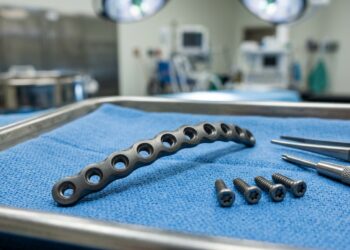
The main result of the study is the creation of a material that is simultaneously tougher than the initial brittle polymer and particularly good at absorbing water. Walchle noted that the hydrogel is derived from a bio-derived and biodegradable polymer, which is a crucial feature for its potential use in medical technologies and as a recovery aid for surgical procedures. This dual characteristic of enhanced toughness and high water absorption makes the material a strong candidate for various commercial applications, including its use as a specialty coating or lubricant in different settings.
The study highlights the potential for naturally derived plastics to be useful at an industrial scale, although many such materials have not yet reached that stage of development. Walchle emphasized that there is huge potential for these materials, but the current state of technology often falls short of commercial viability. The work demonstrates that there is scope to tweak these materials to create new, sustainable products that work for current needs. This approach offers a pathway for the broader application of bioplastics in fields where mechanical strength and water management are critical, such as in the development of new medical technologies and hygiene products.
Despite the promising results, the researchers acknowledge that further investigation is needed to fully understand the behavior of this material, particularly its ability to biodegrade. Walchle stated that if the biodegradability is carried over from the original material, it would further confirm the method as a viable approach to generate new hydrogel-like superstructures.
The research was published in the journal Macromolecular Rapid Communications, with the article titled ‘Gamma Irradiation-Based Free Radical Grafting of N-Hydroxyethyl Acrylamide onto Poly[(R)-3-hydroxybutyrate]’. The study is classified as an experimental investigation, and the authors declare no conflicts of interest. The publication date of the article is 8-Oct-2026, and the news release was issued on 9-Nov-2026.
The material’s ability to serve as a recovery aid for surgical procedures and its application in slow-release drug delivery highlight its versatility. By leveraging the sustainable origins of bioplastics and enhancing their physical properties through gamma radiation grafting, the University of Queensland team has created a material with a greatly expanded potential field of use.
Subject of Research: Development of a gamma-irradiated bioplastic hydrogel with enhanced toughness and water absorption
Article Title: Researchers transforming bioplastics into ‘superstructure’ medical hydrogels
Article References: Researchers transforming bioplastics into ‘superstructure’ medical hydrogels. Original publication (Bibliographic details unavailable.)
Image Credits: AI Generated
DOI: Not provided
Keywords: biomaterials, hydrogel, bioplastic, polymer, gamma radiation, medical technology, drug delivery, sustainability, University of Queensland, tissue engineering, Researchers, transforming
News Source: Bethany Barker. (November 10, 2026). UQ engineers create tougher, water-absorbing bioplastic hydrogel. Scienmag.