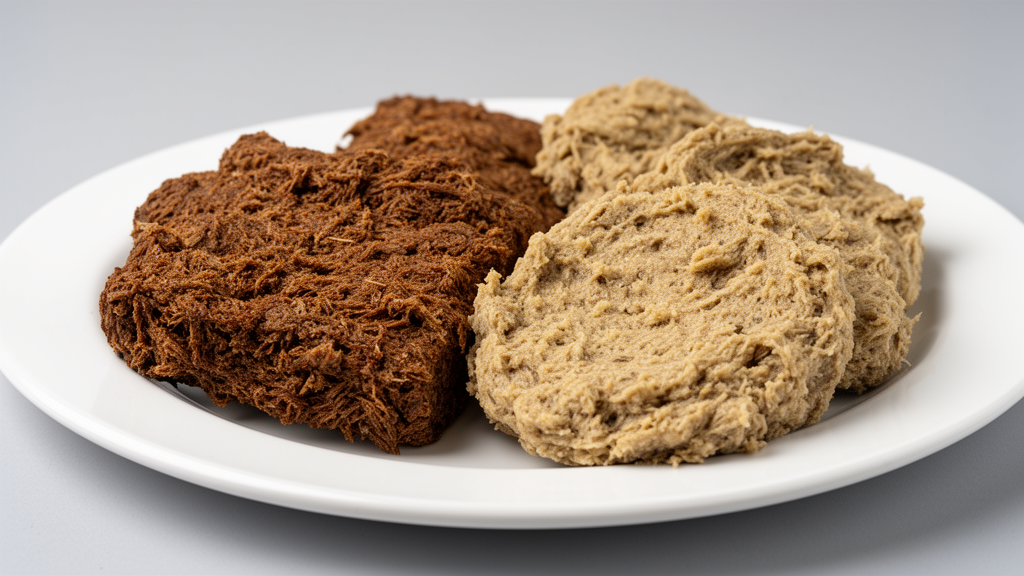
Traditionally fermented enset foods from central Ethiopia carry unsatisfactory levels of hygiene indicator bacteria and foodborne pathogens, some of them resistant to antimicrobials, according to a cross-sectional study of household-processed kocho and bulla published in Discover Food. Researchers collected 108 samples of the two fermented products from selected households, analyzed them with standard microbiological methods, and surveyed household processing practices using structured questionnaires. The work, led by Alima Halil, Getenet Ayele and Alemayehu Dugassa, was published open access on 2 November 2026 as an early peer-reviewed version carrying a permanent DOI.
Enset (Ensete ventricosum) is a major staple crop in central Ethiopia, and its processed products kocho and bulla are widely consumed. Yet the authors note that limited information has been available on the microbial quality of these foods, the foodborne pathogens they may contain, and the antimicrobial resistance patterns of any pathogens isolated from them. The new study was designed to fill that gap by assessing microbial quality, food safety, and resistance profiles side by side for the two products.
The microbiological counts differed consistently between the two staples. Kocho carried higher total coliform and Enterobacteriaceae loads, at 5.3 ± 0.6 log CFU per gram, than bulla, which registered 4.7 to 4.8 log CFU per gram. Bulla, in turn, had higher yeast and mold counts, 5.6 ± 0.4 log CFU per gram, compared with 4.9 ± 0.8 log CFU per gram for kocho. The researchers compared the loads between kocho and bulla using appropriate statistical tests, with statistical significance evaluated at p < 0.05.
The coliform levels recorded in the study exceeded the applicable microbiological quality criterion the authors used as their benchmark, a result they interpret as indicating unsatisfactory hygienic quality of the fermented products. Coliforms and Enterobacteriaceae serve as indicator organisms in food microbiology, so elevated counts of these groups point to hygiene failures during processing, fermentation, or storage rather than to a specific disease threat on their own. Because kocho and bulla are produced in household settings, the questionnaire component of the study was used to assess the processing practices that could shape these microbial loads.
Beyond the indicator organisms, the team detected two recognized foodborne pathogens in both products. Staphylococcus aureus was more prevalent in kocho, at 44.4%, than in bulla, at 35.1%. Salmonella spp. was also found in both, with a prevalence of 7.4% in kocho and 5.5% in bulla. Salmonella is a leading bacterial cause of foodborne illness worldwide, and its presence in ready-to-eat fermented staples is a food-safety concern even at low prevalence, while Staphylococcus aureus can produce heat-stable toxins that survive processing.
Antimicrobial resistance testing added a further layer of concern. Among the isolates recovered, resistance was detected in 4 of 43 Staphylococcus aureus isolates, or 9.3%, and in 3 of 7 Salmonella isolates, or 42.8%. The small number of Salmonella isolates means the resistance percentage for that organism rests on a limited sample, but the finding that resistant isolates were present at all in household-fermented staples underscores the authors’ argument that these traditional foods can act as a reservoir where foodborne pathogens and resistance traits meet.
Taken together, the authors conclude that the findings demonstrate inadequate microbiological quality and the presence of foodborne pathogens, including antimicrobial-resistant isolates, in traditionally fermented enset products. The study is cross-sectional, so it captures a snapshot of contamination at the time of sampling rather than tracking changes over time, and its findings are specific to the households and products sampled in central Ethiopia. The early-release version of the article is citable and subject to further edits before the final Version of Record replaces it.
To reduce the potential food-safety risks associated with these traditional foods, the researchers recommend improved hygiene during processing and fermentation, the use of safe water and clean processing materials, appropriate storage practices, personal hygiene, and food-safety training for household processors. They also call for continued microbiological and antimicrobial-resistance surveillance of kocho and bulla, arguing that monitoring is warranted to keep pace with contamination patterns in a staple that feeds a large population across central Ethiopia.
For consumers and public-health planners, the study’s message is that fermentation alone does not guarantee microbiological safety when the surrounding handling environment is unhygienic. The measured coliform exceedances, the detection of S. aureus and Salmonella in both products, and the resistant isolates recovered from them together sketch a picture of traditional food systems in which quality control currently depends on household practice. The authors frame their recommendations and the proposed surveillance as practical steps to lower potential risks while preserving foods that remain central to the diet of the region.
Subject of Research: Microbial quality, foodborne pathogens, and antimicrobial resistance in traditionally fermented enset products from central Ethiopia
Article Title: Microbial quality, safety, and antimicrobial resistance in traditional fermented enset products from Central Ethiopia
Article References: Halil, A., Ayele, G., & Dugassa, A. (2026). Microbial quality, safety, and antimicrobial resistance in traditional fermented enset products from Central Ethiopia. Discover Food. https://doi.org/10.1007/s44187-026-01337-6
Image Credits: AI Generated
DOI: 10.1007/s44187-026-01337-6
Keywords: kocho, bulla, enset, Ethiopia, food safety, coliforms, Staphylococcus aureus, Salmonella, antimicrobial resistance, fermented foods, microbiological quality, household processing
News Source: Alan Morgan. (November 9, 2026). Antimicrobial-Resistant Bacteria Found in Ethiopia’s Fermented Enset Staples. Scienmag.