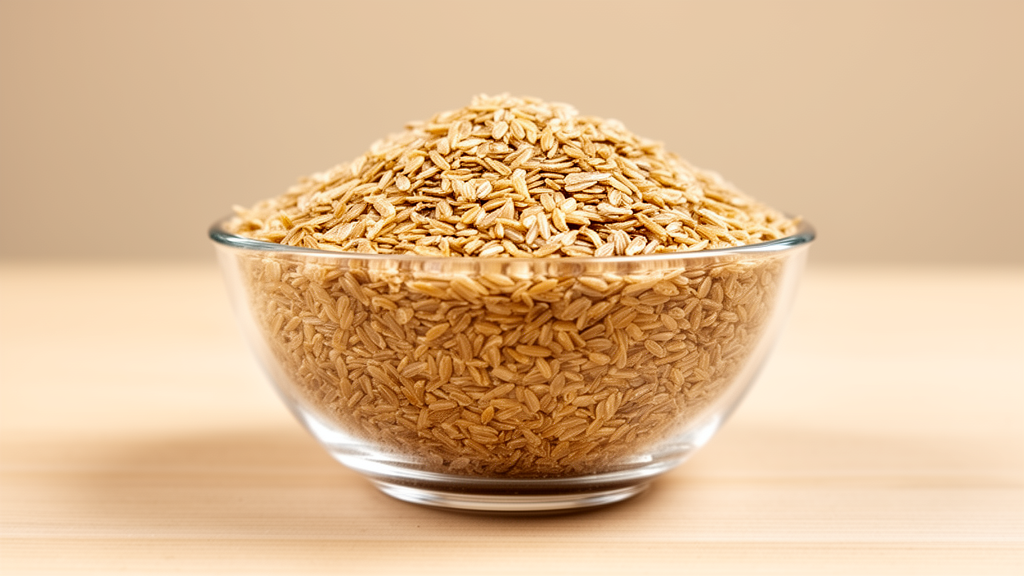
A comprehensive systematic review and dose-response meta-analysis of randomized controlled trials indicates that psyllium supplementation significantly reduces low-density lipoprotein cholesterol and total cholesterol levels in adults. Published in the journal Genes & Nutrition, the study synthesized data from 41 randomized controlled trials involving a total of 2,049 participants. The research team, led by Zeinab Gholami and Zamzam Paknahad, evaluated the impact of psyllium consumption on key lipid profile markers, including low-density lipoprotein cholesterol, triglycerides, high-density lipoprotein cholesterol, and total cholesterol. The findings suggest that while psyllium has a measurable effect on certain lipid fractions, its influence on others remains statistically insignificant, highlighting a nuanced picture of its metabolic benefits.
The study was registered in the PROSPERO system and followed the Preferred Reporting Items for Systematic Reviews and Meta-Analyses guidelines to ensure methodological rigor. The researchers conducted a comprehensive search across Scopus, the Institute for Scientific Information Web of Science, and PubMed databases, identifying eligible publications from March 15, 2022, to August 2, 2025. The search was restricted to English-language articles involving human subjects, specifically adults over the age of 18. This broad search strategy yielded an initial pool of records that were screened for relevance, resulting in the inclusion of 41 randomized controlled trials that met the specific eligibility criteria for the meta-analysis.
The included studies were published between 1988 and 2022 and featured intervention durations ranging from 14 to 182 days. The participants were drawn from various geographical locations, including Iran, Malaysia, Italy, Spain, the United States, Pakistan, Mexico, the United Kingdom, Australia, Germany, Canada, Palestine, and Poland. The average age of participants across these trials ranged from 24 to 66.2 years, with the majority of studies including both men and women. The dosage of psyllium varied significantly among the included trials, ranging from 0.002 to 25 grams per day, which allowed the researchers to examine potential dose-response relationships in their subsequent analyses.
To assess the impact of psyllium on lipid profiles, the researchers calculated weighted mean differences with 95% confidence intervals using a random-effects model. This statistical approach was chosen to account for the considerable heterogeneity observed among the included studies. The primary outcomes measured were changes in low-density lipoprotein cholesterol, total cholesterol, triglycerides, and high-density lipoprotein cholesterol compared to control groups. The control groups included both placebo-controlled and active comparator trials, providing a comprehensive view of psyllium’s effects relative to different baseline conditions.
The meta-analysis revealed that psyllium supplementation resulted in a statistically significant decrease in low-density lipoprotein cholesterol, with a weighted mean difference of -8.55 and a 95% confidence interval ranging from -12.92 to -4.19. The p-value for this reduction was less than 0.001, indicating a strong statistical significance. Similarly, total cholesterol levels showed a significant decrease, with a weighted mean difference of -9.05 and a 95% confidence interval from -13.71 to -4.40, with a p-value less than 0.05.
In contrast, the effects of psyllium on triglycerides and high-density lipoprotein cholesterol were not statistically significant. The weighted mean difference for triglycerides was -5.29, with a 95% confidence interval from -12.14 to 1.54, and a p-value greater than 0.05. For high-density lipoprotein cholesterol, the weighted mean difference was 0.57, with a 95% confidence interval from -0.88 to 2.04, also with a p-value greater than 0.05. These results indicate that while psyllium may influence the “bad” cholesterol fractions, it does not consistently alter triglyceride levels or the “good” cholesterol fraction in the adult population studied.
Subgroup analyses and meta-regression were conducted to explore potential sources of heterogeneity and to examine dose-response relationships. The analysis revealed that the significance of cholesterol and low-density lipoprotein cholesterol reduction varied with dosage and duration. Notable effects were observed for intervention periods both shorter and longer than 50 days, and for dosages greater than 10 grams per day. For triglycerides, a significant reduction was observed with psyllium consumption at dosages below 10 grams per day and for durations shorter than 50 days. However, high-density lipoprotein cholesterol levels did not show a significant dependence on either dosage or duration of psyllium husk treatment.
The researchers also assessed publication bias using Egger’s test and Begg’s test. Egger’s test indicated no publication bias for high-density lipoprotein cholesterol, triglycerides, or total cholesterol, but a publication bias was observed for low-density lipoprotein cholesterol. Begg’s test showed no publication bias for any of the lipid profiles. Trim-and-fill analyses suggested that psyllium had a stronger effect on lowering lipid profiles when potential missing studies were accounted for. These analyses provide additional context for interpreting the pooled estimates and suggest that the observed effects might be slightly underestimated in the primary analysis.
The study acknowledged several limitations, including the high level of heterogeneity observed across the included studies, with I-squared values exceeding 75% for all lipid markers. This heterogeneity may be attributed to differences in psyllium dosage, intervention duration, and study quality. The researchers noted that short-term interventions might not be sufficient to produce meaningful changes in lipid profiles, and that variation in randomization methods and blinding could also contribute to the variability. Additionally, the restriction to English-language articles and the limited number of databases searched may introduce a risk of selection bias.
The authors emphasized the need for future trials with standardized dosages, longer durations, and better control of confounding variables such as diet and physical activity. They suggested that future research should aim to identify the sources of heterogeneity and provide more optimized analyses through rigorous study designs. The study also highlighted the importance of examining dietary intakes in future studies, as several included articles did not account for this factor, which can significantly affect lipid profiles.
The findings of this meta-analysis contribute to the growing body of evidence on the health benefits of dietary fiber, specifically psyllium. The study underscores the complexity of lipid metabolism and the need for tailored approaches to nutritional interventions.
The publication of this systematic review and meta-analysis in Genes & Nutrition provides a timely update on the efficacy of psyllium supplementation in adults. The comprehensive nature of the study, including a large number of participants and a wide range of intervention durations, enhances the reliability of the findings. The detailed statistical analyses, including subgroup and meta-regression models, offer valuable insights into the factors that may influence the effectiveness of psyllium.
Psyllium, derived from the seed husk of Plantago ovata, is a highly soluble dietary fiber with gel-forming properties. The seed coat contains a mixture of polysaccharides, including hexose sugars, pentose sugars, and uronic acids, which become viscous when mixed with water. This fiber is native to regions such as Iran, India, and other parts of the Middle East. In the context of lipid management, dietary fibers can serve as supplements with potential lipid-lowering effects. A higher intake of dietary fiber is generally associated with reduced total and low-density lipoprotein cholesterol levels, contributing to a more favorable lipid profile. Evidence suggests that both dietary soluble fiber and purified viscous soluble fiber intake are linked to lower serum cholesterol levels, distinguishing psyllium from other fiber sources in its specific metabolic interactions.
The physiological mechanisms behind these lipid-lowering effects involve several metabolic pathways. Viscous fiber is thought to bind bile acids, thereby enhancing their fecal excretion. This process promotes intestinal fermentation, leading to increased production of short-chain fatty acids and modifications in cholesterol metabolism. Additionally, reduced postprandial insulin secretion may contribute to lower fatty acid synthesis and decreased circulating triglycerides. Dietary fiber can also lower serum and liver lipids by increasing viscosity, delaying food transit in the small intestine, and inhibiting lipid and glucose absorption. The primary mechanism of action for soluble fiber appears to relate to increased fecal bile acid excretion and a heightened rate of chenodeoxycholate production, which collectively influence the body’s handling of cholesterol and other lipids.
While the meta-analysis focused on lipid profiles, the included studies also reported various adverse events associated with psyllium husk consumption. The main side effects documented in the literature include abdominal cramps, respiratory tract infections, heartburn, constipation, gas, bloating, frequent nighttime urination, diarrhea, increased flatulence, fullness, more frequent defecation, mild gastrointestinal complications, and stomach pains. These observations provide a broader context for the safety profile of psyllium supplementation in adult populations.
The study’s methodology included a rigorous quality assessment using the Cochrane Collaboration’s risk of bias assessment tool, specifically the RoB 2.0 tool. Two researchers evaluated seven criteria for each study, including the randomization process, deviations from intended intervention, measurement of the outcome, missing outcome data, selection of the reported result, and overall risk of bias. The overall risk of bias judgment was determined based on these domains, with classifications ranging from low risk to high risk. This assessment helps clarify that the observed heterogeneity in the results is partly attributable to differences in study quality and methodological rigor, not just dosage variation. By separating placebo-controlled trials from active comparator trials in subgroup analyses, the researchers aimed to isolate the specific effects of psyllium from other potential influences, providing a more nuanced understanding of its impact on lipid profiles in adults.
Subject of Research: Systematic review and meta-analysis of psyllium supplementation effects on lipid profiles in adults
Article Title: Psyllium supplementation and lipid profiles: systematic review and dose-response meta-analysis of randomized controlled trials
Article References: Gholami, Z., & Paknahad, Z. (2025). Psyllium supplementation and lipid profiles: systematic review and dose-response meta-analysis of randomized controlled trials. Genes & Nutrition, 20(1), Article 27. https://doi.org/10.1186/s12263-025-00786-5
Image Credits: AI Generated
DOI: 10.1186/s12263-025-00786-5
Keywords: psyllium, lipid profile, LDL cholesterol, total cholesterol, meta-analysis, randomized controlled trials, dietary fiber, cardiovascular health, triglycerides, HDL cholesterol, supplementation, lipid
News Source: Drew Townsend. (November 9, 2026). Psyllium lowers LDL and total cholesterol in meta-analysis. Scienmag.