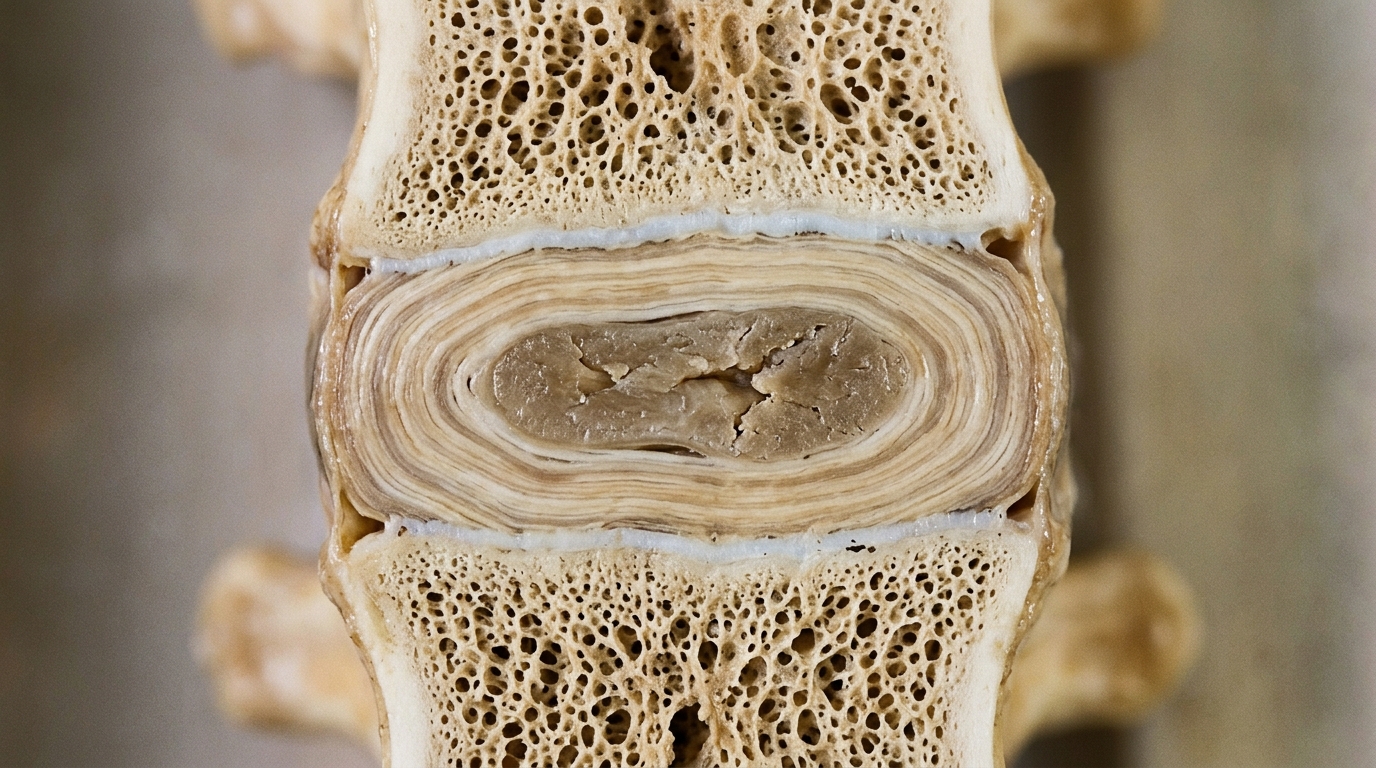
Researchers from Changhai Hospital in Shanghai, China, have identified three specific genes that appear to play a central role in the progression of intervertebral disc degeneration, or IDD. The study, published in Frontiers in Cell and Developmental Biology, suggests that CD36, SESN3, and HMOX1 serve as potential biomarkers for the condition. These findings emerge from a comprehensive bioinformatics analysis that integrated transcriptomic data from multiple independent cohorts, aiming to clarify the complex relationship between oxidative stress and the immune microenvironment within the degenerating disc.
While oxidative stress and immune dysregulation are well-recognized contributors to this pathology, the specific core genes linking these processes have remained poorly defined. The research team addressed this gap by analyzing data from three distinct IDD cohorts, designated as GSE167199, GSE176205, and GSE186542. By integrating these datasets, the authors sought to identify molecular subtypes of IDD and evaluate the extent of immune cell infiltration in affected tissues.
The study employed a multi-layered analytical approach to dissect the molecular landscape of IDD. The researchers performed differential expression analysis to identify genes with altered activity in degenerated discs. They further utilized Weighted Gene Co-expression Network Analysis, or WGCNA, to map relationships between gene clusters. Consensus clustering was applied to define distinct molecular subtypes of the disease, while the CIBERSORT algorithm was used to estimate the abundance of various immune cell types within the tissue samples. This combination of methods allowed for a detailed characterization of both the genetic and immunological features of the condition.
The analysis revealed two novel subtypes of IDD, each characterized by distinct oxidative stress signatures. Among the various genes examined, CD36, SESN3, and HMOX1 emerged as key regulators. The expression levels of these three genes were found to correlate significantly with the degree of immune infiltration in the degenerated discs. Specifically, the study highlighted associations with resting mast cells, naïve CD4+ T cells, and macrophages.
Further functional analysis provided insights into the biological pathways involved. Gene Set Enrichment Analysis, or GSEA, linked the identified genes to critical cellular processes, including the cell cycle, metabolism, and cytokine signaling pathways. The researchers also constructed competing endogenous RNA, or ceRNA, networks and transcription factor-mRNA interaction models. These networks revealed a complex regulatory environment involving long non-coding RNAs, microRNAs, and transcription factors.
To validate the bioinformatics findings, the study included experimental confirmation using human and animal samples. The researchers performed quantitative PCR and immunohistochemistry on human disc samples to verify the expression of the candidate genes. Additionally, immunofluorescence was used in a rat puncture model of disc degeneration. These validation steps confirmed that CD36, SESN3, and HMOX1 are indeed upregulated in degenerated discs in both human and rat models. This cross-species validation strengthens the evidence for the potential diagnostic and therapeutic relevance of these biomarkers.
The study concludes that CD36, SESN3, and HMOX1 are promising oxidative stress-associated biomarkers in intervertebral disc degeneration. The strong relationship observed between these genes and the remodeling of the immune microenvironment provides a new perspective on the pathophysiology of IDD. By elucidating the connection between oxidative processes and immune responses, the research contributes to a deeper understanding of the disease mechanism. These insights may help in the development of future therapeutic strategies that target both antioxidant and immunomodulatory pathways.
The study highlights the importance of considering the immune microenvironment in the context of oxidative stress. As research in this field continues, these findings may guide the design of more targeted treatments for patients suffering from low back pain associated with disc degeneration.
Subject of Research: Identification of oxidative stress-associated biomarkers in intervertebral disc degeneration
Article Title: Comprehensive profiling of immune landscape changes and oxidative stress-associated biomarkers in intervertebral disc degeneration
Article References: Huang, J., Gong, F., Li, J., Lu, S., Li, X., Zhao, J., Bai, Y., & Gu, X. (2026). Comprehensive profiling of immune landscape changes and oxidative stress-associated biomarkers in intervertebral disc degeneration. Frontiers in Cell and Developmental Biology, 14, Article 1979394. https://doi.org/10.3389/fcell.2026.1979394
Image Credits: AI Generated
DOI: 10.3389/fcell.2026.1979394
Keywords: Intervertebral Disc Degeneration, Oxidative Stress, Immune Infiltration, Biomarkers, CD36, SESN3, HMOX1, Bioinformatics, Low Back Pain, Gene Expression, Comprehensive, profiling
News Source: Juliet Wilcox. (November 7, 2026). Study Links Oxidative Stress Genes to Disc Degeneration. Scienmag.