A narrative review published in Acta Epileptologica on March 2, 2026, synthesizes the current state of wearable digital health technologies in epilepsy management. The study, led by Xinyi Zhao and Tiancheng Wang, examines how these devices utilize artificial intelligence to monitor physiological states in real time. The review aims to provide insights into effective monitoring and prevention strategies for patients with epilepsy, a condition characterized by recurrent and unpredictable seizures. By analyzing 86 key publications, the authors explore the applications, challenges, and future directions of these technologies in clinical care.
Epilepsy affects approximately 50 million people worldwide and is one of the most common neurological disorders. Around 30% of epilepsy cases are resistant to treatment with antiseizure medications, leading to continued suffering and morbidity. The paroxysmal nature of seizures poses unique challenges for monitoring, as the gold standard for diagnosis, video electroencephalogram monitoring, is limited to clinical settings. This limitation makes long-term monitoring in daily life difficult, creating a gap that wearable digital health technologies are designed to address.
The review categorizes monitoring mechanisms based on the physiological signals they capture. These include movement and muscle activity detectors, such as accelerometers and surface electromyography, which measure body acceleration and muscle electrical activity. Autonomic nervous system change detectors monitor alterations in heart rate, blood pressure, skin conductance, and respiration. Direct brain activity monitors use electroencephalography to capture cerebral electrical activity, while other mechanisms include audio detection and near-infrared spectroscopy. These mechanisms can be deployed individually or combined into multimodal devices to enhance sensitivity and specificity.
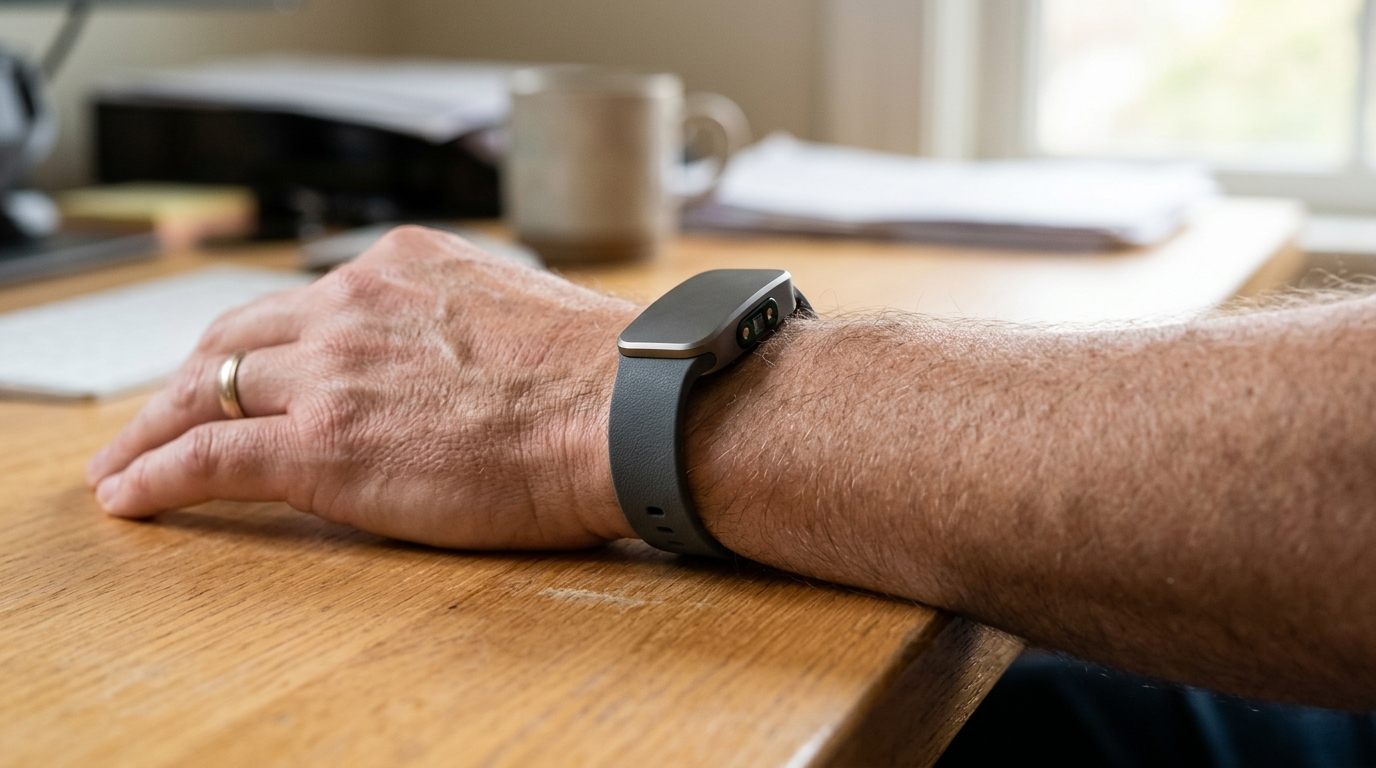
Wearable devices for epilepsy are generally categorized into indoor monitoring devices and mobile detection devices. Indoor devices, such as video sensors and bed motion sensors, are typically non-portable and suitable for detecting nocturnal seizures. They aim to alert caregivers to nighttime seizures, thereby reducing the risk of sudden unexpected death in epilepsy. Mobile detection devices are wearable systems designed for use throughout the day, often requiring a compatible smartphone as a control unit. These devices can send remote alerts to caregivers and track seizure frequency, which is useful for maintaining accurate seizure counts and guiding medical decisions.
The performance of wearable devices varies depending on the type of seizure and the specific technology used. A study comparing six wearable devices sold in the U.S. or Europe found that sensitivity for detecting convulsive seizures ranged from 76% to 95%. Most devices detected over 90% of generalized convulsive seizures when correctly placed. However, these devices also exhibit high false alarm rates, which can range from 0.1 to 2.5 times per day. The false alarm rate is higher in children than in adults, and most false alarms occur during wakefulness. Reducing false alarms is a key focus for future research, as is the detection of other seizure types, such as focal seizures and psychogenic non-epileptic seizures.
Machine learning algorithms play a crucial role in the functionality of these devices. The use of machine learning combined with wrist accelerometers and electrodermal activity has been shown to effectively detect generalized tonic-clonic seizures. More recently developed seizure prediction algorithms are almost entirely based on deep learning approaches. These algorithms can analyze large volumes of data to forecast the impending occurrence of a seizure, enabling preemptive interventions. Closed-loop systems are being developed to detect seizures, trigger treatment responses, and even predict and prevent seizures, potentially changing the management of epilepsy.
Despite their potential, wearable digital health technologies face several limitations. One key challenge is the quality of recorded data, as the transient nature of seizures requires high time-resolution monitoring. Existing biosensors rely on machine learning to quantify signal quality and filter out low-quality data, but current devices still require further development to improve data consistency and user acceptability. The accuracy and timing of seizure detection are also critical, as false positives and misdiagnoses can negatively impact patients and lead to device discontinuation. There is currently no confirmed evidence that using these devices can quantify seizures or improve treatment outcomes, and data supporting their ability to reduce injury risk is limited.
User engagement and acceptability are significant factors in the adoption of wearable devices. Studies have shown that patients and caregivers value these devices for their ability to communicate seizure occurrences to doctors and enhance self-management. However, barriers such as stigma, anxiety, and the cost of devices can hinder consistent use. Long-term engagement is critical for successfully adopting eHealth technologies, especially for chronic conditions like epilepsy. Factors influencing engagement are complex and multifactorial, often shaped by cultural backgrounds and personal experiences. The unpredictability of seizures may affect users’ willingness to engage with these tools consistently.
The review highlights the importance of proper usage of wearable devices. The primary goal of seizure detection wearables is to enhance safety before and after seizures, but some users may assume they only need to wear the device while sleeping. However, 30% of sudden unexpected death in epilepsy cases occur while patients are awake. Given the unpredictability of seizures, occasional non-use of wearable devices during daytime or nighttime could reduce their potential benefits. Ensuring that users are informed about correct usage practices is crucial for maximizing the impact of these technologies.
Future advancements in wearable digital health technologies should focus on improving multimodal sensor technologies and integrating clinical records with existing device data. The detection capabilities of these devices need to be expanded to a wider range of epilepsy types, including focal seizures. Artificial intelligence holds significant potential for improving the diagnosis and management of epilepsy, with deep learning approaches emerging as a promising direction for future development. In the future, AI systems may be capable of predicting seizures hours or even days in advance by analyzing large volumes of clinical data, genetic predispositions, and environmental factors.
Ensuring patient data security and privacy has become a critical issue with the increasing use of artificial intelligence in healthcare. The FDA has established cybersecurity requirements for digital platforms and medical-use devices, highlighting the importance of security measures in this field. When developing and deploying these devices, it is crucial to ensure data validity, cybersecurity, and privacy protection. Promoting equitable access and comprehensively addressing potential risks and ethical concerns arising from the integration of artificial intelligence are also essential for the successful implementation of wearable digital health technologies in epilepsy management.
Wearable digital health technologies demonstrate immense potential in epilepsy management by enhancing patients’ control over their condition and enabling early seizure detection and prediction. These technologies support more precise health monitoring and data analysis, helping both patients and healthcare providers better manage the unpredictability of epilepsy. However, challenges remain regarding usability, acceptability, and integration within existing healthcare systems. Addressing these issues is essential for realizing the full potential of wearable technologies, with significant implications for patients, clinicians, and researchers. Through continued innovation and rigorous research, wearable digital health technologies can contribute to improved patient safety, quality of life, and dignity.
Subject of Research: The research progress of wearable digital health technologies in epilepsy management
Article Title: The research progress of wearable digital health technologies in epilepsy management
Article References: Zhao, X., & Wang, T. (2026). The research progress of wearable digital health technologies in epilepsy management. Acta Epileptologica, 8(1), Article 8. https://doi.org/10.1186/s42494-026-00247-5
Image Credits: AI Generated
DOI: 10.1186/s42494-026-00247-5
Keywords: research, progress, wearable, digital, health, technologies, epilepsy, management, scientific research
News Source: Kendall Mcintyre. (November 7, 2026). Wearable Tech Advances in Epilepsy Seizure Detection. Scienmag.