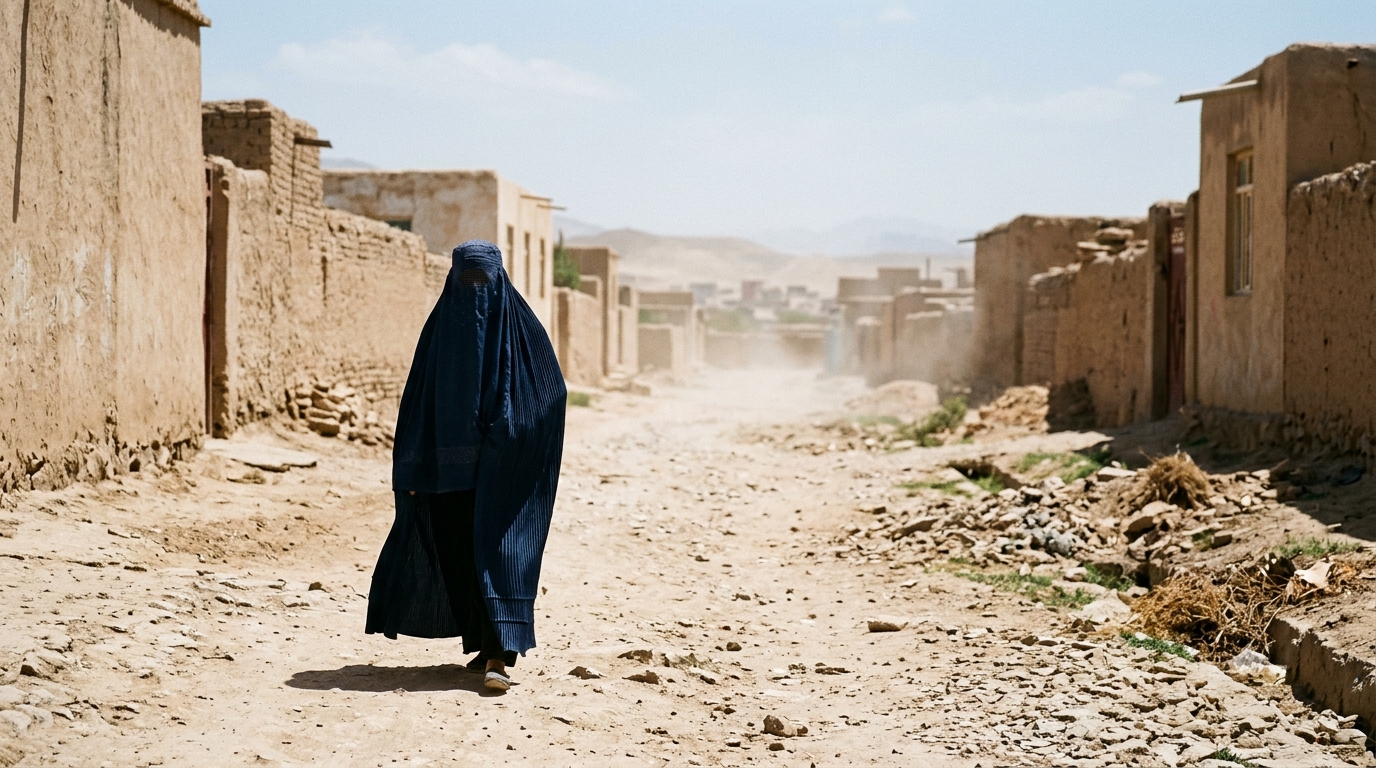
A recent study published in Fashion and Textiles provides a comparative analysis of the thermoregulatory and physiological effects of three common types of headwear worn by Muslim women: the hijab, the niqab, and the burqa. The research, conducted in a controlled laboratory environment simulating hot and dry conditions, found that while core body temperature and overall sweat rates did not differ significantly among the three garments, the burqa resulted in higher local skin temperatures and increased breathing resistance. These findings offer critical insights into the physical comfort and safety of women wearing these garments in hot climates, particularly during physically active periods such as the Hajj pilgrimage.
The study involved ten healthy Indonesian female participants who completed three separate experimental trials, each involving the wear of a specific headwear type. The experimental conditions were designed to mimic a hot-dry environment, with an air temperature set at 36 °C and a relative humidity of 30%. To simulate the effects of direct solar radiation, a radiant heating panel was positioned above the participants, maintaining a globe temperature of 70 °C at head height. This setup resulted in a wet-bulb globe temperature of 36.5 °C, representing a significant heat stress scenario relevant to regions such as Saudi Arabia.
The headwear used in the trials was made from the same 100% polyester fabric to ensure that differences in thermal response were attributable to the design and coverage area of the garments rather than material properties. The hijab covered approximately 37% of the body surface area, the niqab covered 60%, and the burqa covered 94%. The weights of the garments also varied, with the hijab weighing 135 g, the niqab 317 g, and the burqa 475 g. Participants wore the same base clothing, including an abaya and inner cap, across all trials to control for variables other than the headwear.
During the 60-minute exercise protocol, which included walking and running on a treadmill, researchers monitored various physiological indicators, including rectal temperature, auditory canal temperature, mean skin temperature, heart rate, and sweat rate. The results indicated that systemic thermal strain, as measured by core temperature and total sweat rate, did not differ significantly among the three conditions. Rectal temperature increases during exercise were similar for all groups, with maximum values hovering around 38.0 °C. Heart rate and local sweat rates on the forehead and upper back also showed no significant differences, suggesting that the overall cardiovascular and thermoregulatory responses were comparable across the different levels of coverage.
However, localized thermal responses revealed distinct variations. The microclimate temperature inside the chest was significantly higher when wearing the burqa compared to the hijab or niqab. At the end of the exercise, the chest microclimate temperature reached 37.4 ± 2.6 °C under the burqa, compared to 36.2 ± 0.5 °C for the hijab and 36.5 ± 0.5 °C for the niqab. This difference was statistically significant, indicating that the extensive coverage of the burqa impedes heat dissipation from the torso. Additionally, the maximum temperature at the back of the neck tended to be lower with the niqab than with the burqa, although this difference did not reach statistical significance.
A striking finding was the extreme rise in microclimate temperature at the top of the head. Regardless of the headwear type, the air layer between the hair and the inner cap reached temperatures between 60 and 70 °C by the end of the exercise. The maximum recorded temperatures were 70.7 ± 9.1 °C for the hijab, 71.8 ± 5.9 °C for the niqab, and 72.8 ± 8.3 °C for the burqa. These temperatures far exceed the hotness thresholds for head skin, potentially posing a risk of heat-related discomfort or injury during prolonged exposure. The study suggests that targeted cooling of the upper head could be an effective strategy to mitigate this localized heat load.
Subjective responses further highlighted the differences in comfort among the three garments. Participants reported feeling hotter and more breathing-burdened under the burqa condition compared to the hijab or niqab. The niqab was often described as restrictive for breathing due to its proximity to the nose and mouth, causing facial discomfort. In contrast, the burqa was perceived as the heaviest and most restrictive garment, limiting visibility and increasing the sense of physical exertion. Qualitative feedback indicated that the hijab was the most comfortable, largely due to familiarity and better breathability.
The study also noted that the niqab and burqa imposed additional breathing burdens during exercise in hot environments. This was attributed to the design of the garments, which can trap warm, humid exhaled air near the nostrils, leading to a perception of respiratory resistance. The authors suggest that design modifications, such as incorporating breathable mesh or structured panels to reduce fabric-skin contact around the face, could improve wearer comfort. These findings are particularly relevant for designing garments that balance cultural and religious requirements with physiological safety in hot climates.
Limitations of the study include the small sample size and the fact that all participants were residents of South Korea, a temperate climate, rather than hot-dry regions. Consequently, their level of heat acclimatization may not reflect that of Muslim women who habitually reside in tropical or desert climates. Additionally, the use of lightweight polyester fabrics means that the findings may not be generalizable to thicker or heavier headscarves. The short duration of the exercise protocol also limits the applicability of the results to longer-duration activities such as the full Hajj pilgrimage.
Despite these limitations, the study provides valuable insights into the thermo-physiological impacts of different headwear designs. It underscores the importance of considering localized heat strain and respiratory comfort in the design of clothing for hot environments. The results suggest that while systemic thermal strain may not differ significantly, localized discomfort and breathing burden can be substantial, particularly with more extensive coverage. Future research should explore a wider range of materials and designs, as well as the effects of heat acclimatization, to better understand the thermal dynamics of these garments in diverse environments.
The findings have practical implications for the safety and comfort of Muslim women in hot and dry climates. By identifying specific areas of heat accumulation and respiratory restriction, the study offers a basis for developing improved garment designs. Incorporating ventilation features, lighter fabrics, and targeted cooling strategies could enhance the physical performance and well-being of wearers without compromising cultural or religious appropriateness. This research contributes to a growing body of evidence on the importance of considering physiological factors in the design of traditional and religious clothing.
In conclusion, the study demonstrates that the burqa, while not significantly affecting core temperature, leads to higher local skin and microclimate temperatures and greater breathing burden compared to the hijab and niqab. The niqab also presents challenges related to facial discomfort and respiratory resistance. The extreme temperatures recorded at the top of the head highlight the need for effective head cooling strategies. These insights are crucial for ensuring the safety and comfort of women wearing these garments in hot environments, particularly during physically demanding activities.
Subject of Research: Thermoregulatory and physiological effects of hijab, niqab, and burqa in hot-dry environments
Article Title: Which is most thermally comfortable in a hot and dry environment: Hijab, niqab, or burqa?
Article References: Salsabila, S., Sakina, S. I., & Lee, J.-Y. (2026). Which is most thermally comfortable in a hot and dry environment: Hijab, niqab, or burqa?. Fashion and Textiles, 13(1), Article 14. https://doi.org/10.1186/s40691-026-00462-1
Image Credits: AI Generated
DOI: 10.1186/s40691-026-00462-1
Keywords: thermal comfort, hijab, niqab, burqa, heat stress, physiology, clothing design, hot-dry climate, most, thermally, comfortable, environment
News Source: Denise Maddox. (November 7, 2026). Burqa Increases Local Heat and Breathing Burden in Hot Climates. Scienmag.