• HOME
  • NEWS
  • EXPLORE
    • CAREER
      • Companies
      • Jobs
    • EVENTS
    • iGEM
      • News
      • Team
    • PHOTOS
    • VIDEO
    • WIKI
  • BLOG
  • COMMUNITY
    • FACEBOOK
    • INSTAGRAM
    • TWITTER
Tuesday, November 17, 2026
BIOENGINEER.ORG
No Result
View All Result
  • Login
  • HOME
  • NEWS
  • EXPLORE
    • CAREER
      • Companies
      • Jobs
        • Lecturer
        • PhD Studentship
        • Postdoc
        • Research Assistant
    • EVENTS
    • iGEM
      • News
      • Team
    • PHOTOS
    • VIDEO
    • WIKI
  • BLOG
  • COMMUNITY
    • FACEBOOK
    • INSTAGRAM
    • TWITTER
No Result
View All Result
Bioengineer.org
No Result
View All Result
Home NEWS Science News Biology

Three New CLIP Protocols Map Protein–RNA Interactions in Living Cells

by
November 7, 2026
in Biology
Reading Time: 2 mins read
0
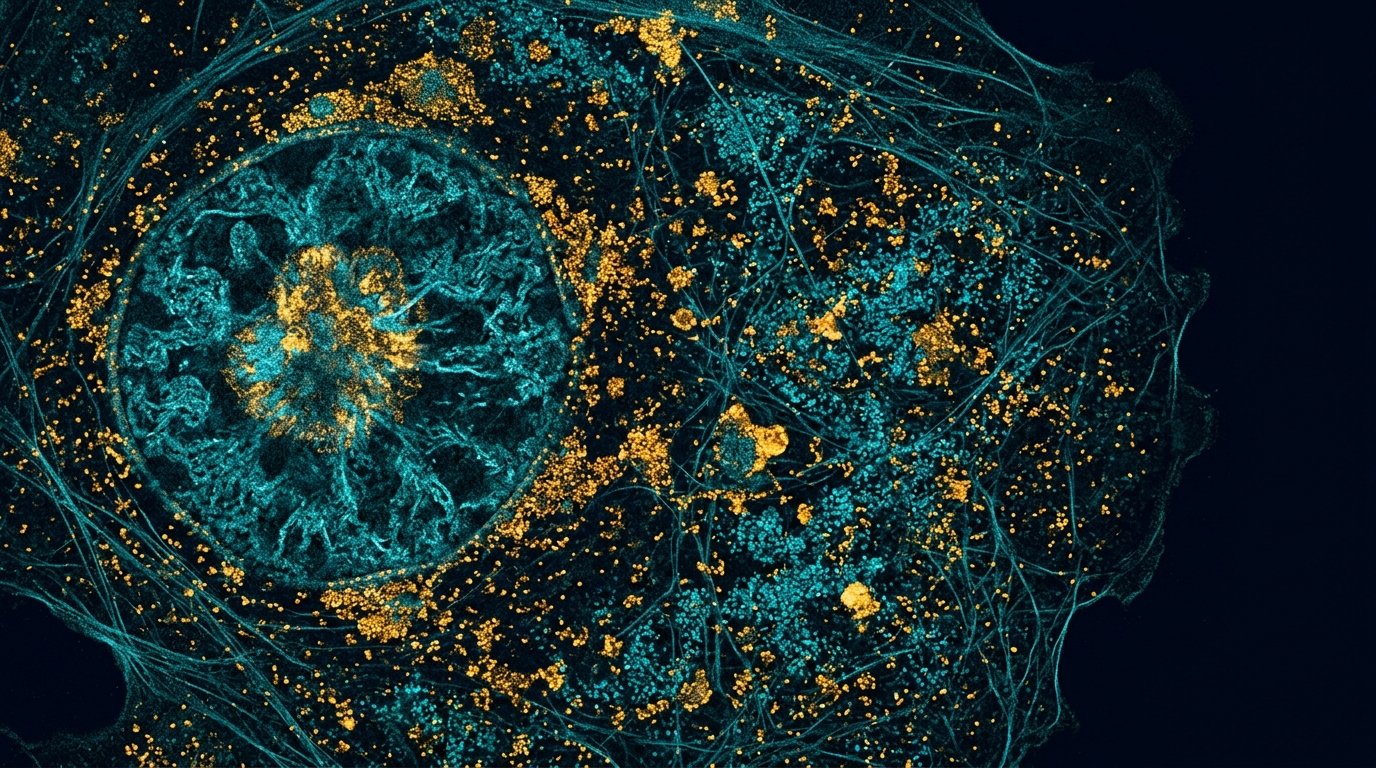
Three New CLIP Protocols Map Protein–RNA Interactions in Living Cells

Three New CLIP Protocols Map Protein–RNA Interactions in Living Cells

Share on FacebookShare on TwitterShare on LinkedinShare on RedditShare on Telegram

Researchers have established three interconnected cross-linking and immunoprecipitation procedures—irCLIP-RNP, irCLIPv2, and Re-CLIP—designed to detect and characterize protein–RNA complexity by identifying RNA-dependent associated proteins in proximity to a target RNA-binding protein in living cells.

All three procedures begin with the preparation of an infrared biotinylated DNA adapter. Following adapter assembly, the experimental protocol couples ultraviolet cross-linking, cell lysis, partial RNase digestion, and protein-specific immunoprecipitation to enrich the target RNA-binding protein, after which the DNA adapter is ligated to RNAs bound by the protein.

Following adapter ligation, the procedures diverge into three distinct downstream workflows. The irCLIP-RNP method utilizes mass spectrometry to identify RNA-dependent associated proteins, irCLIPv2 applies RNA sequencing to map binding regions across the transcriptome, and Re-CLIP performs a second immunoprecipitation with sequencing to validate interactions.

Dedicated bioinformatics pipelines analyze the resulting proteomic and transcriptomic datasets, evaluating enriched associated proteins or significant binding sites to provide mechanistic insight into proximal RNA–protein interactions. Compared with conventional CLIP techniques, the protocols resolve adjacent interactions to link RNA-binding proteins to their associated partners with higher precision.

The workflow is applicable across diverse experimental contexts, including cell state transitions and stimulus responses. The authors state that completing the entire pipeline from cell harvesting to computational analysis requires seven to ten days, along with technical expertise in RNA biochemistry, next-generation sequencing, and bioinformatics.

The protocol outlines specific technological innovations across its procedural stages to support the mapping of ribonucleoprotein assemblies and post-transcriptional regulatory networks in living cells. Central to the experimental strategy is the custom infrared biotinylated DNA adapter, which undergoes 3′ DNA adapter ligation to target-bound RNA molecules following ultraviolet cross-linking, cell lysis, partial RNase digestion, and protein-specific immunoprecipitation.

To assist researchers during implementation, the published protocol provides expected quality checkpoint results at critical stages of the procedure.

The procedural guidelines also detail distinct bioinformatic analyses tailored to the different readouts generated by the three workflows. Dedicated computational pipelines process the resulting proteomic datasets from irCLIP-RNP to analyze enriched RNA-dependent associated proteins, while transcriptomic datasets from irCLIPv2 and Re-CLIP are analyzed to identify significant RNA-binding regions and validate proximal interactions.

Additionally, the protocol provides representative expected results illustrating typical experimental outcomes across irCLIP-RNP, irCLIPv2, and Re-CLIP.

Subject of Research: CLIP-based protocols for mapping cellular protein–RNA interactions

Article Title: Detection and characterization of in cellulo protein–RNA complexity by irCLIP-RNP, irCLIPv2 and Re-CLIP

Article References: Ducoli, L., Meyers, R. M., Zarnegar, B. J., Porter, D. F., Ko, L. A., Lu, D. M., Flynn, R. A., & Khavari, P. A. (2026). Detection and characterization of in cellulo protein–RNA complexity by irCLIP-RNP, irCLIPv2 and Re-CLIP. Nature Protocols. https://doi.org/10.1038/s41596-026-01459-2

Image Credits: AI Generated

DOI: 10.1038/s41596-026-01459-2

Keywords: CLIP, RNA-protein interactions, irCLIP-RNP, irCLIPv2, Re-CLIP, ribonucleoproteins, transcriptomics, mass spectrometry, Detection, characterization, cellulo, protein

News Source: Gregory Coleman. (November 7, 2026). Three New CLIP Protocols Map Protein–RNA Interactions in Living Cells. Scienmag.

Tags: cellulocharacterizationCLIPdetectionirCLIP-RNPirCLIPv2mass spectrometryproteinRe-CLIPribonucleoproteinsRNA-protein interactionsTranscriptomics
Share12Tweet7Share2ShareShareShare1

Related Posts

Laboratory Evolution Boosts Trehalose Production in Cupriavidus necator via Osmotic Stress Adaptation

Laboratory Evolution Boosts Trehalose Production in Cupriavidus necator via Osmotic Stress Adaptation

November 17, 2026
Inherited Mutations in Manganese Transporters Cause Distinct Metabolic Disorders

Inherited Mutations in Manganese Transporters Cause Distinct Metabolic Disorders

November 17, 2026

CT Findings Prompted Empirical Albendazole Treatment Despite Negative Stool Microscopy in Patient

November 17, 2026

Review Finds African Ethnobiological Knowledge Has Measurable Conservation Value

November 17, 2026

POPULAR NEWS

  • Alloplastic Temporomandibular Joint Replacement Offers Uncertain Benefits After Mandibular Neoplasm Resection

    Alloplastic Temporomandibular Joint Replacement Offers Uncertain Benefits After Mandibular Neoplasm Resection

    29 shares
    Share 12 Tweet 7
  • Serum Mass Spectrometry Predicts Treatment Response in HER2-Positive Breast Cancer

    29 shares
    Share 12 Tweet 7
  • Polypharmacy Linked to Higher Odds of Sarcopenia in Older Adults

    29 shares
    Share 12 Tweet 7
  • Adapted Virtual Presence Tool Proves Feasible in Pilot Manikin Simulation Courses

    29 shares
    Share 12 Tweet 7

About

We bring you the latest biotechnology news from best research centers and universities around the world. Check our website.

Follow us

Recent News

Sexual Dysfunction Signals Early Autonomic Involvement in Rare Hereditary Transthyretin Amyloidosis

Laboratory Evolution Boosts Trehalose Production in Cupriavidus necator via Osmotic Stress Adaptation

Inherited Mutations in Manganese Transporters Cause Distinct Metabolic Disorders

Subscribe to Blog via Email

Enter your email address to subscribe to this blog and receive notifications of new posts by email.

Join 88 other subscribers
  • Contact Us

Bioengineer.org © Copyright 2023 All Rights Reserved.

Welcome Back!

Login to your account below

Forgotten Password?

Retrieve your password

Please enter your username or email address to reset your password.

Log In
No Result
View All Result
  • Homepages
    • Home Page 1
    • Home Page 2
  • News
  • National
  • Business
  • Health
  • Lifestyle
  • Science

Bioengineer.org © Copyright 2023 All Rights Reserved.