• HOME
  • NEWS
  • EXPLORE
    • CAREER
      • Companies
      • Jobs
    • EVENTS
    • iGEM
      • News
      • Team
    • PHOTOS
    • VIDEO
    • WIKI
  • BLOG
  • COMMUNITY
    • FACEBOOK
    • INSTAGRAM
    • TWITTER
Friday, November 6, 2026
BIOENGINEER.ORG
No Result
View All Result
  • Login
  • HOME
  • NEWS
  • EXPLORE
    • CAREER
      • Companies
      • Jobs
        • Lecturer
        • PhD Studentship
        • Postdoc
        • Research Assistant
    • EVENTS
    • iGEM
      • News
      • Team
    • PHOTOS
    • VIDEO
    • WIKI
  • BLOG
  • COMMUNITY
    • FACEBOOK
    • INSTAGRAM
    • TWITTER
No Result
View All Result
Bioengineer.org
No Result
View All Result
Home NEWS Science News Health

Researchers Outline Key Considerations for Designing CRISPR-Based Epigenetic Editing Experiments

by
November 6, 2026
in Health
Reading Time: 2 mins read
0
Researchers Outline Key Considerations for Designing CRISPR-Based Epigenetic Editing Experiments

Researchers Outline Key Considerations for Designing CRISPR-Based Epigenetic Editing Experiments

Share on FacebookShare on TwitterShare on LinkedinShare on RedditShare on Telegram

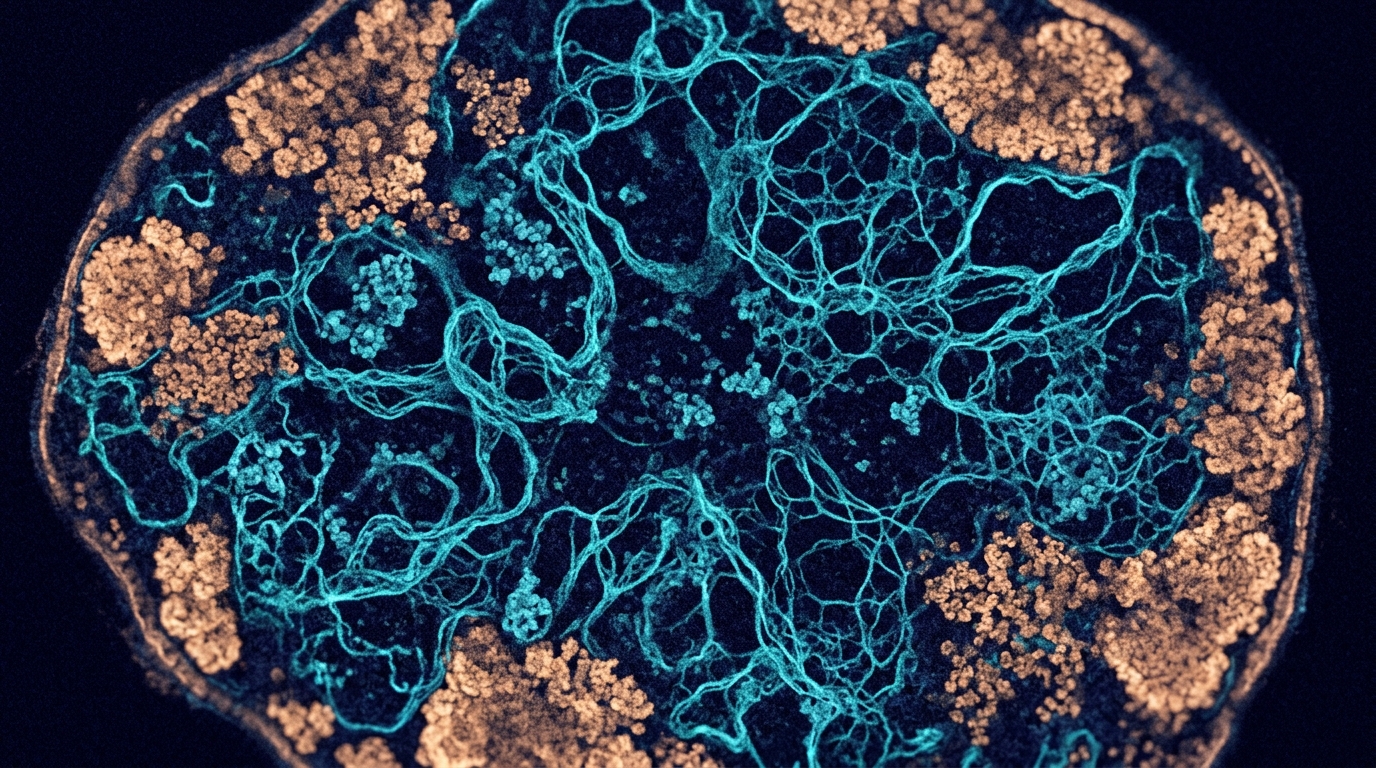
A review published in Clinical Epigenetics examines the practical considerations and persistent challenges in designing CRISPR-based epigenetic editing experiments. Authors Lynette Graver, Maria Antonietta Cuscianna, and Gabriella Ficz evaluate how CRISPR tools can be repurposed for targeted regulation of gene expression without introducing double-stranded DNA breaks. Recent studies have demonstrated long-lasting epigenetic changes in vivo, advancing the translation of these tools toward therapeutically relevant outcomes.

Compared to alternative editing platforms such as zinc finger proteins and transcription activator-like effectors, CRISPR-based systems provide distinct advantages, including lower costs, operational simplicity, and multiplexing capabilities.

Despite this progress, researchers face substantial design uncertainties. More than 700 distinct CRISPR-dCas9 tools are currently distributed through Addgene for CRISPR activation, CRISPR interference, and epigenetics. However, the scientific community lacks clear consensus regarding tool selection, optimal timing, cell-type suitability, and the ways different epigenetic effectors interact with one another.

Significant questions also persist regarding how pre-existing epigenomic and transcriptomic contexts influence the durability, efficiency, and specificity of editing. Critical unresolved issues include the number of guide RNAs and effectors required, the magnitude of epigenetic change necessary to achieve functional outputs, and the interactions between editing tools and endogenous transcriptional machinery.

The authors note that understanding of how epigenetic crosstalk governs editing efficiency remains limited, continuing to constrain experimental workflows. To address these gaps, the review synthesizes successes and challenges across in vitro and in vivo studies to establish a molecular framework for designing dCas9-based editing experiments.

Subject of Research: CRISPR-dCas9 epigenetic editing experimental design

Article Title: Practical considerations for epigenetic editing experiments and clinical applications

Article References: Graver, L., Cuscianna, M. A., & Ficz, G. (2026). Practical considerations for epigenetic editing experiments and clinical applications. Clinical Epigenetics. https://doi.org/10.1186/s13148-026-02251-5

Image Credits: AI Generated

DOI: 10.1186/s13148-026-02251-5

Keywords: CRISPR-dCas9, epigenetic editing, gene regulation, CRISPRa, CRISPRi, dCas9, Clinical Epigenetics, Practical, considerations, epigenetic, editing, experiments

News Source: Juliet Wilcox. (November 6, 2026). Researchers Outline Key Considerations for Designing CRISPR-Based Epigenetic Editing Experiments. Scienmag.


Tags: clinical epigeneticsconsiderationsCRISPR dCas9CRISPRaCRISPRidCas9editingepigeneticepigenetic editingexperimentsGene regulationPractical
Share12Tweet7Share2ShareShareShare1

Related Posts

Steam Therapy Shrinks a 297 mL Prostate When Surgery Felt Too Risky

Steam Therapy Shrinks a 297 mL Prostate When Surgery Felt Too Risky

November 6, 2026
Nailfold Capillaroscopy Identifies Structural Microvascular Markers in Suspected Secondary Raynaud Phenomenon

Nailfold Capillaroscopy Identifies Structural Microvascular Markers in Suspected Secondary Raynaud Phenomenon

November 6, 2026

Sphenoid sinus growth in children shows clear age-linked changes in pneumatization patterns

November 6, 2026

Chinese Herbal Formula Restores Heart Energy and Curbs Scarring After Infarction in Mice, Multi-Omics Study Shows

November 6, 2026

POPULAR NEWS

  • Study Maps Psychological Profiles and Self-Advocacy in Female Cancer Patients

    Study Maps Psychological Profiles and Self-Advocacy in Female Cancer Patients

    29 shares
    Share 12 Tweet 7
  • Surveys Reveal Deprivation Gaps in UK Inflammatory Arthritis Pain Management

    29 shares
    Share 12 Tweet 7
  • Patritumab Deruxtecan Shows Therapeutic Potential Across Multiple Breast Cancer Subtypes

    29 shares
    Share 12 Tweet 7
  • Meteorin-Like Protein Enhances Grass Carp DNA Vaccine Protection Against Viral Infection

    29 shares
    Share 12 Tweet 7

About

We bring you the latest biotechnology news from best research centers and universities around the world. Check our website.

Follow us

Recent News

Cash Income Shortages Drive Meal Deprivation in Senegalese Households

Steam Therapy Shrinks a 297 mL Prostate When Surgery Felt Too Risky

Knowledge Graph Framework Uncovers Drug Repurposing Targets for Aplastic Anaemia

Subscribe to Blog via Email

Enter your email address to subscribe to this blog and receive notifications of new posts by email.

Join 86 other subscribers
  • Contact Us

Bioengineer.org © Copyright 2023 All Rights Reserved.

Welcome Back!

Login to your account below

Forgotten Password?

Retrieve your password

Please enter your username or email address to reset your password.

Log In
No Result
View All Result
  • Homepages
    • Home Page 1
    • Home Page 2
  • News
  • National
  • Business
  • Health
  • Lifestyle
  • Science

Bioengineer.org © Copyright 2023 All Rights Reserved.