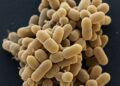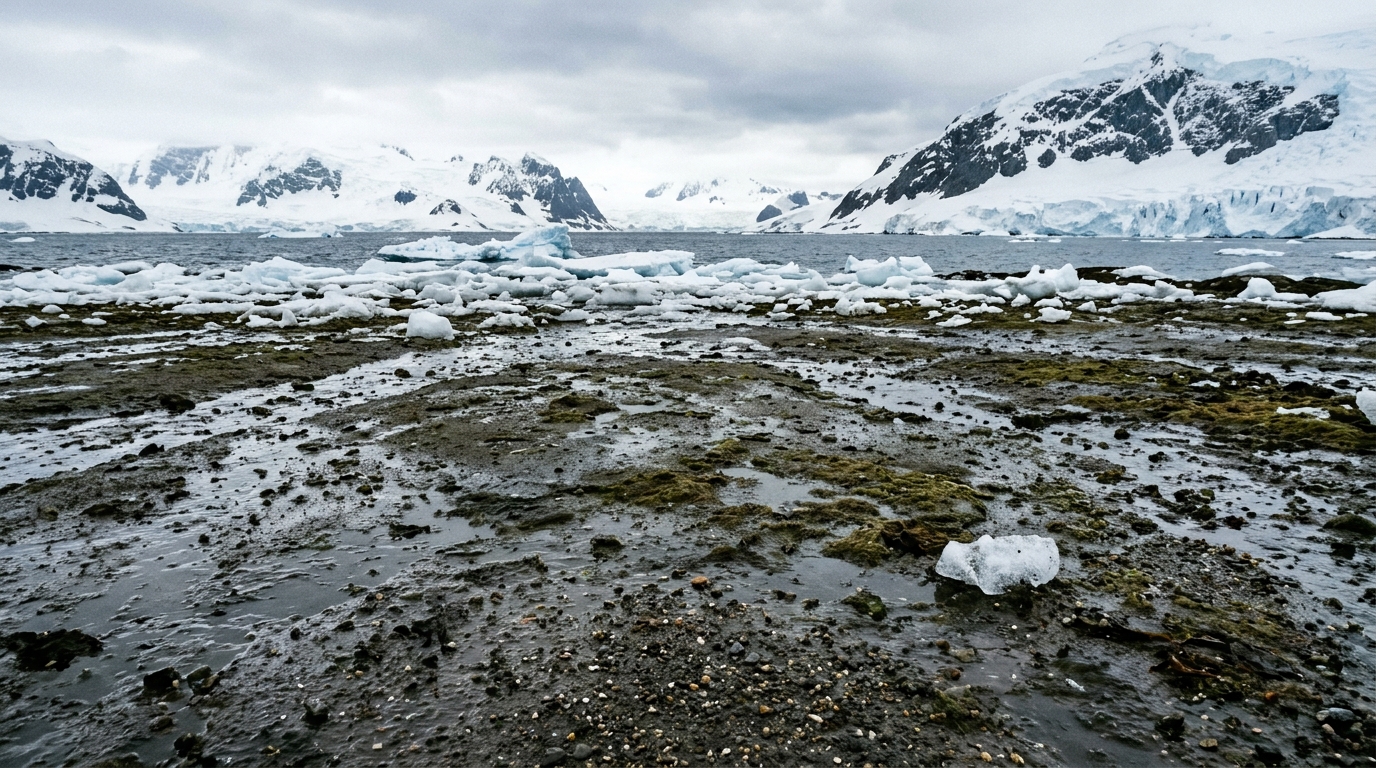
Intertidal sediments along the Antarctic coast represent overlooked hotspots of dimethyl sulfide production driven by Granulosicoccus-containing microbial communities, according to a research study published in Microbiome on November 5, 2026.
The discovery of this active cleavage pathway establishes a notable contrast to open pelagic ocean environments, where marine sulfur cycling is typically dominated by demethylation processes. Dimethyl sulfide is a volatile organosulfur compound that plays a significant role in global climate regulation because of its direct contribution to atmospheric aerosol formation. Although the Southern Ocean represents an essential source of dimethyl sulfide and serves as a vital region for marine sulfur cycling on a planetary scale, previous scientific investigations have concentrated primarily on pelagic waters. As a consequence of this historical focus, the microbial drivers regulating dimethyl sulfide cycling in Antarctic coastal sediments have remained poorly understood.
To characterize the microbial mechanisms and sulfur transformations taking place within the intertidal sediments of the Fildes Peninsula, the researchers employed an integrated multi-tiered experimental strategy. Alongside these genomic surveys, the team conducted targeted DMSP-amendment incubation experiments designed to test how the sediment-dwelling microorganisms respond metabolically to the direct addition of DMSP under controlled conditions.
The incubation experiments confirmed rapid generation of dimethyl sulfide upon the addition of DMSP, validating the active functional potential of the cleavage pathway in these intertidal sediments. Through genomic reconstruction, the study identified the bacterial taxa Granulosicoccus, Ilumatobacter, and Cocleimonas as key potential drivers responsible for mediating dimethyl sulfide cycling in this coastal habitat.
These findings collectively identify Antarctic intertidal sediments as overlooked hotspots of dimethyl sulfide production mediated by the DMSP cleavage pathway and Granulosicoccus-dominated microbial communities. Because traditional polar biogeochemical models have omitted coastal intertidal sediments in favor of open pelagic waters, the researchers emphasize that these nearshore environments must now be integrated into broader polar models.
Subject of Research: Dimethyl sulfide production in Antarctic intertidal sediments
Article Title: Antarctic intertidal sediments are overlooked hotspots of dimethyl sulfide production associated with Granulosicoccus-containing microbial communities
Article References: Yan, D., Su, S., Li, C.-Y., Liao, L., & Ji, M. (2026). Antarctic intertidal sediments are overlooked hotspots of dimethyl sulfide production associated with Granulosicoccus-containing microbial communities. Microbiome. https://doi.org/10.1186/s40168-026-02568-6
Image Credits: AI Generated
DOI: 10.1186/s40168-026-02568-6
Keywords: Dimethyl sulfide, Antarctic sediments, Fildes Peninsula, Granulosicoccus, DMSP cleavage, Microbiome, Southern Ocean, Biogeochemical cycles, Antarctic, intertidal, sediments, overlooked
News Source: Drew Townsend. (November 6, 2026). Antarctic Intertidal Sediments Identified as Hotspots for Dimethyl Sulfide Production. Scienmag.