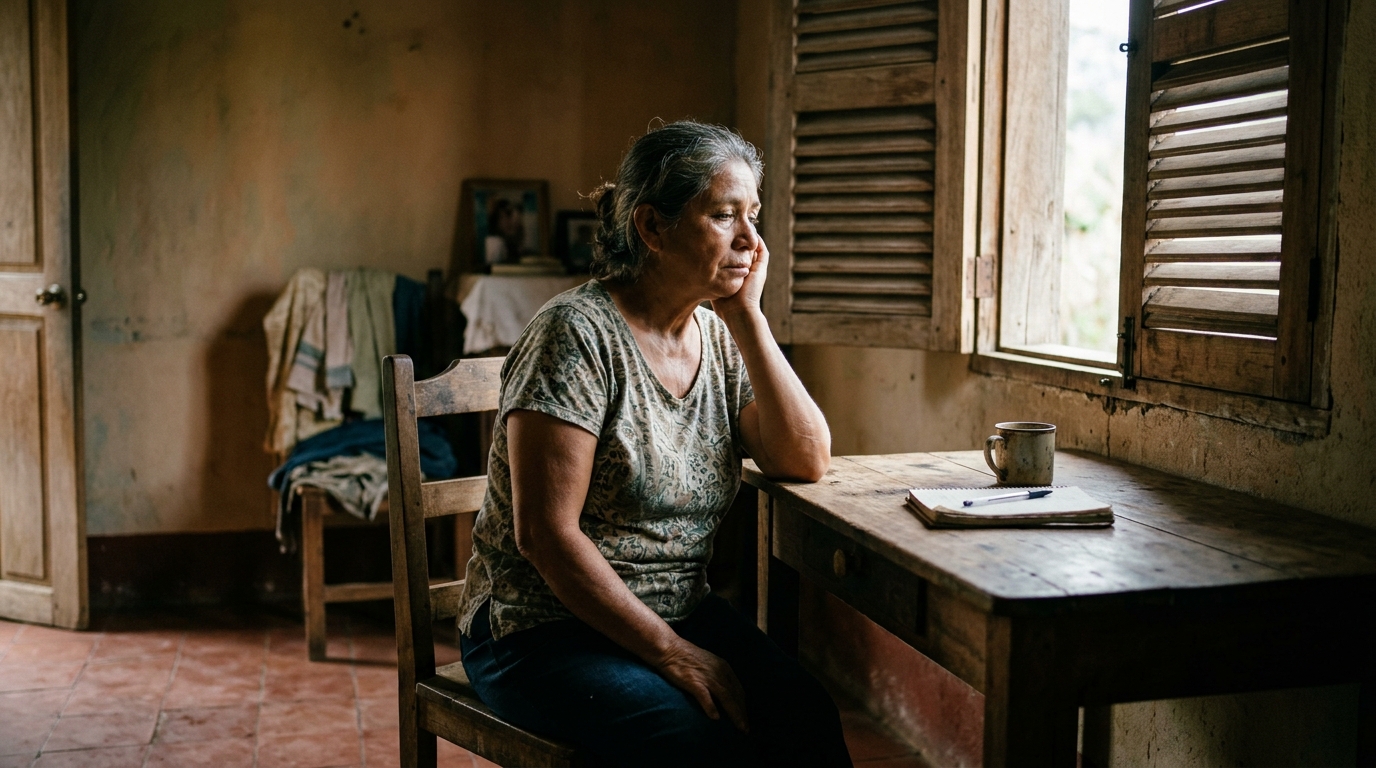
People living with HIV in Honduras describe their diagnosis not simply as the start of a chronic illness but as an existential rupture, according to a qualitative study published in Discover Mental Health.
The researchers note that despite advances in antiretroviral therapy, HIV-related stigma and structural vulnerability continue to represent significant barriers for people living with HIV in the country. Their analysis produced five interrelated themes that together map the emotional, social, and bodily dimensions of life with the virus in this setting.
The first theme, diagnosis as an existential rupture, was marked by emotional collapse, disrupted identity, and what the researchers describe as a collapsed future. For participants, the moment of diagnosis shattered assumptions about who they were and what lay ahead, rather than registering as a manageable medical event. The second theme captured the weight of HIV stigma in three forms: anticipated stigma, enacted stigma, and internalized stigma. This layered stigma shaped how participants expected to be treated, how they were actually treated, and how they came to view themselves.
A third theme, despair as an existential threshold, included suicidal ideation and treatment abandonment. The interviews suggest that the period surrounding diagnosis can push some people to the edge of giving up on both life and care, underscoring how fragile the transition into living with HIV can be. The fourth theme, the body as evidence, centered on weakness, visible signs, and responsibility. Participants experienced their own bodies as bearers of proof of infection, through physical weakness and visible changes, while also carrying a sense of responsibility tied to their condition.
Against these ruptures, the fifth theme traced how participants reconstructed continuity in their lives. This rebuilding rested on support, trust in healthcare, spirituality, dignity, and acceptance. Rather than a single turning point, the findings portray living with HIV as an ongoing negotiation of identity, dignity, visibility, and hope, in which relationships with families, healthcare providers, and personal faith all play a part.
The authors draw practical conclusions from these themes. They highlight the importance of maintaining confidentiality within healthcare services, a concern that connects directly to the stigma participants described. They also emphasize recognizing the fundamental role of pre- and post-diagnosis psychological support, an area that speaks to the despair and suicidal ideation reported in the interviews. In addition, they call for developing psychosocial interventions to reduce stigma, as well as strategies to strengthen family and social support.
The published version is an early-release article, citable under a permanent DOI, that remains subject to further edits before the final Version of Record replaces it.
Even with those limits, the study offers a structured picture of what an HIV diagnosis means in a setting where stigma and structural vulnerability persist despite effective antiretroviral therapy. By organizing experiences into themes ranging from emotional collapse and internalized stigma to spirituality and acceptance, the researchers provide a framework that health services in Honduras and similar settings can use to design confidential care, psychological support around diagnosis, and stigma-reduction efforts grounded in the actual accounts of people living with HIV.
Subject of Research: Lived experiences of receiving and living with an HIV diagnosis among adults in Honduras
Article Title: A qualitative study of experiences of receiving and living with an HIV diagnosis in Honduras
Article References: Portillo, G., Carias-Lagos, M., Martinez, O. F. A., Suazo-Cervantes, I., & Landa-Blanco, M. (2026). A qualitative study of experiences of receiving and living with an HIV diagnosis in Honduras. Discover Mental Health. https://doi.org/10.1007/s44192-026-00658-3
Image Credits: AI Generated
DOI: 10.1007/s44192-026-00658-3
Keywords: HIV, Honduras, qualitative research, stigma, mental health, antiretroviral therapy, thematic analysis, psychological support, healthcare confidentiality, Tegucigalpa, qualitative, experiences
News Source: Ophelia Keating. (November 5, 2026). HIV Diagnosis Felt Like an Existential Rupture for Hondurans, Interviews Reveal. Scienmag.