


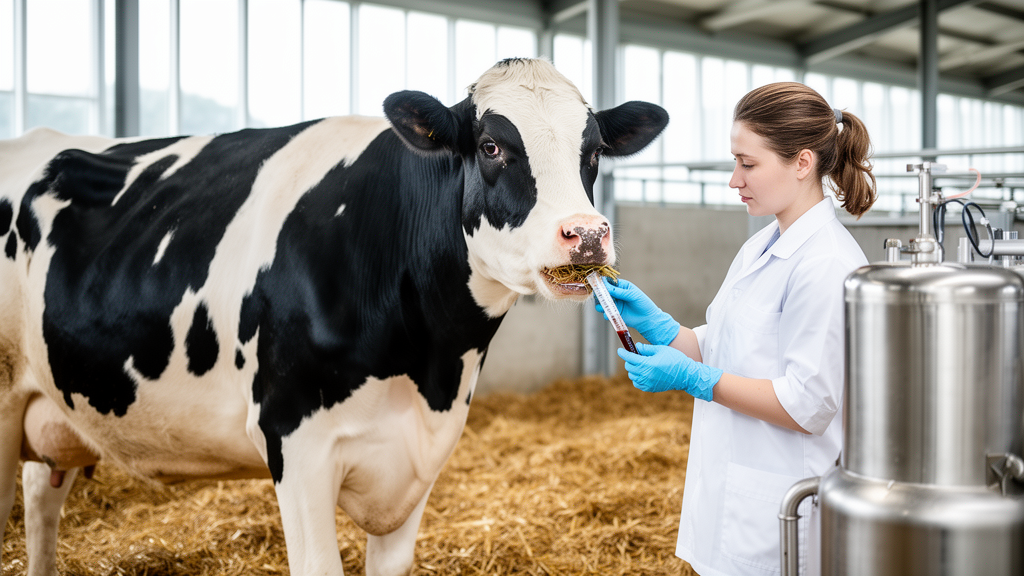
A metagenomic study of dairy cattle has found that cows with sustained high milk productivity carry a noticeably heavier load of antibiotic resistance, biocide and metal resistance, and virulence genes in their rumens than equally long-lived but low-yielding herdmates. The work, published in the journal Animal Microbiome, compared the rumen and rectum microbiomes of long-lived high-yielding (LH) and long-lived low-yielding (LL) cows to map where resistance and virulence genes reside and how likely they are to move between bacteria.
The researchers used metagenomic sequencing, which reads the collective genetic material of the microbial communities living in each gut compartment, to profile four categories of genes: antibiotic resistance genes (ARGs), biocide and metal resistance genes (BMRGs), virulence factor genes (VFGs), and mobile genetic elements (MGEs), the DNA vehicles such as plasmids, transposons and integrase elements that can shuttle genes between microbes through horizontal gene transfer.
In the rumen, the LH cows showed both higher relative abundances and greater numbers of enriched genes in every category measured. Enriched ARGs numbered 31 in LH cows versus 9 in LL cows, enriched BMRGs 32 versus 11, enriched VFGs 43 versus 16, and enriched MGEs 16 versus 9.
The rectum told a different story. No significant differences in the overall abundance of these gene categories were detected between the two groups in the hindgut, and the elements that were enriched appeared more frequently in the LL cows, though in smaller numbers: enriched ARGs were 7 in LL versus 5 in LH cows, BMRGs 6 versus 3, VFGs 5 versus 2, and MGEs 2 versus 1. This asymmetry suggests that the ruminal enrichment seen in high-yielding animals does not simply extend downstream through the digestive tract.
The team also examined whether resistance genes were physically linked to mobile DNA, a key indicator of dissemination potential. They did this by assembling sequencing reads into contigs and identifying antibiotic resistance contigs (ARCs) associated with plasmids. The proportion of plasmid-associated ARCs was lower in the rumen of LH cows, hinting that at least some of the extra resistance genes in these animals were not sitting on the most mobile plasmid backbones.
More broadly, neither the proportion nor the relative abundance of MGE-associated ARGs, BMRGs, or VFGs differed significantly between LH and LL cows in either the rumen or the rectum. In other words, although high-yielding cows carried more resistance and virulence genes overall in the rumen, the fraction of those genes physically tied to mobile elements was not elevated, which the authors interpret as the ruminal enrichment not being accompanied by a corresponding increase in dissemination-related genetic features in the hindgut.
Co-occurrence network analysis, which looks for genes that appear together on the same DNA fragments and therefore hints at horizontal gene transfer patterns, revealed distinct architectures between the two groups. In the hindgut of LH cows, integrase-related associations predominated, whereas transposase-related associations were more prominent in the hindgut of LL cows.
The study’s framing rests on a practical question for livestock production: strategies that expand populations of dairy cows with persistent, long-term productivity could potentially influence the composition and distribution of resistance and virulence genes within the gastrointestinal tract of dairy herds. Resistance and virulence factor genes are recognized as a major global public health concern, and livestock microbiomes are one environment where these genes circulate. The findings indicate that selection for productivity may shape which animals carry more of these genes, and where in the gut they accumulate.
The authors summarize the contrast plainly: LH cows exhibited greater enrichment of resistance- and virulence-related genes in the rumen than LL cows, yet no significant differences between groups emerged in the abundance of MGE-associated resistance or virulence genes in the rectum. Because mobile elements are the main conduits for spreading such genes among bacteria, the absence of elevated MGE linkage in the hindgut tempers the concern raised by the ruminal abundance figures alone.
As with any metagenomic comparison, the results describe associations between productivity phenotype and gene content in the sampled animals rather than demonstrating that high productivity causes resistance gene accumulation, and the detection of genes and mobile-element associations does not by itself establish that transfer occurs in vivo. The study, published open access on 18 September 2026, offers a compartment-specific baseline for monitoring how long-term selection in dairy herds reshapes the resistome and virulome of the cattle gut.
Subject of Research: Metagenomic comparison of antibiotic resistance, biocide and metal resistance, and virulence genes in the rumen and hindgut of dairy cows with differing long-term productivity
Article Title: Comparative metagenomic analysis of the resistome and virulome and their potential dissemination risk in the rumen and hindgut of dairy cows with differing long-term productivity
Article References: Yang, J., Wang, B., Feng, Y., Guo, S., Zhou, D., Lin, P., Wang, A., & Jin, Y. (2026). Comparative metagenomic analysis of the resistome and virulome and their potential dissemination risk in the rumen and hindgut of dairy cows with differing long-term productivity. Animal Microbiome. https://doi.org/10.1186/s42523-026-00610-4
Image Credits: AI Generated
DOI: 10.1186/s42523-026-00610-4
Keywords: dairy cows, metagenomics, antibiotic resistance genes, resistome, virulome, rumen, hindgut, mobile genetic elements, horizontal gene transfer, livestock, public health, Animal Microbiome
News Source: Juliet Wilcox. (October 30, 2026). High-Yielding Dairy Cows Carry More Resistance and Virulence Genes in the Rumen. Scienmag.



