

• HOME
  • NEWS
  • EXPLORE
    • CAREER
      • Companies
      • Jobs
    • EVENTS
    • iGEM
      • News
      • Team
    • PHOTOS
    • VIDEO
    • WIKI
  • BLOG
  • COMMUNITY
    • FACEBOOK
    • INSTAGRAM
    • TWITTER
Monday, November 2, 2026
BIOENGINEER.ORG
No Result
View All Result
  • Login
  • HOME
  • NEWS
  • EXPLORE
    • CAREER
      • Companies
      • Jobs
        • Lecturer
        • PhD Studentship
        • Postdoc
        • Research Assistant
    • EVENTS
    • iGEM
      • News
      • Team
    • PHOTOS
    • VIDEO
    • WIKI
  • BLOG
  • COMMUNITY
    • FACEBOOK
    • INSTAGRAM
    • TWITTER
No Result
View All Result
Bioengineer.org
No Result
View All Result
Home NEWS Science News Biology

Three Amino Acids Block and Break Down Candida and Staphylococcus Biofilms

by
October 30, 2026
in Biology
Reading Time: 2 mins read
0
Three Amino Acids Block and Break Down Candida and Staphylococcus Biofilms

Three Amino Acids Block and Break Down Candida and Staphylococcus Biofilms

Share on FacebookShare on TwitterShare on LinkedinShare on RedditShare on Telegram

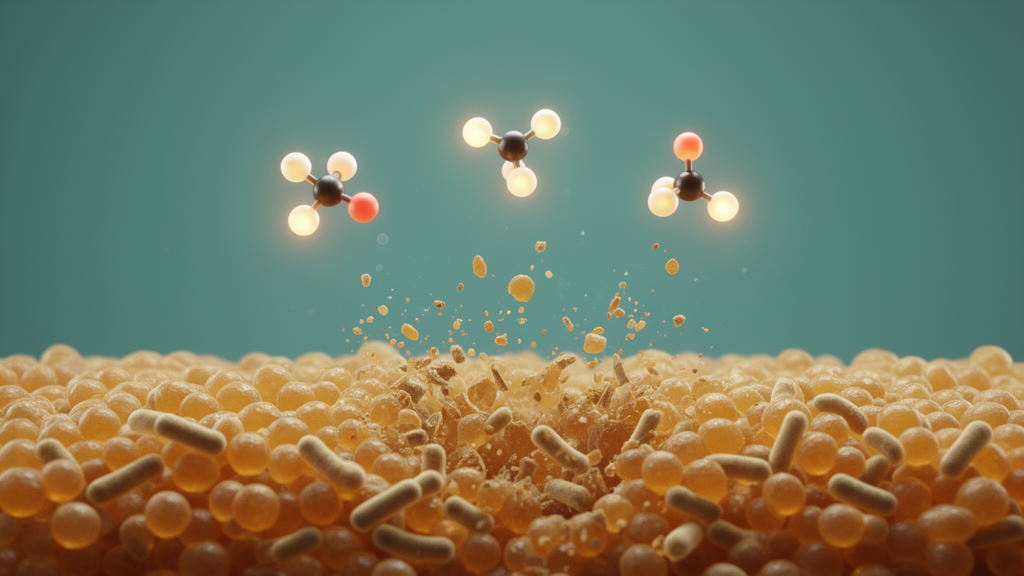
Aspartic acid, cysteine, and glutamic acid can both prevent biofilm formation and break down established biofilms of Candida albicans and Staphylococcus aureus, according to a peer-reviewed study published in BMC Microbiology on 24 October 2026. The research, led by James S. Goodwine, Megha Gulati, and Clarissa J. Nobile with colleagues including David R. Andes, examined naturally occurring L-amino acids as antibiofilm agents against these two major disease-causing microbes, testing them in single-species and dual-species settings.

Biofilms are surface-associated microbial communities that dominate natural and host-associated environments and act as major reservoirs for infections. The authors note that current therapeutics primarily target planktonic cells and are often ineffective against biofilms, which motivates the search for biofilm-specific strategies rather than yet another conventional antimicrobial.

In the study, administration of the three amino acids reduced both biofilm formation and established biofilm biomass for C. albicans, a fungus, and S. aureus, a bacterium, in each growth configuration tested.

The researchers also report a combination effect: composite amino acid treatment enhanced the activity of fluconazole, an antifungal drug, during C. albicans biofilm formation. The authors suggest that targeted amino acid administration, used alone or alongside existing antimicrobials, could offer a novel strategy for preventing and treating biofilm-associated infections.

Several caveats frame these findings. The work investigated laboratory biofilm models rather than clinical outcomes, so the results demonstrate activity in vitro and do not by themselves establish efficacy in patients. The article is being shared early as a peer-reviewed, accepted manuscript carrying a permanent DOI; this version remains subject to further edits before the final Version of Record replaces it. The authors position these findings as an indication of potential, a step toward biofilm-specific treatment strategies rather than a ready-made clinical intervention.

Subject of Research: Amino acid treatments that prevent and disrupt Candida albicans and Staphylococcus aureus biofilms

Article Title: Aspartic acid, cysteine, and glutamic acid prevent biofilm formation and disrupt mature biofilms of Candida albicans and Staphylococcus aureus

Article References: Goodwine, J. S., Gulati, M., Ennis, C. L., Ikeh, M. A. C., Gunasekaran, D., Sanchez, H., Valle Arevalo, A., Martorano-Fernandes, L., Madrigal, M. I., Hernday, A. D., Andes, D. R., & Nobile, C. J. (2026). Aspartic acid, cysteine, and glutamic acid prevent biofilm formation and disrupt mature biofilms of Candida albicans and Staphylococcus aureus. BMC Microbiology. https://doi.org/10.1186/s12866-026-05794-y

Image Credits: AI Generated

DOI: 10.1186/s12866-026-05794-y

Keywords: Candida albicans, Staphylococcus aureus, biofilms, amino acids, aspartic acid, cysteine, glutamic acid, fluconazole, antimicrobial resistance, BMC Microbiology, Aspartic, acid

News Source: Kristina Jarvis. (October 30, 2026). Three Amino Acids Block and Break Down Candida and Staphylococcus Biofilms. Scienmag.


Tags: acidamino acidsAntimicrobial ResistanceAsparticaspartic acidbiofilmsBMC MicrobiologyCandida albicanscysteinefluconazoleglutamic acidStaphylococcus aureus
Share12Tweet7Share2ShareShareShare1

Related Posts

Microbial Sources and Stress Shape the Hidden Endophytes of an Invasive Plant

Microbial Sources and Stress Shape the Hidden Endophytes of an Invasive Plant

October 30, 2026
Firebreaks Leave Lasting Scars in Grasslands While Wildfire Heals Fast

Firebreaks Leave Lasting Scars in Grasslands While Wildfire Heals Fast

October 30, 2026

Hidden Peptides in Non-Coding RNAs Reshape Cardiovascular Biology

October 30, 2026

Phage K Holin’s C-Terminal Region Shapes Antibacterial Activity, Study Finds

October 30, 2026

POPULAR NEWS

  • Microbial Sources and Stress Shape the Hidden Endophytes of an Invasive Plant

    Microbial Sources and Stress Shape the Hidden Endophytes of an Invasive Plant

    29 shares
    Share 12 Tweet 7
  • Firebreaks Leave Lasting Scars in Grasslands While Wildfire Heals Fast

    29 shares
    Share 12 Tweet 7
  • ZNF207 shields glutamine transporter ASCT2 from degradation to fuel liver cancer growth

    29 shares
    Share 12 Tweet 7
  • Systematic review maps sustainability tensions in offshore wind development

    29 shares
    Share 12 Tweet 7

About

We bring you the latest biotechnology news from best research centers and universities around the world. Check our website.

Follow us

Recent News

Microbial Sources and Stress Shape the Hidden Endophytes of an Invasive Plant

Firebreaks Leave Lasting Scars in Grasslands While Wildfire Heals Fast

ZNF207 shields glutamine transporter ASCT2 from degradation to fuel liver cancer growth

Subscribe to Blog via Email

Enter your email address to subscribe to this blog and receive notifications of new posts by email.

Join 86 other subscribers
  • Contact Us

Bioengineer.org © Copyright 2023 All Rights Reserved.

Welcome Back!

Login to your account below

Forgotten Password?

Retrieve your password

Please enter your username or email address to reset your password.

Log In
No Result
View All Result
  • Homepages
    • Home Page 1
    • Home Page 2
  • News
  • National
  • Business
  • Health
  • Lifestyle
  • Science

Bioengineer.org © Copyright 2023 All Rights Reserved.
