


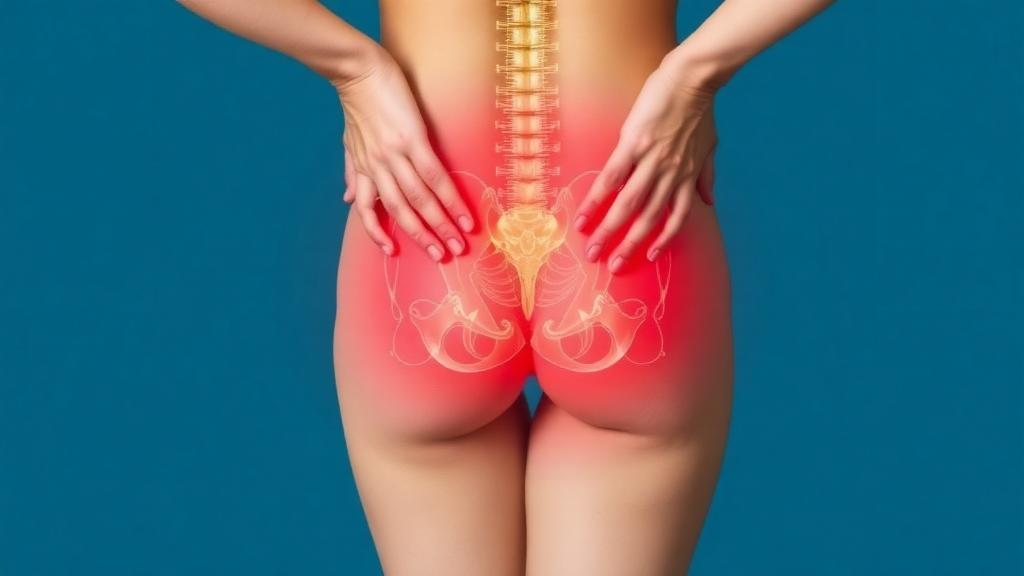
A systematic review and meta-analysis published in Advances in Rheumatology on 10 September 2026 estimates that fibromyalgia affects roughly one in ten women with chronic pelvic pain, with a pooled prevalence of 9.0% after random-effects adjustment and a raw mean of 10.3% across the included studies. The work was registered in PROSPERO (CRD420251142371) and followed the Preferred Reporting Items for Systematic Reviews and Meta-Analyses guidelines.
The research team searched eight databases without time restrictions, including observational studies and clinical trials of women aged 13 years or older with chronic pelvic pain that reported fibromyalgia prevalence. Ten studies met the criteria, together encompassing 52,658 participants. Most of the evidence came from the United States, and the studies were predominantly cross-sectional designs and retrospective cohorts. Statistical analysis used a random-effects model in R software, with heterogeneity assessed through Cochran’s Q and Higgins’ I² statistics.
The headline number conceals a strikingly wide range. Reported prevalence across the included studies spanned from 2% to 16%, and the authors attribute this spread to differences in the populations studied, the pain phenotypes involved, and the diagnostic methods used to identify fibromyalgia. Statistical heterogeneity was high, with an I² of 91.4%, meaning that only a small fraction of the variation between studies can be explained by chance alone rather than by real differences in methods and participants.
That heterogeneity shapes how the findings should be read. The authors conclude that the available evidence suggests a potential overlap between fibromyalgia and chronic pelvic pain, particularly in some urological pelvic pain populations, but they caution that substantial clinical and methodological heterogeneity limits the generalizability of the results, which should be interpreted cautiously. In practical terms, the pooled 9.0% figure is best understood as a summary of a varied body of observational research rather than a single precise estimate applicable to every clinical setting.
The review also set out to map the associated conditions that have been investigated alongside fibromyalgia in this population, reflecting a broader research interest in how chronic pelvic pain coexists with other pain conditions. Because the included studies were observational or trial-based prevalence reports rather than controlled comparisons, the analysis establishes how often the two conditions occur together in the studied groups; it does not establish that one condition causes the other. The predominance of US-based, cross-sectional and retrospective data further limits what can be said about other regions and about incidence over time.
The authors emphasize, however, that the reported prevalence range reflected differences in population, pain phenotype, and diagnostic methods, and they caution that the findings should be interpreted cautiously. The article was published as open access, and the version shared early is citable with a permanent DOI while remaining subject to further editorial edits before the final Version of Record.
Subject of Research: The prevalence of fibromyalgia among women with chronic pelvic pain, assessed through a systematic review and meta-analysis.
Article Title: Prevalence of fibromyalgia in women with chronic pelvic pain: a systematic review and meta-analysis
Article References: Silva, A. F. D., Nogueira Neto, J., Soares, M. L., Silva, A. L. S. D., Silva Junior, A. F. D., Silva, A. L. S. D., Álvares, L. G. G. S., Velozo, A. C. S., Gomes, L. M. R. D. S., & Leal, P. D. C. (2026). Prevalence of fibromyalgia in women with chronic pelvic pain: a systematic review and meta-analysis. Advances in Rheumatology. https://doi.org/10.1186/s42358-026-00573-9
Image Credits: AI Generated
DOI: 10.1186/s42358-026-00573-9
Keywords: fibromyalgia, chronic pelvic pain, systematic review, meta-analysis, prevalence, women's health, rheumatology, heterogeneity, observational studies, pain research, women, chronic
News Source: Ophelia Keating. (October 29, 2026). Fibromyalgia Affects About One in Ten Women with Chronic Pelvic Pain, Review Finds. Scienmag.



