• HOME
  • NEWS
  • EXPLORE
    • CAREER
      • Companies
      • Jobs
    • EVENTS
    • iGEM
      • News
      • Team
    • PHOTOS
    • VIDEO
    • WIKI
  • BLOG
  • COMMUNITY
    • FACEBOOK
    • INSTAGRAM
    • TWITTER
Wednesday, September 2, 2026
BIOENGINEER.ORG
No Result
View All Result
  • Login
  • HOME
  • NEWS
  • EXPLORE
    • CAREER
      • Companies
      • Jobs
        • Lecturer
        • PhD Studentship
        • Postdoc
        • Research Assistant
    • EVENTS
    • iGEM
      • News
      • Team
    • PHOTOS
    • VIDEO
    • WIKI
  • BLOG
  • COMMUNITY
    • FACEBOOK
    • INSTAGRAM
    • TWITTER
  • HOME
  • NEWS
  • EXPLORE
    • CAREER
      • Companies
      • Jobs
        • Lecturer
        • PhD Studentship
        • Postdoc
        • Research Assistant
    • EVENTS
    • iGEM
      • News
      • Team
    • PHOTOS
    • VIDEO
    • WIKI
  • BLOG
  • COMMUNITY
    • FACEBOOK
    • INSTAGRAM
    • TWITTER
No Result
View All Result
Bioengineer.org
No Result
View All Result
Home NEWS Science News

Public’s poor knowledge of anatomy may hamper healthcare

Bioengineer by Bioengineer
November 7, 2017
in Science News
Reading Time: 2 mins read
0
Share on FacebookShare on TwitterShare on LinkedinShare on RedditShare on Telegram
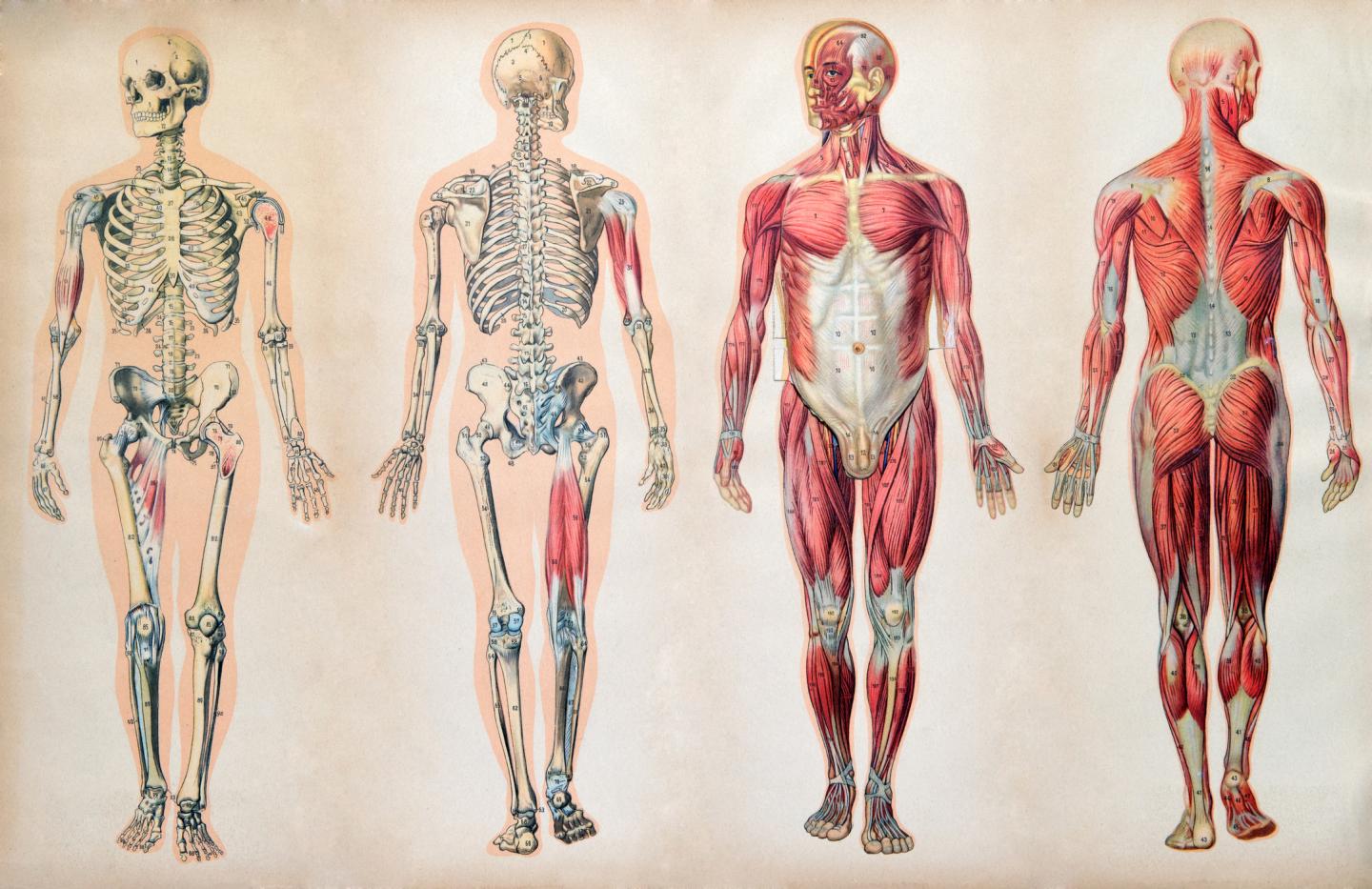
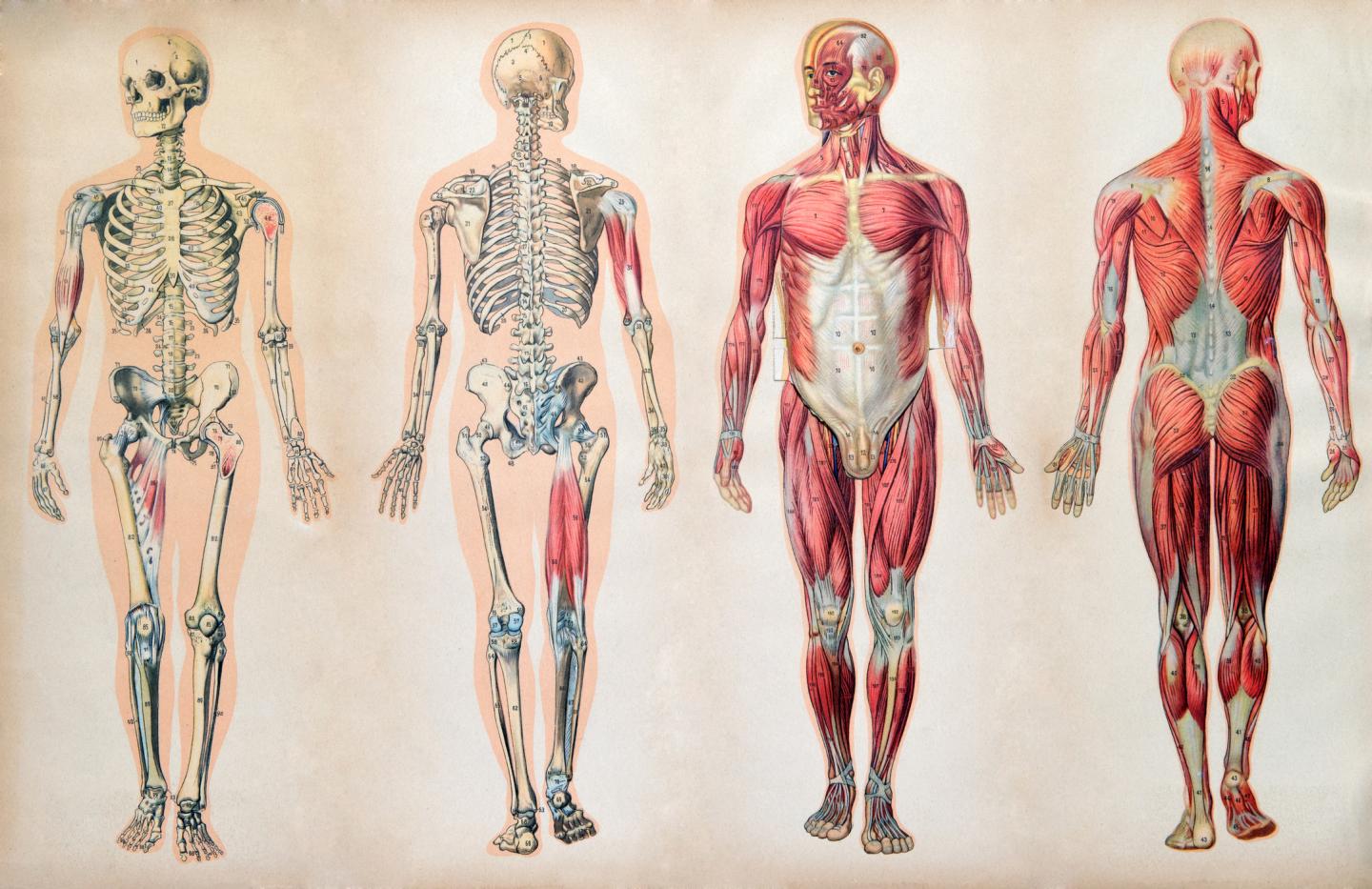
IMAGE

Credit: Lancaster University

Health screening campaigns which target a specific organ may lack effectiveness if the public have a poor knowledge of anatomy say researchers.

Middle-aged non-graduates scored better than young graduates in an anatomical quiz given to the public by researchers from Lancaster Medical School.

Dr Adam Taylor said: "Whilst many of the public do not have or need formal anatomical knowledge, it is beneficial in monitoring and explaining their own health."

Members of the public were asked to place the following on a blank template of a human body; the brain, cornea, lungs, liver, diaphragm, heart, stomach, appendix, bladder, kidneys, pancreas, gallbladder, spleen, adrenals, thyroid, hamstrings, biceps, triceps, quadriceps, cruciate ligament and Achilles tendon.

These terms were chosen based on mentions in everyday life such as keeping fit, sports injuries, TV shows and online searches for abdominal pain.

The only organ which 100% of people answered correctly was the brain.

The biceps muscle and the cornea were the next most correctly answered structures.

The organs which the public knew least about were the adrenal glands which less than 15% of people could identify and many thought

mistakenly were in the neck.

  • Men scored higher than women in identifying muscles but not internal organs.
  • Graduates did not score better than non-graduates
  • Older people scored higher than young people, peaking in the 40-49 age group which may be because this is when people begin visiting the doctor more often
  • People working in any health-related job scored significantly higher than people in other jobs.
  • People who had visited a healthcare professional prior to the quiz fared no better than those who had not.

Dr Taylor said the quiz revealed the public's eagerness to learn anatomy despite their limited knowledge of the human body.

###

Media Contact

Gillian Whitworth
[email protected]
44-152-459-2612

http://www.lancs.ac.uk

Related Journal Article

http://dx.doi.org/10.1002/ase.1746

Share12Tweet8Share2ShareShareShare2

Related Posts

β-Sitosterol from Ipomoea carnea Jacq. As a promising anti-inflammatory agent: Evidence from in silico modeling and in vitro validation

β-Sitosterol from Ipomoea carnea Jacq. As a promising anti-inflammatory agent: Evidence from in silico modeling and in vitro validation

August 31, 2026
Design, fabrication and characterization of a wearable Fiber Bragg grating sensor for cardiorespiratory monitoring using finger plethysmography

Design, fabrication and characterization of a wearable Fiber Bragg grating sensor for cardiorespiratory monitoring using finger plethysmography

August 31, 2026

KAIST opens the era of industrial-scale microbial foods, proposing growth strategies for the next-generation protein market

August 31, 2026

Virologist awarded $2 million NIH grant to investigate how virus-infected cells live and die

August 31, 2026
Please login to join discussion

POPULAR NEWS

  • β-Sitosterol from Ipomoea carnea Jacq. As a promising anti-inflammatory agent: Evidence from in silico modeling and in vitro validation

    29 shares
    Share 12 Tweet 7
  • Design, fabrication and characterization of a wearable Fiber Bragg grating sensor for cardiorespiratory monitoring using finger plethysmography

    29 shares
    Share 12 Tweet 7
  • KAIST opens the era of industrial-scale microbial foods, proposing growth strategies for the next-generation protein market

    29 shares
    Share 12 Tweet 7
  • Virologist awarded $2 million NIH grant to investigate how virus-infected cells live and die

    29 shares
    Share 12 Tweet 7

About

We bring you the latest biotechnology news from best research centers and universities around the world. Check our website.

Follow us

Recent News

β-Sitosterol from Ipomoea carnea Jacq. As a promising anti-inflammatory agent: Evidence from in silico modeling and in vitro validation

Design, fabrication and characterization of a wearable Fiber Bragg grating sensor for cardiorespiratory monitoring using finger plethysmography

KAIST opens the era of industrial-scale microbial foods, proposing growth strategies for the next-generation protein market

Subscribe to Blog via Email

Success! An email was just sent to confirm your subscription. Please find the email now and click 'Confirm' to start subscribing.

Join 85 other subscribers
  • Contact Us

Bioengineer.org © Copyright 2023 All Rights Reserved.

Welcome Back!

Login to your account below

Forgotten Password?

Retrieve your password

Please enter your username or email address to reset your password.

Log In
No Result
View All Result
  • Homepages
    • Home Page 1
    • Home Page 2
  • News
  • National
  • Business
  • Health
  • Lifestyle
  • Science

Bioengineer.org © Copyright 2023 All Rights Reserved.