


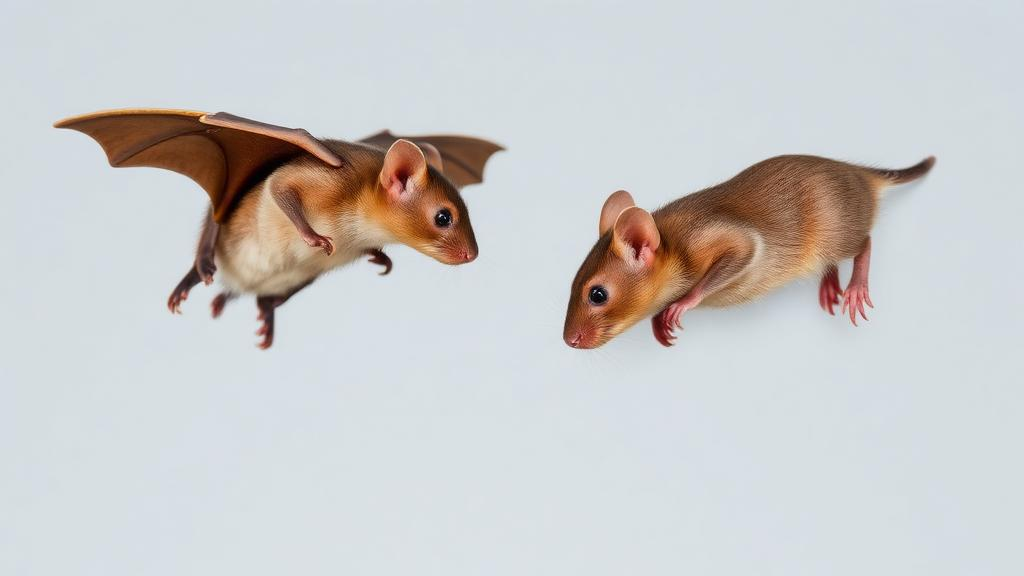
Bats do not suffer less disease from viral infections than other mammals, according to a synthesis of 86 years of experimental infection studies published in PLOS Biology. The analysis, compiled by Maxwell J. Farrell, Samantha K. Tucker, Nardus Mollentze and Daniel G. Streicker, drew on experiments involving 54 viruses, 85 host species and more than 5,600 animals. It found that the occurrence of overt disease, the likelihood of mortality and the severity of disease in bats were indistinguishable from those experienced by rodents, another mammalian group frequently associated with zoonotic viruses.
The findings challenge a widespread assumption that has shaped virology research for years. A common explanation for bats being a conspicuous source of zoonotic viruses is their purported ability to coexist with viruses without suffering overt disease. Acceptance of that idea has catalyzed the discovery of unusual features of bat immune systems, which researchers have pursued for their potential translational value as broad-spectrum antivirals. Yet whether bats actually suffer less disease from co-evolved viruses, or from viruses generally, had not previously been formally assessed.
The new analysis documented disease in bats following inoculation by taxonomically diverse viruses, including some that are relatively benign in humans. Importantly, the pattern held under conditions designed to test alternative explanations. When the researchers considered only bat-associated viruses inoculated into bats and rodent-associated viruses inoculated into rodents, outcomes remained comparable. The same was true among inoculations that lacked shared co-evolutionary history between virus and host, meaning the similarity was not an artifact of pairing viruses with their natural hosts.
Instead of host order alone, disease outcomes following infection were shaped by experimental design, viral host range and evolutionary context. These results suggest that order-level host life history traits such as flight have inconsistent consequences for antiviral immunity, and they highlight the need to evaluate the functional properties of putatively unique features of bat immunity in living animals rather than inferring them from molecular studies alone.
The authors note that the results do not exclude the possibility of developing broader-acting or more potent antivirals from bat immune systems, nor do they diminish the potential value of mechanistic insights into bat immunity. However, they suggest that bat immune systems were shaped by conventional co-evolutionary processes rather than through unique circumstances that endow exceptional antiviral defenses. Because the evidence comes from experimentally inoculated animals in controlled studies, the findings speak to infection outcomes under laboratory conditions; they indicate that exceptional viral tolerance cannot explain why bats stand out as sources of zoonotic viruses, leaving other factors to account for that pattern.
Subject of Research: Comparative disease outcomes in experimentally infected bats and rodents
Article Title: Viral disease outcomes are indistinguishable between experimentally infected bats and rodents
Article References: Farrell, M. J., Tucker, S. K., Mollentze, N., & Streicker, D. G. (2026). Viral disease outcomes are indistinguishable between experimentally infected bats and rodents. PLOS Biology, 24(10), e3004053. https://doi.org/10.1371/journal.pbio.3004053
Image Credits: AI Generated
DOI: 10.1371/journal.pbio.3004053
Keywords: bats, rodents, experimental infection, zoonotic viruses, disease severity, bat immunity, viral host range, co-evolution, antiviral research, PLOS Biology, Viral, disease
News Source: Kristina Jarvis. (October 29, 2026). Bats and rodents show similar disease outcomes in experimental virus infections. Scienmag.



