

• HOME
  • NEWS
  • EXPLORE
    • CAREER
      • Companies
      • Jobs
    • EVENTS
    • iGEM
      • News
      • Team
    • PHOTOS
    • VIDEO
    • WIKI
  • BLOG
  • COMMUNITY
    • FACEBOOK
    • INSTAGRAM
    • TWITTER
Friday, October 30, 2026
BIOENGINEER.ORG
No Result
View All Result
  • Login
  • HOME
  • NEWS
  • EXPLORE
    • CAREER
      • Companies
      • Jobs
        • Lecturer
        • PhD Studentship
        • Postdoc
        • Research Assistant
    • EVENTS
    • iGEM
      • News
      • Team
    • PHOTOS
    • VIDEO
    • WIKI
  • BLOG
  • COMMUNITY
    • FACEBOOK
    • INSTAGRAM
    • TWITTER
No Result
View All Result
Bioengineer.org
No Result
View All Result
Home NEWS Science News Health

Snakebite in Kenya hits poorest rural communities hardest, review finds

by
October 29, 2026
in Health
Reading Time: 2 mins read
0
Snakebite in Kenya hits poorest rural communities hardest, review finds

Snakebite in Kenya hits poorest rural communities hardest, review finds

Share on FacebookShare on TwitterShare on LinkedinShare on RedditShare on Telegram

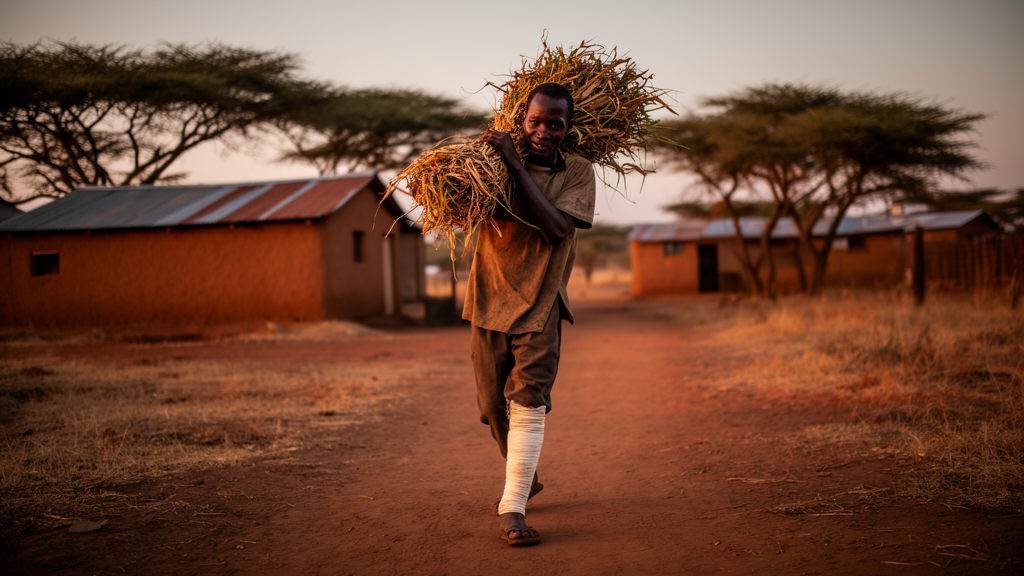
Snakebite envenoming in Kenya is concentrated among poorer, rural populations, and is more consistently linked to livelihoods and housing conditions than to seasonality or time of day, according to a systematic review published in PLOS Global Public Health.

Researchers led by Eleanor Collinson carried out a narrative systematic review that deliberately combined peer-reviewed studies with grey literature, an approach recommended by earlier snakebite publications because globally available studies remain limited. The team appraised academic studies using the Mixed Methods Appraisal Tool and assessed grey literature against the Authority, Accuracy, Coverage, Date and Significance guidelines.

The synthesis drew on 16 eligible peer-reviewed studies and 4 grey literature sources published between 1994 and 2025, examining determinants of snakebite risk and outcomes across Kenya. Because the number of eligible studies was small and the study types highly heterogeneous, the authors conducted a thematic narrative synthesis rather than a statistical meta-analysis.

In total, 25 variables clustered into four domains were assessed, spanning human demographic factors and environmental exposures. The review concurred with established international literature in identifying rurality, poverty and farming as factors that increase snakebite risk.

However, the analysis also highlighted discrepancies with global data. Several studies reported no seasonal variation in bites, or more bites in the dry season; bites were reported to occur equally in the day and the night in some studies; and no significant gender difference was observed in several reports.

The authors concluded that the overall findings converge on a consistent picture: snakebite envenoming in Kenya is concentrated among poorer, rural populations, and is more consistently linked to livelihoods and housing conditions than to seasonality or temporality. They also cautioned that the actual burden of snakebite and the species responsible for bites remain poorly understood, underscoring the value of incorporating grey literature to build a more accurate picture of the burden of this neglected tropical disease.

Subject of Research: Risk factors for snakebite in Kenya, synthesised from academic and grey literature

Article Title: A narrative systematic review of snakebite risk factors in Kenya, incorporating grey and academic literature

Article References: Collinson, E., Gumbs, R., Lees, S., & Bowmer, A. (2026). A narrative systematic review of snakebite risk factors in Kenya, incorporating grey and academic literature. PLOS Global Public Health, 6(10), e0006344. https://doi.org/10.1371/journal.pgph.0006344

Image Credits: AI Generated

DOI: 10.1371/journal.pgph.0006344

Keywords: snakebite, Kenya, neglected tropical disease, systematic review, grey literature, rurality, poverty, farming, envenoming, public health, narrative, systematic

News Source: Phoebe Ingram. (October 29, 2026). Snakebite in Kenya hits poorest rural communities hardest, review finds. Scienmag.


Tags: envenomingfarminggrey literatureKenyanarrativeneglected tropical diseasepovertyPublic HealthruralitysnakebiteSystematicsystematic review
Share12Tweet7Share2ShareShareShare1

Related Posts

ZNF207 shields glutamine transporter ASCT2 from degradation to fuel liver cancer growth

ZNF207 shields glutamine transporter ASCT2 from degradation to fuel liver cancer growth

October 30, 2026
Most Ethiopian HIV patients on dolutegravir therapy show good knowledge, survey finds

Most Ethiopian HIV patients on dolutegravir therapy show good knowledge, survey finds

October 30, 2026

Serum and urine protein biomarkers may sharpen prostate cancer detection beyond PSA

October 30, 2026

One gene locus flags atrial fibrillation risk after major surgery, UK Biobank study finds

October 30, 2026

POPULAR NEWS

  • Microbial Sources and Stress Shape the Hidden Endophytes of an Invasive Plant

    Microbial Sources and Stress Shape the Hidden Endophytes of an Invasive Plant

    29 shares
    Share 12 Tweet 7
  • Firebreaks Leave Lasting Scars in Grasslands While Wildfire Heals Fast

    29 shares
    Share 12 Tweet 7
  • ZNF207 shields glutamine transporter ASCT2 from degradation to fuel liver cancer growth

    29 shares
    Share 12 Tweet 7
  • Systematic review maps sustainability tensions in offshore wind development

    29 shares
    Share 12 Tweet 7

About

We bring you the latest biotechnology news from best research centers and universities around the world. Check our website.

Follow us

Recent News

Microbial Sources and Stress Shape the Hidden Endophytes of an Invasive Plant

Firebreaks Leave Lasting Scars in Grasslands While Wildfire Heals Fast

ZNF207 shields glutamine transporter ASCT2 from degradation to fuel liver cancer growth

Subscribe to Blog via Email

Enter your email address to subscribe to this blog and receive notifications of new posts by email.

Join 86 other subscribers
  • Contact Us

Bioengineer.org © Copyright 2023 All Rights Reserved.

Welcome Back!

Login to your account below

Forgotten Password?

Retrieve your password

Please enter your username or email address to reset your password.

Log In
No Result
View All Result
  • Homepages
    • Home Page 1
    • Home Page 2
  • News
  • National
  • Business
  • Health
  • Lifestyle
  • Science

Bioengineer.org © Copyright 2023 All Rights Reserved.
