

• HOME
  • NEWS
  • EXPLORE
    • CAREER
      • Companies
      • Jobs
    • EVENTS
    • iGEM
      • News
      • Team
    • PHOTOS
    • VIDEO
    • WIKI
  • BLOG
  • COMMUNITY
    • FACEBOOK
    • INSTAGRAM
    • TWITTER
Saturday, February 7, 2026
BIOENGINEER.ORG
No Result
View All Result
  • Login
  • HOME
  • NEWS
  • EXPLORE
    • CAREER
      • Companies
      • Jobs
        • Lecturer
        • PhD Studentship
        • Postdoc
        • Research Assistant
    • EVENTS
    • iGEM
      • News
      • Team
    • PHOTOS
    • VIDEO
    • WIKI
  • BLOG
  • COMMUNITY
    • FACEBOOK
    • INSTAGRAM
    • TWITTER
  • HOME
  • NEWS
  • EXPLORE
    • CAREER
      • Companies
      • Jobs
        • Lecturer
        • PhD Studentship
        • Postdoc
        • Research Assistant
    • EVENTS
    • iGEM
      • News
      • Team
    • PHOTOS
    • VIDEO
    • WIKI
  • BLOG
  • COMMUNITY
    • FACEBOOK
    • INSTAGRAM
    • TWITTER
No Result
View All Result
Bioengineer.org
No Result
View All Result
Home NEWS Science News Biology

A step closer to a cure for adult-onset diabetes

Bioengineer by Bioengineer
October 23, 2017
in Biology
Reading Time: 2 mins read
0
Share on FacebookShare on TwitterShare on LinkedinShare on RedditShare on Telegram
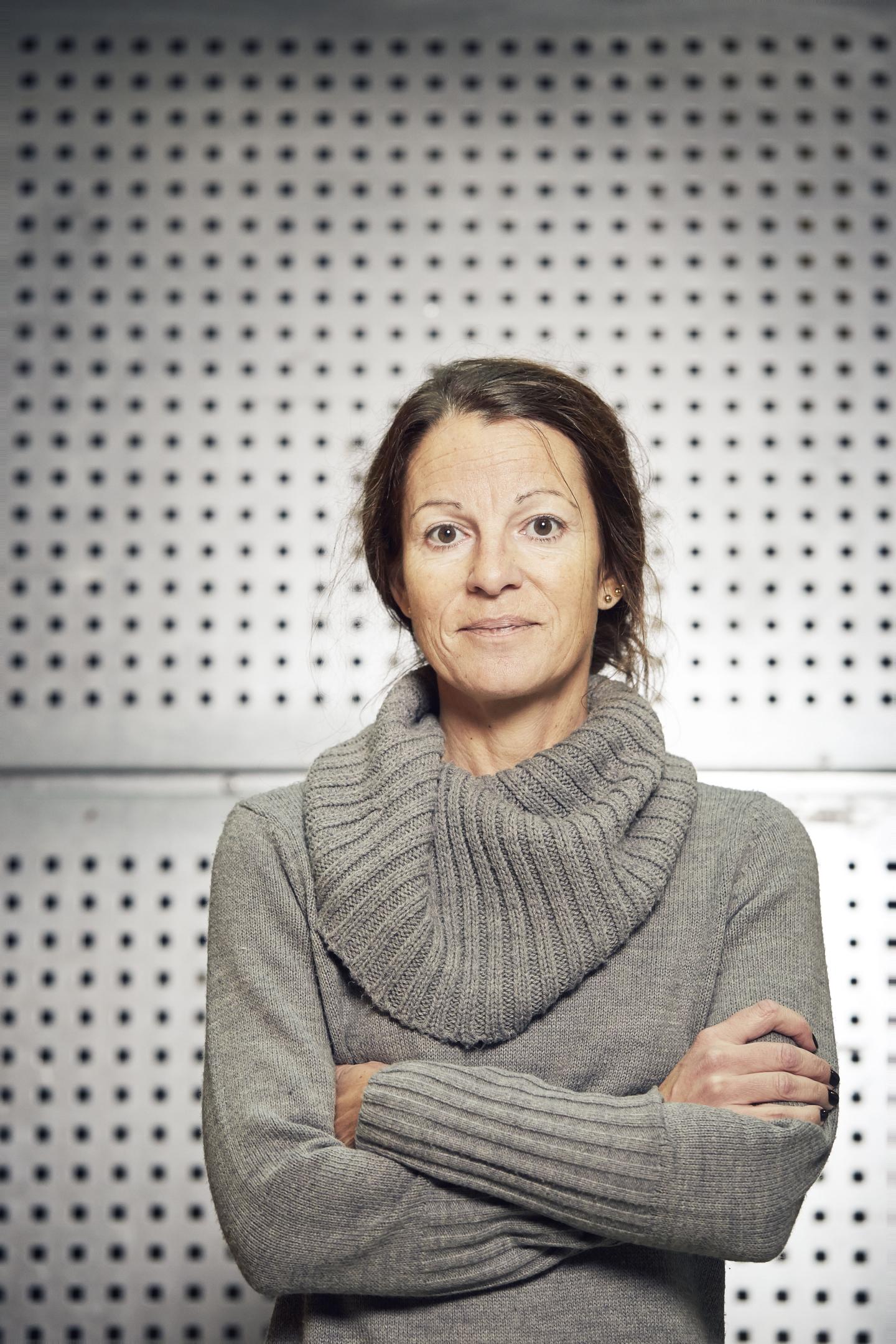
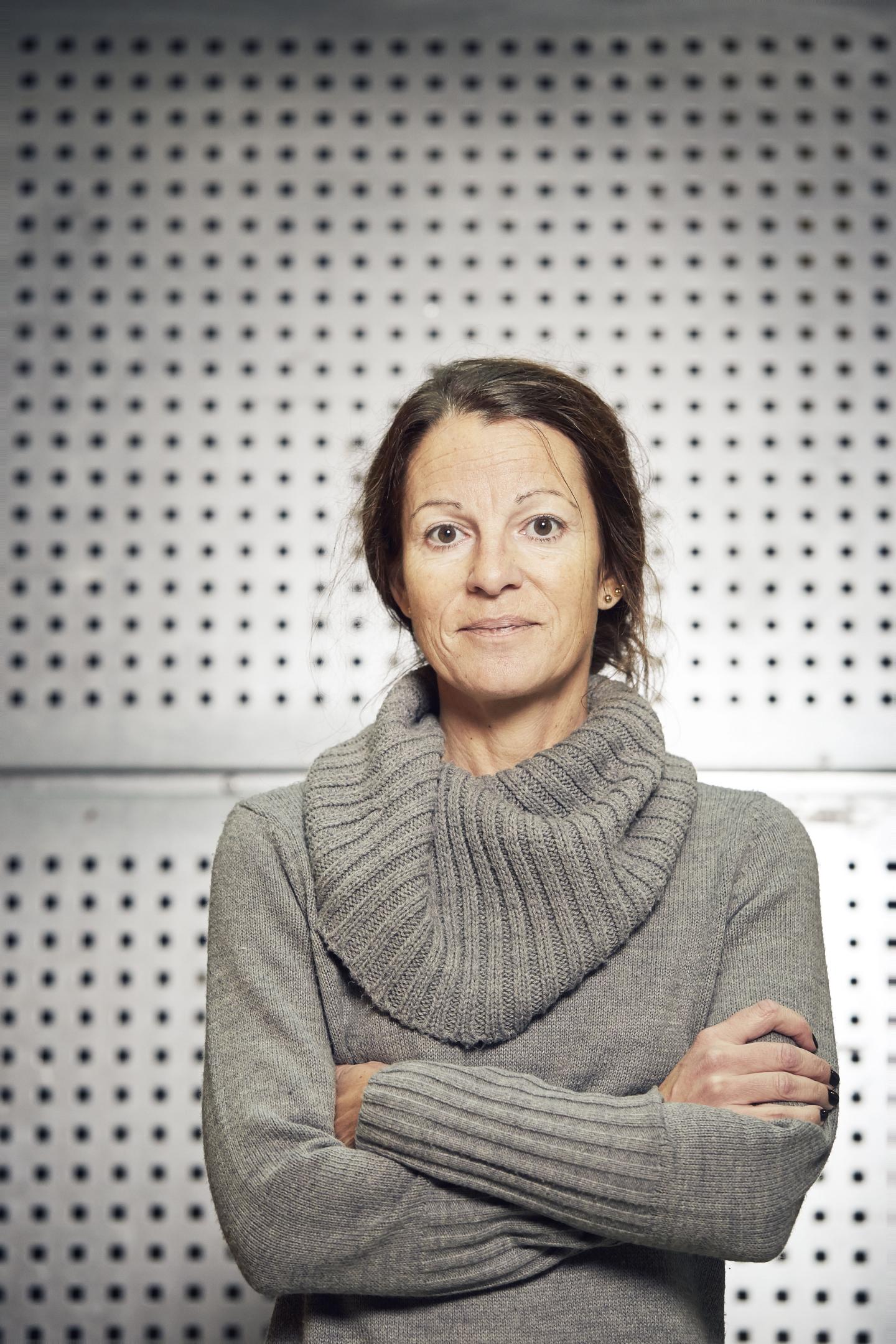
IMAGE

Credit: Anna-Lena Lundqvist/Chalmers University of Technology

In healthy people, exosomes – tiny structures secreted by cells to allow intercellular communication – prevent clumping of the protein that leads to type 2 diabetes. Exosomes in patients with the disease don't have the same ability. This discovery by a research collaboration between Chalmers University of Technology and Astrazeneca takes us a step closer to a cure for type 2 diabetes.

Proteins are the body's workhorses, carrying out all the tasks in our cells. A protein is a long chain of amino acids that must be folded into a specific three-dimensional structure to work. Sometimes, however, they behave incorrectly and aggregate – clump together – into long fibres called amyloids, which can cause diseases. It was previously known that type 2 diabetes is caused by a protein aggregating in the pancreas.

"What we've found is that exosomes secreted by the cells in the pancreas stop that process in healthy people and protect them from type 2 diabetes, while the exosomes of diabetes patients do not," says Professor Pernilla Wittung Stafshede, who headed the study whose results were recently published in the Proceedings of the National Academy of Sciences, PNAS.

What we know now is that "healthy" exosomes bind the protein that causes diabetes on the outside, preventing it from aggregating; however, the results do not explain why. We also don't know if type 2 diabetes is caused by "sick" exosomes or if the disease itself causes them to malfunction.

"The next step is to make controlled models of the exosomes, whose membranes contain lipids and proteins, to understand exactly what component affects the diabetes protein. If we can find which lipid or protein in the exosome membrane leads to that effect, and can work out the mechanism, then we'll have a good target for development of treatment for type 2 diabetes."

The study is actually a part of industrial doctoral student Diana Ribeiro's thesis work, and a collaboration between Chalmers and Astrazeneca.

"She came up with the idea for the project herself," says Wittung Stafshede, who is also Ribeiro's academic advisor at Chalmers. "She had done some research on exosomes before and I had read a bit about their potential. It's a fairly new and unexplored field, and honestly I didn't think the experiments would work. Diana had access to pancreatic cells through Astrazeneca – something we'd never had access to before – and she conducted the studies very thoroughly, and this led us to our discovery."

This is the first time that Wittung Stafshede has worked with Astrazeneca.

"We ought to collaborate more. It's beneficial to them to understand what molecular experiments we can carry out, and it's valuable for us to be able to put our research into a wider medical-clinical perspective. In the search for a future cure for type 2 diabetes, it's also good for us to already be working with a pharmaceutical company."

###

Media Contact

Christian Borg
[email protected]
46-317-723-395
@chalmersuniv

http://www.chalmers.se/en/

Original Source

http://www.chalmers.se/en/news/pressreleases/Pages/default.aspx http://dx.doi.org/10.1073/pnas.1711389114
Share12Tweet8Share2ShareShareShare2

Related Posts

Florida Cane Toad: Complex Spread and Selective Evolution

Florida Cane Toad: Complex Spread and Selective Evolution

February 7, 2026
New Study Uncovers Mechanism Behind Burn Pit Particulate Matter–Induced Lung Inflammation

New Study Uncovers Mechanism Behind Burn Pit Particulate Matter–Induced Lung Inflammation

February 6, 2026

DeepBlastoid: Advancing Automated and Efficient Evaluation of Human Blastoids with Deep Learning

February 6, 2026

Navigating the Gut: The Role of Formic Acid in the Microbiome

February 6, 2026
Please login to join discussion

POPULAR NEWS

  • Robotic Ureteral Reconstruction: A Novel Approach

    Robotic Ureteral Reconstruction: A Novel Approach

    82 shares
    Share 33 Tweet 21
  • Digital Privacy: Health Data Control in Incarceration

    63 shares
    Share 25 Tweet 16
  • Study Reveals Lipid Accumulation in ME/CFS Cells

    57 shares
    Share 23 Tweet 14
  • Breakthrough in RNA Research Accelerates Medical Innovations Timeline

    53 shares
    Share 21 Tweet 13

About

We bring you the latest biotechnology news from best research centers and universities around the world. Check our website.

Follow us

Recent News

Digital Health Perspectives from Baltic Sea Experts

Florida Cane Toad: Complex Spread and Selective Evolution

Exploring Decision-Making in Dementia Caregivers’ Mobility

Subscribe to Blog via Email

Enter your email address to subscribe to this blog and receive notifications of new posts by email.

Join 73 other subscribers
  • Contact Us

Bioengineer.org © Copyright 2023 All Rights Reserved.

Welcome Back!

Login to your account below

Forgotten Password?

Retrieve your password

Please enter your username or email address to reset your password.

Log In
No Result
View All Result
  • Homepages
    • Home Page 1
    • Home Page 2
  • News
  • National
  • Business
  • Health
  • Lifestyle
  • Science

Bioengineer.org © Copyright 2023 All Rights Reserved.