

• HOME
  • NEWS
  • EXPLORE
    • CAREER
      • Companies
      • Jobs
    • EVENTS
    • iGEM
      • News
      • Team
    • PHOTOS
    • VIDEO
    • WIKI
  • BLOG
  • COMMUNITY
    • FACEBOOK
    • INSTAGRAM
    • TWITTER
Saturday, October 31, 2026
BIOENGINEER.ORG
No Result
View All Result
  • Login
  • HOME
  • NEWS
  • EXPLORE
    • CAREER
      • Companies
      • Jobs
        • Lecturer
        • PhD Studentship
        • Postdoc
        • Research Assistant
    • EVENTS
    • iGEM
      • News
      • Team
    • PHOTOS
    • VIDEO
    • WIKI
  • BLOG
  • COMMUNITY
    • FACEBOOK
    • INSTAGRAM
    • TWITTER
No Result
View All Result
Bioengineer.org
No Result
View All Result
Home NEWS Science News Health

Psychobiotics and Polyphenols May Modulate the Gut-Brain Axis in Mental Health, Review Finds

by
October 28, 2026
in Health
Reading Time: 2 mins read
0
Psychobiotics and Polyphenols May Modulate the Gut-Brain Axis in Mental Health, Review Finds

Psychobiotics and Polyphenols May Modulate the Gut-Brain Axis in Mental Health, Review Finds

Share on FacebookShare on TwitterShare on LinkedinShare on RedditShare on Telegram

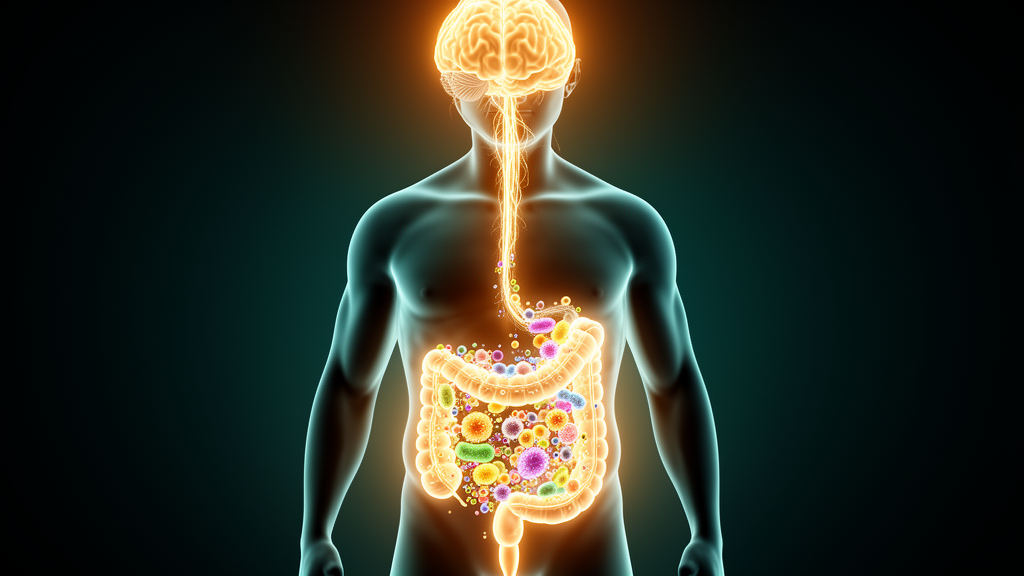
A narrative review published in Discover Mental Health argues that psychobiotics, dietary polyphenols, and precision nutraceuticals could serve as adjunctive tools in psychiatric care by acting on the bidirectional gut-brain axis, which links diet to neurotransmission, neuroinflammation, and hypothalamic-pituitary-adrenal (HPA) axis reactivity.

The review, authored by Alireza Nourazarain and Yashar Vaziri and published on 28 October 2026, frames nutritional psychiatry as a complement rather than a substitute for established care. It notes that anxiety and depression contribute substantially to the global disease burden, and that fewer than half of patients treated with standard pharmacotherapy achieve sustained remission, underscoring the need to identify effective adjunctive treatments.

According to the authors, randomized trials of specific strains—Lactobacillus helveticus R0052, Bifidobacterium longum R0175, and Lactiplantibacillus plantarum PS128—demonstrate modest but reproducible reductions in depressive and anxiety symptoms, although effect sizes vary across studies.

The review outlines plausible mechanisms for these effects, including reduced low-grade neuroinflammation, partial normalization of HPA axis reactivity, and a shift in tryptophan metabolism from the kynurenine pathway toward serotonin synthesis. The authors caution, however, that human evidence supporting these pathways remains limited.

Polyphenol biology adds a further dimension. The review describes how microbial conversion of ellagitannins, isoflavones, and lignans into urolithin A, equol, and enterolactone can alter the bioavailability of neuroactive metabolites. As a consequence, an individual’s metabotype likely accounts for some of the variability in clinical response to polyphenol-rich diets.

Building on this variability, the authors propose that microbiota-guided strategies—stratified by enterotype, metabotype, tryptophan–kynurenine flux, and short-chain fatty acid output—could significantly enhance psychiatric care. They suggest that multi-omic profiling and artificial intelligence-driven digital phenotyping could operationalize such a precision approach.

Translation from proposal to practice faces substantial obstacles, the review acknowledges. Methodological heterogeneity, small sample sizes, inconsistent strain and dose reporting, and regulatory ambiguity continue to hinder progress, as recent meta-analyses highlight.

Because this is a narrative review rather than a new clinical trial, its conclusions synthesize existing randomized trials and mechanistic research rather than presenting new patient data. The authors position their framework as a research agenda for personalized nutritional strategies in mental health, with the strength of clinical recommendations dependent on future, better-standardized studies.

Subject of Research: Psychobiotics and polyphenols as modulators of the gut-brain axis in mental health

Article Title: Psychobiotics and polyphenols modulate the gut-brain axis through personalized nutritional strategies in mental health

Article References: Nourazarain, A., & Vaziri, Y. (2026). Psychobiotics and polyphenols modulate the gut-brain axis through personalized nutritional strategies in mental health. Discover Mental Health. https://doi.org/10.1007/s44192-026-00635-w

Image Credits: AI Generated

DOI: 10.1007/s44192-026-00635-w

Keywords: psychobiotics, polyphenols, gut-brain axis, nutritional psychiatry, depression, anxiety, HPA axis, tryptophan metabolism, metabotype, precision nutrition, microbiome, neuroinflammation

News Source: Glenn Wilkins. (October 28, 2026). Psychobiotics and Polyphenols May Modulate the Gut-Brain Axis in Mental Health, Review Finds. Scienmag.


Tags: AnxietyDepressionGut-brain axisHPA axismetabotypeMicrobiomeNeuroinflammationnutritional psychiatrypolyphenolsprecision nutritionpsychobioticstryptophan metabolism
Share12Tweet7Share2ShareShareShare1

Related Posts

ZNF207 shields glutamine transporter ASCT2 from degradation to fuel liver cancer growth

ZNF207 shields glutamine transporter ASCT2 from degradation to fuel liver cancer growth

October 30, 2026
Most Ethiopian HIV patients on dolutegravir therapy show good knowledge, survey finds

Most Ethiopian HIV patients on dolutegravir therapy show good knowledge, survey finds

October 30, 2026

Serum and urine protein biomarkers may sharpen prostate cancer detection beyond PSA

October 30, 2026

One gene locus flags atrial fibrillation risk after major surgery, UK Biobank study finds

October 30, 2026

POPULAR NEWS

  • Microbial Sources and Stress Shape the Hidden Endophytes of an Invasive Plant

    Microbial Sources and Stress Shape the Hidden Endophytes of an Invasive Plant

    29 shares
    Share 12 Tweet 7
  • Firebreaks Leave Lasting Scars in Grasslands While Wildfire Heals Fast

    29 shares
    Share 12 Tweet 7
  • ZNF207 shields glutamine transporter ASCT2 from degradation to fuel liver cancer growth

    29 shares
    Share 12 Tweet 7
  • Systematic review maps sustainability tensions in offshore wind development

    29 shares
    Share 12 Tweet 7

About

We bring you the latest biotechnology news from best research centers and universities around the world. Check our website.

Follow us

Recent News

Microbial Sources and Stress Shape the Hidden Endophytes of an Invasive Plant

Firebreaks Leave Lasting Scars in Grasslands While Wildfire Heals Fast

ZNF207 shields glutamine transporter ASCT2 from degradation to fuel liver cancer growth

Subscribe to Blog via Email

Enter your email address to subscribe to this blog and receive notifications of new posts by email.

Join 86 other subscribers
  • Contact Us

Bioengineer.org © Copyright 2023 All Rights Reserved.

Welcome Back!

Login to your account below

Forgotten Password?

Retrieve your password

Please enter your username or email address to reset your password.

Log In
No Result
View All Result
  • Homepages
    • Home Page 1
    • Home Page 2
  • News
  • National
  • Business
  • Health
  • Lifestyle
  • Science

Bioengineer.org © Copyright 2023 All Rights Reserved.
