• HOME
  • NEWS
  • EXPLORE
    • CAREER
      • Companies
      • Jobs
    • EVENTS
    • iGEM
      • News
      • Team
    • PHOTOS
    • VIDEO
    • WIKI
  • BLOG
  • COMMUNITY
    • FACEBOOK
    • INSTAGRAM
    • TWITTER
Wednesday, October 28, 2026
BIOENGINEER.ORG
No Result
View All Result
  • Login
  • HOME
  • NEWS
  • EXPLORE
    • CAREER
      • Companies
      • Jobs
        • Lecturer
        • PhD Studentship
        • Postdoc
        • Research Assistant
    • EVENTS
    • iGEM
      • News
      • Team
    • PHOTOS
    • VIDEO
    • WIKI
  • BLOG
  • COMMUNITY
    • FACEBOOK
    • INSTAGRAM
    • TWITTER
No Result
View All Result
Bioengineer.org
No Result
View All Result
Home NEWS Science News Biology

Research report: Genomic and functional characterization of the respiratory commensal Haemophilus paraphrohaemolyticus reveals production of anti-streptococcal peptides

by
October 28, 2026
in Biology
Reading Time: 2 mins read
0
Research report: Genomic and functional characterization of the respiratory commensal Haemophilus paraphrohaemolyticus reveals production of anti-streptococcal peptides

Research report: Genomic and functional characterization of the respiratory commensal Haemophilus paraphrohaemolyticus reveals production of anti-streptococcal peptides

Share on FacebookShare on TwitterShare on LinkedinShare on RedditShare on Telegram

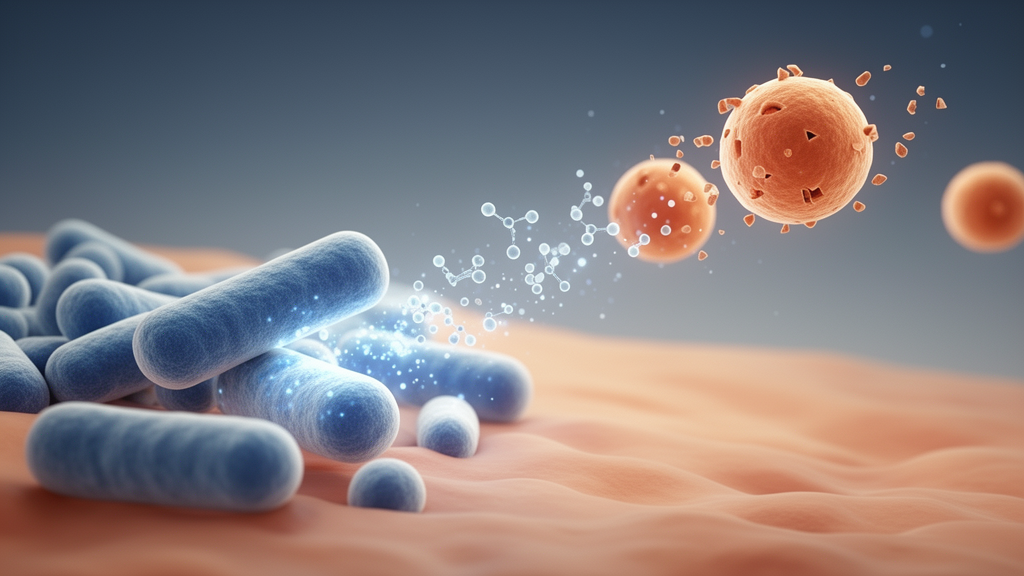
Researchers have characterized Haemophilus paraphrohaemolyticus, a little-studied bacterial commensal found at low abundance in the healthy human nasopharynx, and shown that it produces antimicrobial peptides that selectively target Streptococcus species, including the important pathogen Streptococcus pneumoniae. The work, published in BMC Microbiology, combines genomic analysis with functional testing of the bacterium’s secreted molecules.

A central contribution of the study is taxonomic. The authors provide what they describe as conclusive evidence that H. paraphrohaemolyticus is a distinct species, separate from the closely related H. parahaemolyticus. In doing so they address inconsistencies in the previous literature and supply supplementary genomic markers intended to improve classification algorithms for this group of bacteria.

Functionally, the team identified the commensal as a source of novel antimicrobial peptides, a class of molecules valued for their structural diversity, potent activity and reduced propensity to drive resistance. The peptides produced by H. paraphrohaemolyticus showed a striking selectivity: they targeted Streptococcus species while leaving other nasopharyngeal taxa largely unaffected. Notably, this genus-specific activity was conserved even though the peptides themselves differ in structure and physicochemical properties.

Safety profiling in the study indicated that the peptides were non-cytotoxic towards human epithelial cells, a prerequisite for any consideration of clinical translation. The authors suggest that production of these peptides likely reflects an evolved competitive strategy that helps low-abundance commensals persist in dense mucosal communities, positioning such organisms as potential key modulators of microbial ecology.

Beyond immediate applications, the researchers propose that these AMPs might reveal novel and noncanonical mechanisms of action that could guide the future design of pneumococcal-targeted antimicrobials, at a time when antimicrobial resistance continues to threaten global health and fuels demand for compounds with new modes of activity. The biosynthetic potential of the respiratory tract microbiota, they note, remains underexplored despite multiple members of the human microbiota being known peptide producers.

Subject of Research: Antimicrobial peptides produced by the respiratory commensal Haemophilus paraphrohaemolyticus that selectively target Streptococcus species

Article Title: Genomic and functional characterization of the respiratory commensal Haemophilus paraphrohaemolyticus reveals production of anti-streptococcal peptides

Article References: Rechsteiner, L., Ramette, A., Heller, M., Dube, F. S., & Hathaway, L. J. (2026). Genomic and functional characterization of the respiratory commensal Haemophilus paraphrohaemolyticus reveals production of anti-streptococcal peptides. BMC Microbiology. https://doi.org/10.1186/s12866-026-05855-2

Image Credits: AI Generated

DOI: 10.1186/s12866-026-05855-2

Keywords: Haemophilus paraphrohaemolyticus, antimicrobial peptides, nasopharynx, Streptococcus pneumoniae, microbiota, bacterial genomics, taxonomy, commensal bacteria, antimicrobial resistance, pneumococcus, Genomic, functional

News Source: Juliet Wilcox. (October 28, 2026). Research report: Genomic and functional characterization of the respiratory commensal Haemophilus paraphrohaemolyticus reveals production of anti-streptococcal peptides. Scienmag.


Tags: Antimicrobial peptidesAntimicrobial ResistanceBacterial genomicscommensal bacteriafunctionalgenomicHaemophilus paraphrohaemolyticusmicrobiotanasopharynxpneumococcusStreptococcus pneumoniaetaxonomy
Share12Tweet7Share2ShareShareShare1

Related Posts

Mutations in hepatitis E virus ORF1 shape replication and disease severity

Mutations in hepatitis E virus ORF1 shape replication and disease severity

October 28, 2026
Seasonal Shifts and Site Conditions Drive Red Sea Benthic Biodiversity Patterns

Seasonal Shifts and Site Conditions Drive Red Sea Benthic Biodiversity Patterns

October 28, 2026

Yeasts Lead the Race to Mass-Produce Next-Generation Antimicrobial Peptides

October 28, 2026

Stem Cell-Derived Schwann Cells Emerge as a Human Model for Peripheral Neuropathy

October 28, 2026

POPULAR NEWS

  • How an industrial apparel brand stitches narrative into fabric, thread and label

    How an industrial apparel brand stitches narrative into fabric, thread and label

    29 shares
    Share 12 Tweet 7
  • New Open-Access Journal Biomedical Materials Science Launches to Link Materials Innovation with Patient Care

    29 shares
    Share 12 Tweet 7
  • Berberine Eases Diabetic Kidney Damage by Tuning a Renal Sugar-Transport Switch

    29 shares
    Share 12 Tweet 7
  • Palmitoylation Enzyme ZDHHC5 Emerges as Driver of Neutrophil Inflammation in COPD

    29 shares
    Share 12 Tweet 7

About

We bring you the latest biotechnology news from best research centers and universities around the world. Check our website.

Follow us

Recent News

Mangrove extract delivers triterpenes fast in rat pharmacokinetic first

Generative AI and 3D printing join forces to revive Lingnan stucco relief craft

Dopant synergy in ceria oxides lowers oxygen release and soot combustion temperatures

Subscribe to Blog via Email

Enter your email address to subscribe to this blog and receive notifications of new posts by email.

Join 85 other subscribers
  • Contact Us

Bioengineer.org © Copyright 2023 All Rights Reserved.

Welcome Back!

Login to your account below

Forgotten Password?

Retrieve your password

Please enter your username or email address to reset your password.

Log In
No Result
View All Result
  • Homepages
    • Home Page 1
    • Home Page 2
  • News
  • National
  • Business
  • Health
  • Lifestyle
  • Science

Bioengineer.org © Copyright 2023 All Rights Reserved.