• HOME
  • NEWS
  • EXPLORE
    • CAREER
      • Companies
      • Jobs
    • EVENTS
    • iGEM
      • News
      • Team
    • PHOTOS
    • VIDEO
    • WIKI
  • BLOG
  • COMMUNITY
    • FACEBOOK
    • INSTAGRAM
    • TWITTER
Saturday, February 7, 2026
BIOENGINEER.ORG
No Result
View All Result
  • Login
  • HOME
  • NEWS
  • EXPLORE
    • CAREER
      • Companies
      • Jobs
        • Lecturer
        • PhD Studentship
        • Postdoc
        • Research Assistant
    • EVENTS
    • iGEM
      • News
      • Team
    • PHOTOS
    • VIDEO
    • WIKI
  • BLOG
  • COMMUNITY
    • FACEBOOK
    • INSTAGRAM
    • TWITTER
  • HOME
  • NEWS
  • EXPLORE
    • CAREER
      • Companies
      • Jobs
        • Lecturer
        • PhD Studentship
        • Postdoc
        • Research Assistant
    • EVENTS
    • iGEM
      • News
      • Team
    • PHOTOS
    • VIDEO
    • WIKI
  • BLOG
  • COMMUNITY
    • FACEBOOK
    • INSTAGRAM
    • TWITTER
No Result
View All Result
Bioengineer.org
No Result
View All Result
Home NEWS Science News Biology

New ‘movie’ technique reveals bacterial signalling in sharper resolution

Bioengineer by Bioengineer
October 5, 2017
in Biology
Reading Time: 2 mins read
0
Share on FacebookShare on TwitterShare on LinkedinShare on RedditShare on Telegram
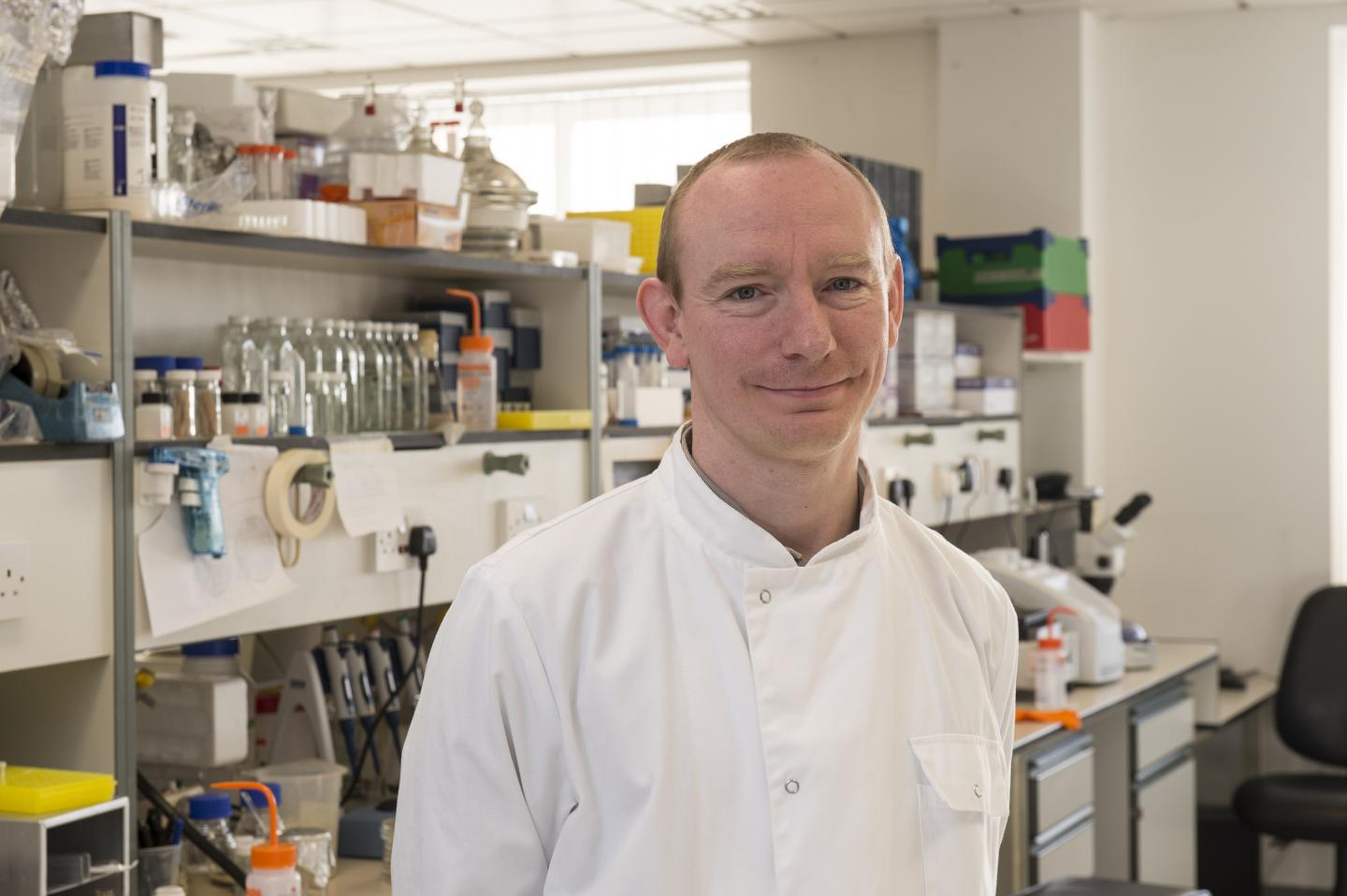
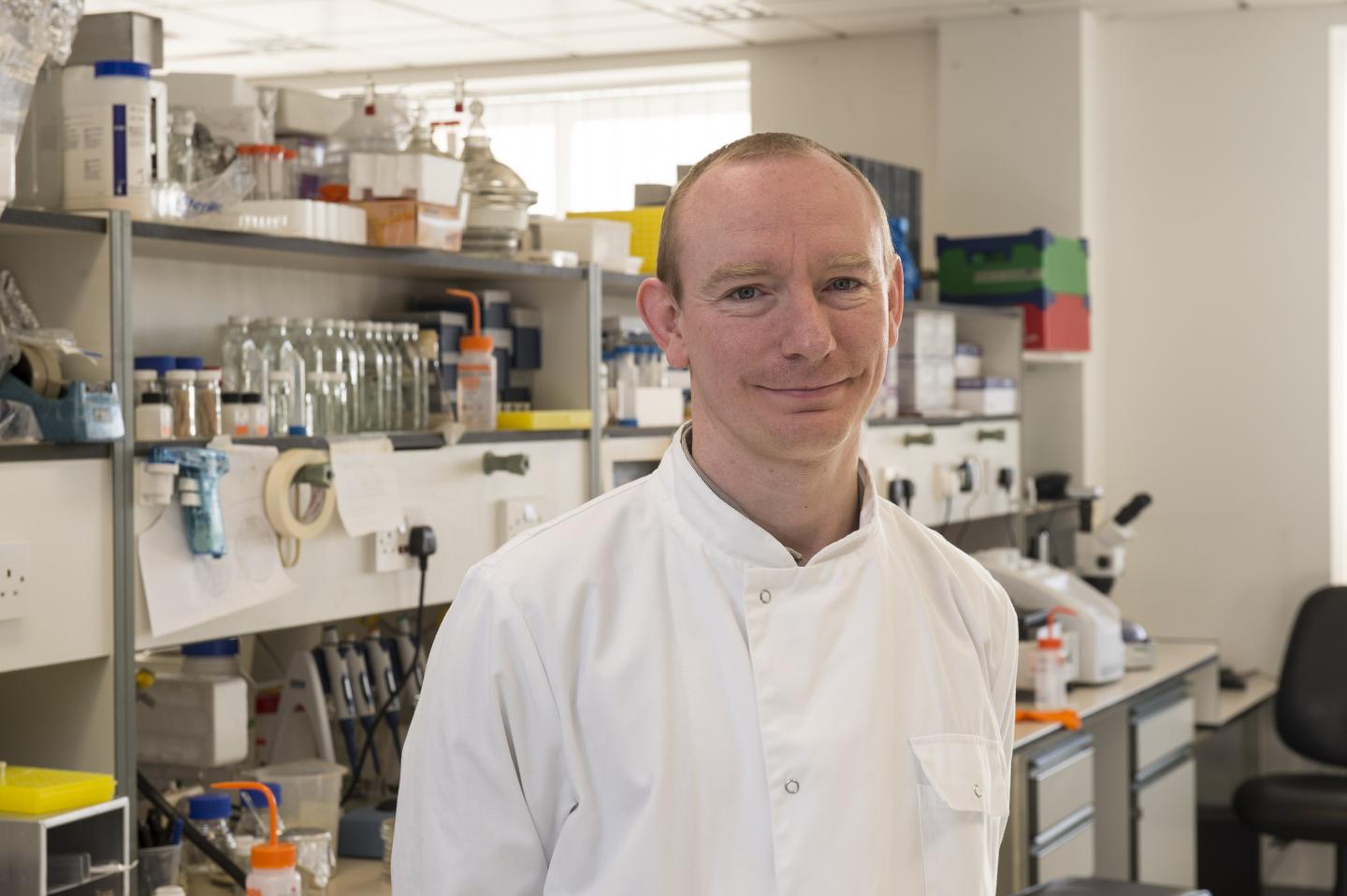
IMAGE

Credit: John Innes Centre

The complex signalling networks bacteria use to adapt to their environments have become clearer following new research.

John Innes Centre researchers used a study of the plant-growth promoting bacterium Pseudomonas fluorescens to develop an advanced analysis method which, they hope, will increase our capacity to understand plant and human diseases.

Until recently, investigations into bacterial signalling have tended to look at different aspects of gene regulation in isolation. Building on these individual approaches, the John Innes team used a range of lab, computational and mathematical techniques to integrate data obtained from multiple different microbiological experiments.

This approach has enabled them to build a comprehensive 'signalling map' for the key bacterial protein Hfq, which controls virulence and stress responses in many clinically and agriculturally important species.

Dr Jacob Malone, the project leader associated with the work explained: "Our technique allows us to follow every gene and protein in a bacterial cell, and say how it changes and at what level that change occurs, in response to a given signal input.

"We are using the same data sets as previous studies but we have developed a way of integrating the data using mathematics and programming. If you consider the individual elements of a movie: the photography, the soundtrack and the script; by combining them you get a whole movie – something greater than the sum of the parts. This is the same principle, only with genetics."

The team's findings, published in Frontiers in Microbiology (Analysing the Complex Regulatory Landscape of Hfq – an Integrative, Multi-Omics Approach, Grenga, L. et al. 2017) promise to change the way we investigate bacterial signalling networks, and will advance our understanding of how bacteria interact with their environments and mediate infections.

"People have looked at data at more than one level before, but not in this depth." said Dr Malone. "Ultimately, we would like people to consider approaching data in this way routinely,".

###

Media Contact

Adrian Galvin
[email protected]
44-160-345-0230
@johninnescentre

http://www.jic.ac.uk

Share12Tweet8Share2ShareShareShare2

Related Posts

Florida Cane Toad: Complex Spread and Selective Evolution

Florida Cane Toad: Complex Spread and Selective Evolution

February 7, 2026
New Study Uncovers Mechanism Behind Burn Pit Particulate Matter–Induced Lung Inflammation

New Study Uncovers Mechanism Behind Burn Pit Particulate Matter–Induced Lung Inflammation

February 6, 2026

DeepBlastoid: Advancing Automated and Efficient Evaluation of Human Blastoids with Deep Learning

February 6, 2026

Navigating the Gut: The Role of Formic Acid in the Microbiome

February 6, 2026
Please login to join discussion

POPULAR NEWS

  • Robotic Ureteral Reconstruction: A Novel Approach

    Robotic Ureteral Reconstruction: A Novel Approach

    82 shares
    Share 33 Tweet 21
  • Digital Privacy: Health Data Control in Incarceration

    63 shares
    Share 25 Tweet 16
  • Study Reveals Lipid Accumulation in ME/CFS Cells

    57 shares
    Share 23 Tweet 14
  • Breakthrough in RNA Research Accelerates Medical Innovations Timeline

    53 shares
    Share 21 Tweet 13

About

We bring you the latest biotechnology news from best research centers and universities around the world. Check our website.

Follow us

Recent News

Phage-Antibiotic Combo Beats Resistant Peritoneal Infection

Boosting Remote Healthcare: Stepped-Wedge Trial Insights

Barriers and Boosters of Seniors’ Physical Activity in Karachi

Subscribe to Blog via Email

Enter your email address to subscribe to this blog and receive notifications of new posts by email.

Join 73 other subscribers
  • Contact Us

Bioengineer.org © Copyright 2023 All Rights Reserved.

Welcome Back!

Login to your account below

Forgotten Password?

Retrieve your password

Please enter your username or email address to reset your password.

Log In
No Result
View All Result
  • Homepages
    • Home Page 1
    • Home Page 2
  • News
  • National
  • Business
  • Health
  • Lifestyle
  • Science

Bioengineer.org © Copyright 2023 All Rights Reserved.