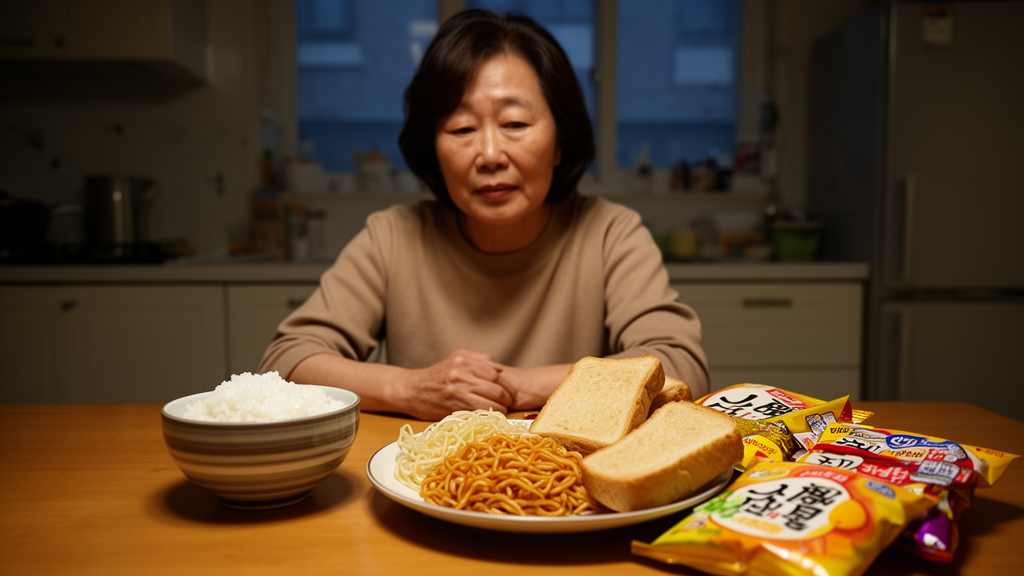
When the COVID-19 pandemic disrupted daily life in South Korea, it also disrupted what people ate. A new cross-sectional analysis of nationally representative survey data suggests that the pandemic years brought a measurable shift in the composition of the Korean diet, moving energy intake away from traditional rice-centered dishes and toward processed grain products, oil-based dishes, and animal-based foods. The study, published in BMC Public Health, links these dish-level changes to transient increases in the risk of metabolic dysfunction-associated steatotic liver disease, or MASLD, as estimated by the hepatic steatosis index.
The researchers drew on the Korea National Health and Nutrition Examination Survey (KNHANES), comparing three periods: pre-pandemic years from 2018 to 2019, the pandemic period from 2020 to 2021, and the post-pandemic period from 2022 to 2023. Participants with excessive alcohol intake were excluded from the analysis. Rather than analyzing nutrients in isolation, the team took a dish-based approach, calculating the share of total dietary energy contributed by groups of dishes as they are actually eaten, from rice and rice-based meals to processed grain products, oil-based preparations, animal-based foods, and alcoholic beverages.
The results showed a clear pattern of dietary transition. Energy contributions shifted away from traditional rice-based dishes, while the proportions of energy from processed grain products, oil-based dishes, and animal-based foods increased. At the same time, the share of energy from alcoholic beverages declined.
These changes coincided with a transient rise in hepatic steatosis index-based MASLD risk during the pandemic period, followed by a subsequent lowering of that risk in the post-pandemic years. As a cross-sectional study, the analysis also captures associations at the population level across survey waves; it cannot establish that dietary changes caused changes in liver fat risk within any individual. Statistically, the study found that adjusting for dish-group energy contributions altered the association between the study period and the hepatic steatosis index.
Reductions in the energy contributions of rice and alcoholic beverages were associated with a higher index, suggesting that the move away from traditional rice-centered meals was associated with higher estimated MASLD risk. The authors note that progressive increases in oil-based cooking methods may have an additional association with possible favorable dietary trends, a nuance that points to the complexity of interpreting dish-level shifts. One limitation the researchers themselves highlight is that the post-pandemic improvement in the hepatic steatosis index was not explained by the observed dietary changes.
In other words, while the pandemic-era dietary shifts were associated with the transient rise in estimated risk, whatever drove the later improvement in the index remains unaccounted for by the dish-based variables measured in the survey. The dietary pattern changes alone do not tell the full story of the population's liver fat risk over these years. The study's practical takeaway is targeted at prevention rather than treatment.
The authors argue that dish-based dietary intake, and oil-based cooking methods in particular, should be considered an important focus for post-pandemic MASLD prevention efforts in Korea. Because the analysis used nationally representative data and excluded heavy drinkers, it offers a population-level view of how a major societal disruption can reshape eating patterns with potential metabolic consequences. For a country whose traditional diet has long been anchored by rice, the pandemic appears to have accelerated a drift toward processed and animal-based foods and toward oil-based preparations.
Whether those shifts persist, and whether they translate into lasting changes in liver disease burden, will require follow-up beyond the scope of this cross-sectional analysis. For now, the findings stand as an association observed across survey periods, not a demonstrated causal chain, and they underline how dish-level dietary data can reveal population health signals that nutrient-level summaries may miss.
Subject of Research: COVID-19-related dish-based dietary shifts and hepatic steatosis index-based MASLD risk in South Korea using KNHANES 2018–2023
Article Title: COVID-19-related dietary shifts and their association with hepatic steatosis index (HSI)-based metabolic dysfunction-associated steatotic liver disease (MASLD) risk: a dish-based analysis using Korea National Health and Nutrition Examination Survey (KNHANES) 2018–2023
Article References: Han, A., Lee, J., Park, J.-H., & Park, S.-H. (2026). COVID-19-related dietary shifts and their association with hepatic steatosis index (HSI)-based metabolic dysfunction-associated steatotic liver disease (MASLD) risk: a dish-based analysis using Korea National Health and Nutrition Examination Survey (KNHANES) 2018–2023. BMC Public Health. https://doi.org/10.1186/s12889-026-29689-9
Image Credits: AI Generated
DOI: 10.1186/s12889-026-29689-9
Keywords: MASLD, hepatic steatosis index, KNHANES, COVID-19, dietary patterns, rice-based dishes, processed grain products, oil-based dishes, South Korea, public health, cross-sectional study, liver disease risk
News Source: Daisy Hatcher. (October 28, 2026). Pandemic Dietary Shifts Away from Rice Linked to Fatty Liver Risk in Korea. Scienmag.