• HOME
  • NEWS
  • EXPLORE
    • CAREER
      • Companies
      • Jobs
    • EVENTS
    • iGEM
      • News
      • Team
    • PHOTOS
    • VIDEO
    • WIKI
  • BLOG
  • COMMUNITY
    • FACEBOOK
    • INSTAGRAM
    • TWITTER
Sunday, May 17, 2026
BIOENGINEER.ORG
No Result
View All Result
  • Login
  • HOME
  • NEWS
  • EXPLORE
    • CAREER
      • Companies
      • Jobs
        • Lecturer
        • PhD Studentship
        • Postdoc
        • Research Assistant
    • EVENTS
    • iGEM
      • News
      • Team
    • PHOTOS
    • VIDEO
    • WIKI
  • BLOG
  • COMMUNITY
    • FACEBOOK
    • INSTAGRAM
    • TWITTER
  • HOME
  • NEWS
  • EXPLORE
    • CAREER
      • Companies
      • Jobs
        • Lecturer
        • PhD Studentship
        • Postdoc
        • Research Assistant
    • EVENTS
    • iGEM
      • News
      • Team
    • PHOTOS
    • VIDEO
    • WIKI
  • BLOG
  • COMMUNITY
    • FACEBOOK
    • INSTAGRAM
    • TWITTER
No Result
View All Result
Bioengineer.org
No Result
View All Result
Home NEWS Science News Biology

Salk neurobiologist receives NIH Director’s New Innovator award

Bioengineer by Bioengineer
October 5, 2017
in Biology
Reading Time: 2 mins read
0
Share on FacebookShare on TwitterShare on LinkedinShare on RedditShare on Telegram
IMAGE

Credit: Salk Institute

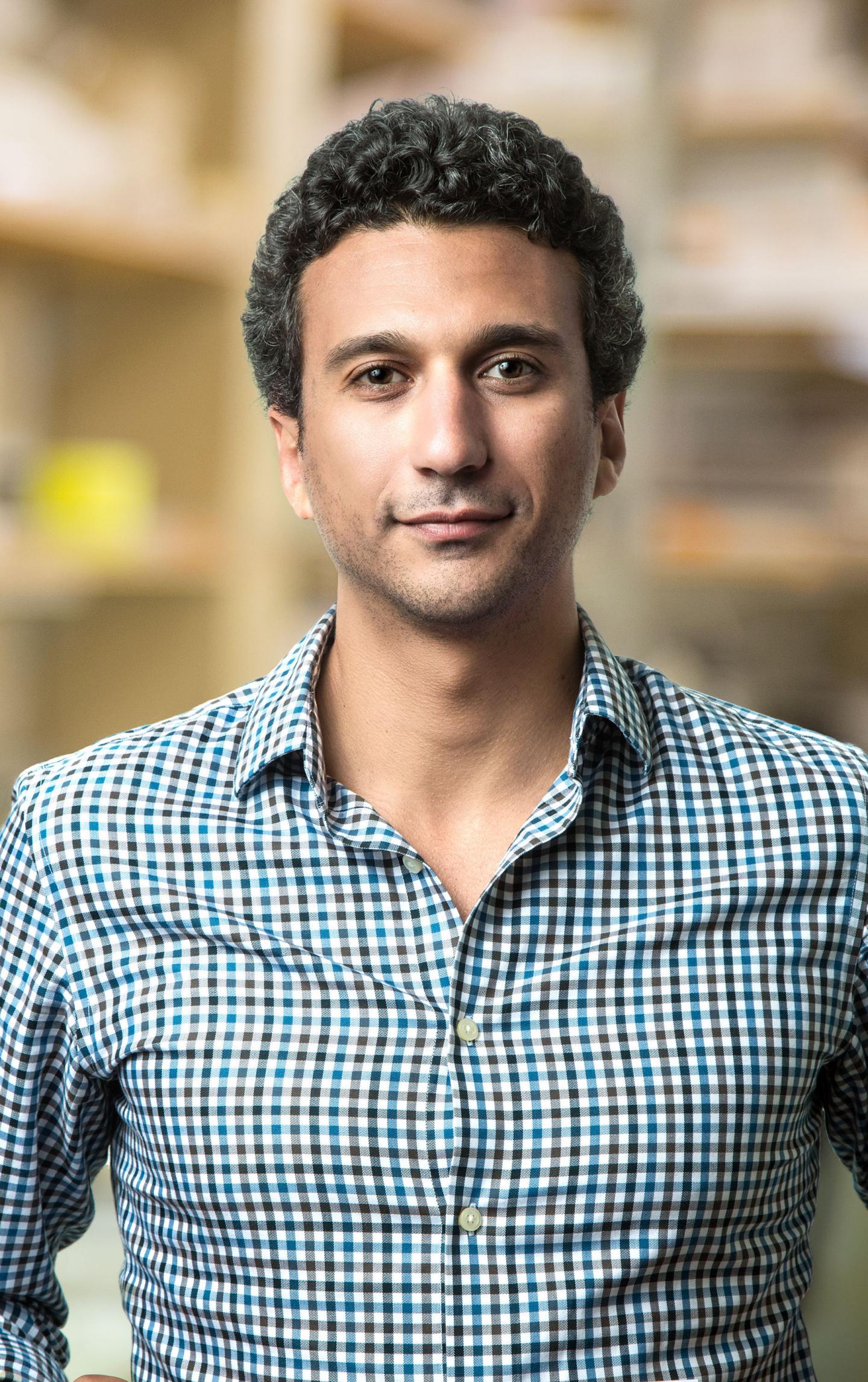
LA JOLLA – (Oct. 5, 2017) Salk Institute Assistant Professor Eiman Azim has been named an NIH Director's New Innovator for 2017 as part of the National Institutes of Health's High-Risk, High-Reward Research Program. The award provides $1.5 million for a 5-year project during which Azim will explore how the nervous system controls dexterous movements.

The NIH Director's New Innovator award is designed specifically to support a small group of creative scientists at an early stage of their career with an emphasis on innovative, high-impact projects, according to the NIH website.

"Eiman employs the most cutting-edge laboratory and imaging technologies to probe how neural circuits achieve motor control," says Salk President Elizabeth Blackburn. "We are thrilled that his research, which has tremendous potential for life-changing insights into movement disorders, has been recognized with a prestigious NIH Director's New Innovator Award."

Dexterous movements of limbs and fingers are critical motor functions often affected by neurodegenerative disease and injury. Azim's research seeks to lay the fundamental groundwork for understanding how the nervous system achieves this complex and coordinated behavior, progress that could ultimately lead to more effective treatments. Azim, who is a member of Salk's Molecular Neurobiology Laboratory, uses a multidisciplinary approach to identify how neural circuits control skilled movements, taking advantage of modern techniques in neurobiology, genetics and computer vision to investigate how diverse neural pathways are involved in different aspects of motor control.

"I am tremendously honored to have been selected for this award," says Azim. "This funding allows us to think big and try to tackle some of the more difficult challenges that we face. For example, we hope to develop new ways to define and quantify fine movements, providing the behavioral resolution that we need to tease apart the neural circuits that establish such impressive motor output."

Azim was also recently named a Pew Scholar, Searle Scholar and Kathryn W. Davis Aging Brain Scholar. Additionally, he is a recipient of an NIH Pathway to Independence award.

###

About the Salk Institute for Biological Studies:

Every cure has a starting point. The Salk Institute embodies Jonas Salk's mission to dare to make dreams into reality. Its internationally renowned and award-winning scientists explore the very foundations of life, seeking new understandings in neuroscience, genetics, immunology, plant biology and more. The Institute is an independent nonprofit organization and architectural landmark: small by choice, intimate by nature and fearless in the face of any challenge. Be it cancer or Alzheimer's, aging or diabetes, Salk is where cures begin. Learn more at: salk.edu.

Media Contact

Salk Communications
[email protected]
858-453-4100
@salkinstitute
Salk Institute for Biological Studies

Share13Tweet8Share2ShareShareShare2

Related Posts

Uncovering C. elegans Immunity via Genetic Screens — Biology

Uncovering C. elegans Immunity via Genetic Screens

May 16, 2026
Single mother must adapt swiftly — the survival of her colony depends on it — Biology

Single mother must adapt swiftly — the survival of her colony depends on it

May 15, 2026

Why Are Nearly Everyone Right-Handed? It Might Be Linked to How We Learned to Walk

May 15, 2026

Excessive Neuronal Activity Initiates Severe Autoimmune Brain Disorder

May 15, 2026
Please login to join discussion

POPULAR NEWS

  • Research Indicates Potential Connection Between Prenatal Medication Exposure and Elevated Autism Risk

    844 shares
    Share 338 Tweet 211
  • New Study Reveals Plants Can Detect the Sound of Rain

    730 shares
    Share 291 Tweet 182
  • Salmonella Haem Blocks Macrophages, Boosts Infection

    62 shares
    Share 25 Tweet 16
  • Breastmilk Balances E. coli and Beneficial Bacteria in Infant Gut Microbiomes

    58 shares
    Share 23 Tweet 15

About

We bring you the latest biotechnology news from best research centers and universities around the world. Check our website.

Follow us

Recent News

Noncanonical Sulfur Metabolism, Immunity Altered in Down Syndrome

Physical Resilience Linked to Aging Views in Chinese Elders

Tau T205 Phosphorylation Controls Memory and Engrams

Subscribe to Blog via Email

Enter your email address to subscribe to this blog and receive notifications of new posts by email.

Join 82 other subscribers
  • Contact Us

Bioengineer.org © Copyright 2023 All Rights Reserved.

Welcome Back!

Login to your account below

Forgotten Password?

Retrieve your password

Please enter your username or email address to reset your password.

Log In
No Result
View All Result
  • Homepages
    • Home Page 1
    • Home Page 2
  • News
  • National
  • Business
  • Health
  • Lifestyle
  • Science

Bioengineer.org © Copyright 2023 All Rights Reserved.