• HOME
  • NEWS
  • EXPLORE
    • CAREER
      • Companies
      • Jobs
    • EVENTS
    • iGEM
      • News
      • Team
    • PHOTOS
    • VIDEO
    • WIKI
  • BLOG
  • COMMUNITY
    • FACEBOOK
    • INSTAGRAM
    • TWITTER
Thursday, May 28, 2026
BIOENGINEER.ORG
No Result
View All Result
  • Login
  • HOME
  • NEWS
  • EXPLORE
    • CAREER
      • Companies
      • Jobs
        • Lecturer
        • PhD Studentship
        • Postdoc
        • Research Assistant
    • EVENTS
    • iGEM
      • News
      • Team
    • PHOTOS
    • VIDEO
    • WIKI
  • BLOG
  • COMMUNITY
    • FACEBOOK
    • INSTAGRAM
    • TWITTER
  • HOME
  • NEWS
  • EXPLORE
    • CAREER
      • Companies
      • Jobs
        • Lecturer
        • PhD Studentship
        • Postdoc
        • Research Assistant
    • EVENTS
    • iGEM
      • News
      • Team
    • PHOTOS
    • VIDEO
    • WIKI
  • BLOG
  • COMMUNITY
    • FACEBOOK
    • INSTAGRAM
    • TWITTER
No Result
View All Result
Bioengineer.org
No Result
View All Result
Home NEWS Science News Biology

A new method for removing cells infected with the AIDS virus

Bioengineer by Bioengineer
October 2, 2017
in Biology
Reading Time: 2 mins read
0
Share on FacebookShare on TwitterShare on LinkedinShare on RedditShare on Telegram
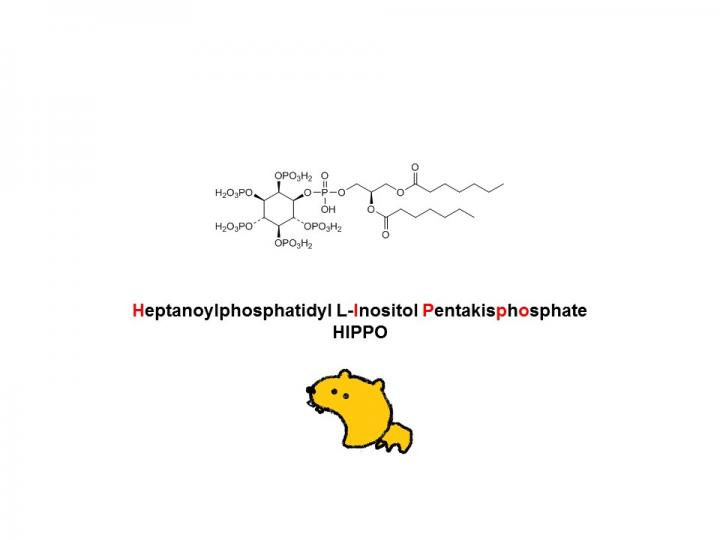
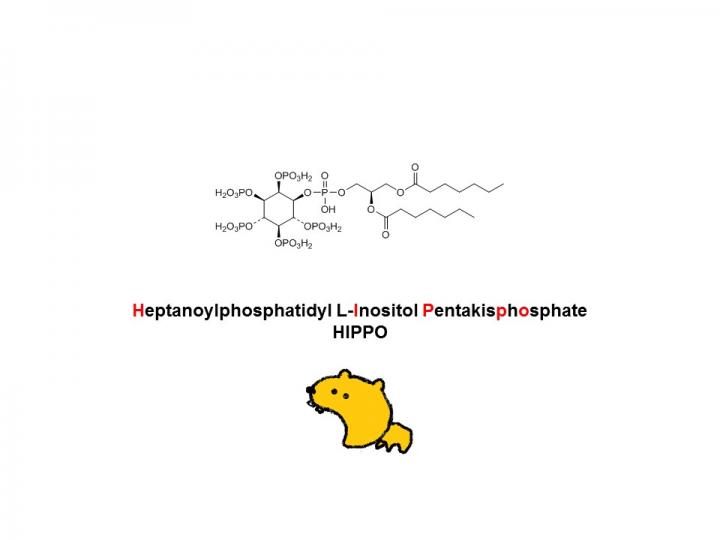
IMAGE

Credit: Associate Professor Mikako Fujita

With the successful suppression of the AIDS virus (HIV) through medication, the focus turns toward its eradication. Researchers from Kumamoto University in Japan have developed a new compound that is key to the destruction of HIV. When the compound is introduced into infected cells, viral budding (release) is suppressed thereby confining it within the host cells. The cells then die naturally through apoptosis (cell death). This treatment is believed to lead to the complete recovery from AIDS in the near future.

In recent years, multi-drug therapy has made it possible to suppress HIV multiplication in the body when taken properly. This method, however, cannot remove the virus particles of the latent HIV reservoir–non-replicating virus particles that remain dormant in the cells of the body. As soon as drug administration is stopped, the viral load will again increase in the body. Removal of the viral reservoir is currently the top goal in AIDS research.

The "kick and kill" approach, which was developed several years ago, is a strategy for killing reservoir cells. This technique uses a drug that targets the reservoir cells and activates the virus which then allows the immune system to find these cell using the activated virus as a landmark. Although this approach was clinically tested, there is still the problem of not being able to efficiently deactivate the virus after successful activation.

Researchers at Kumamoto University developed a new approach that they call "Lock-in and apoptosis." First, they synthesized the compound L-HIPPO, which binds strongly to the HIV protein Pr55Gag and suppresses viral budding. When L-HIPPO was added to virus-infected cells via a carrier called α-CDE, the virus became confined within the cell and the cell would die through natural apoptosis.

"Unfortunately, this approach is not immediately available for people infected with HIV," said Associate Professor Mikako Fujita of Kumamoto University, one of the leaders of the study. "First, we have to improve upon the drugs that activate the virus and combine them with L-HIPPO to efficiently target the viral reservoir. This would be a big step towards a complete recovery from HIV. We believe that our research will help to completely eradicate AIDS."

###

This finding was posted online in the Scientific Reports on 21 August 2017.

[Resource] Tateishi, H.; Monde, K.; Anraku, K.; Koga, R.; Hayashi, Y.; Ciftci, H. I.; DeMirci, H.; Higashi, T.; Motoyama, K.; Arima, H.; Otsuka, M. & Fujita, M., A clue to unprecedented strategy to HIV eradication: textquotedblleftLock-in and apoptosistextquotedblright, Scientific Reports, Springer Nature, 2017, 7.

DOI: 10.1038/s41598-017-09129-w

Media Contact

J. Sanderson, N. Fukuda
[email protected]

http://ewww.kumamoto-u.ac.jp/en/news/

Original Source

http://www.nature.com/articles/s41598-017-09129-w http://dx.doi.org/10.1038/s41598-017-09129-w
Share12Tweet8Share2ShareShareShare2

Related Posts

Live Rattlesnake Cam in Pennsylvania Offers 24/7 Access to Timber Rattlesnake Observation—Third Installment Now Streaming — Biology

Live Rattlesnake Cam in Pennsylvania Offers 24/7 Access to Timber Rattlesnake Observation—Third Installment Now Streaming

May 27, 2026
“DNA ‘Nicks’ Enable Safer, More Precise Genetic Analysis” — Biology

“DNA ‘Nicks’ Enable Safer, More Precise Genetic Analysis”

May 27, 2026

Study Finds Archaic DNA Could Reduce Immunity to Common DNA Viruses in Modern Humans

May 27, 2026

Scientists Achieve Unprecedented Precision in Mapping How Genes Influence Metabolism

May 27, 2026
Please login to join discussion

POPULAR NEWS

  • ESMO 2025: mRNA COVID Vaccines Enhance Efficacy of Cancer Immunotherapy

    318 shares
    Share 127 Tweet 80
  • New Study Reveals Plants Can Detect the Sound of Rain

    735 shares
    Share 293 Tweet 183
  • Common Food Preservatives Associated with Elevated Blood Pressure and Increased Heart Disease Risk

    56 shares
    Share 22 Tweet 14
  • AI-Powered Atlas Uncovers Extensive Whole-Body Damage Linked to Obesity

    53 shares
    Share 21 Tweet 13

About

We bring you the latest biotechnology news from best research centers and universities around the world. Check our website.

Follow us

Recent News

Dynamical Freezing Enhances Magnetometry in Spin Ensembles

Human Oligodendrocyte Polarization Post-Severe Brain Injury

Study Validates Rx Kids Program Enhances Health Outcomes for Flint Infants and Families

Subscribe to Blog via Email

Enter your email address to subscribe to this blog and receive notifications of new posts by email.

Join 82 other subscribers
  • Contact Us

Bioengineer.org © Copyright 2023 All Rights Reserved.

Welcome Back!

Login to your account below

Forgotten Password?

Retrieve your password

Please enter your username or email address to reset your password.

Log In
No Result
View All Result
  • Homepages
    • Home Page 1
    • Home Page 2
  • News
  • National
  • Business
  • Health
  • Lifestyle
  • Science

Bioengineer.org © Copyright 2023 All Rights Reserved.