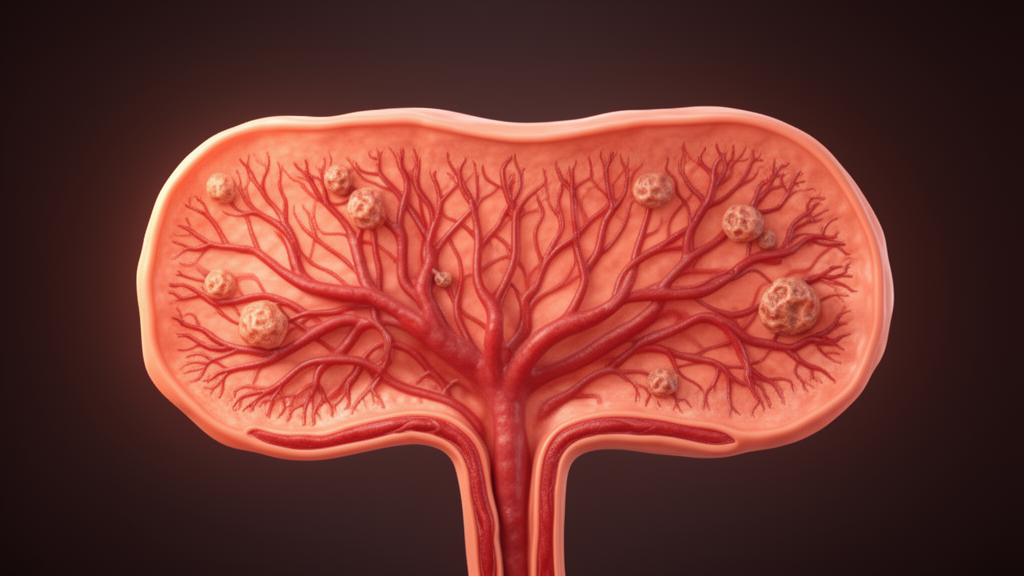
Placentas affected by pre-eclampsia show multiple hallmarks of accelerated ageing, including increased DNA damage, shortened telomeres and an accumulation of cells that have stopped functioning normally, according to a study led by Flinders University in collaboration with the Robinson Research Institute at Adelaide University. The research, published in the Proceedings of the National Academy of Sciences, examined placental tissue from healthy pregnancies and pregnancies affected by late-onset pre-eclampsia, and used laboratory-grown mini-placentas known as trophoblast organoids to probe the underlying biology in greater detail. The findings suggest that placental ageing may not merely be a consequence of the disease, but a process that actively contributes to it.
Pre-eclampsia affects up to 8% of pregnancies worldwide and contributes to roughly 16% of maternal deaths globally, making it one of the most serious complications of pregnancy. For women diagnosed with the condition, the only cure is often to deliver the baby, even when the pregnancy has not reached full term. The placenta acts as a baby’s lifeline during pregnancy, supplying oxygen and nutrients while removing waste, and when it malfunctions the risks to both mother and baby increase significantly. Understanding what damages the placenta has therefore been a central goal for researchers seeking ways to protect pregnancies at risk.
Lead author Dr Anya Arthurs, of Flinders Health and Medical Research Institute, said the study went beyond identifying a damaged placenta to investigate what may cause that damage. According to the researchers, previous work had linked placental ageing to pregnancy complications, but the processes driving a placenta to age prematurely were poorly understood. The team set out to identify those processes, and their findings point to specific biological pathways that could eventually serve as targets for future treatments aimed at preserving placental function.
A major contributor to the ageing changes was oxidative stress, a condition in which harmful molecules accumulate faster than the body’s natural defences can remove them, damaging cells and tissues. In placentas affected by pre-eclampsia, the researchers found that oxidative stress appeared to accelerate the build-up of cellular damage associated with ageing. Notably, when the team reduced oxidative stress in their laboratory models, several markers of placental ageing lessened, an observation the researchers described as particularly encouraging for future therapeutic exploration.
The study also revealed an important role for molecules called telomeric repeat-containing RNAs, or TERRAs, which help protect the ends of chromosomes and maintain healthy cell function. Levels of these molecules were lower in placentas affected by pre-eclampsia. When the researchers reduced TERRA levels in laboratory models, signs of cellular ageing became even more pronounced, suggesting that these molecules help guard placental cells against the ageing process and that their loss may contribute to the accelerated ageing seen in the disease.
The researchers emphasised that further work is needed before any new therapies could be used during pregnancy. However, they said the findings help pinpoint biological pathways that may eventually support better prevention of complications, earlier identification of pregnancies at risk, and improved care for mothers and babies. The work was published as an experimental study based on human tissue samples, with the authors declaring no competing interests.
Subject of Research: Accelerated placental ageing and its biological pathways in late-onset pre-eclampsia
Article Title: Fast-ageing placentas may explain pre-eclampsia risks
Article References: Fast-ageing placentas may explain pre-eclampsia risks. Original publication (Bibliographic details unavailable.)
Image Credits: AI Generated
DOI: Not provided
Keywords: pre-eclampsia, placenta, placental ageing, oxidative stress, telomeres, TERRA, trophoblast organoids, DNA damage, pregnancy complications, maternal health, Flinders University, PNAS
News Source: Beatrice Stafford. (October 26, 2026). Placental ageing may drive pre-eclampsia, study finds. Scienmag.