Breast cancer survivors described markedly different paths of sexual recovery despite having similar treatment experiences, according to a qualitative study of 31 survivors aged 32 to 72. Griffith University researchers identified three possible trajectories: persistent disruption involving shame, isolation and intimacy difficulties; gradual adjustment through communication and support; and reclamation of sexuality through a renewed sense of self. Their findings indicate that recovery after treatment is not determined by physical symptoms alone, but also involves relationships, emotional wellbeing, cultural expectations and how healthcare professionals address sexual health.
Lead author Mina Esmkhani, from Griffith’s School of Medicine and Dentistry, developed a three-layer model of post-treatment sexual adjustment based on interviews with the participants. The first layer, described as “embodied disruptions,” includes pain, vaginal dryness, reduced desire, scarring and altered body image. The second examines relational dynamics, including partner support, communication and emotional connection. The third covers cultural and healthcare influences, such as social expectations, stigma and whether healthcare professionals discuss sexual health. The model therefore frames sexual recovery as a multidimensional process rather than a purely medical outcome.
Partner responses emerged as one of the strongest influences on survivors’ reported adjustment. Women who described receiving empathy, reassurance and emotional support were more likely to report positive adaptation, the researchers said. Supportive partners helped women feel desired, rebuild their confidence, develop new forms of intimacy and maintain emotional connection. By contrast, avoidance, silence or discomfort from a partner could intensify distress. Because this was a qualitative study based on interviews, the findings do not establish that partner behavior caused a particular recovery trajectory; instead, they show how central relationships were to participants’ experiences.
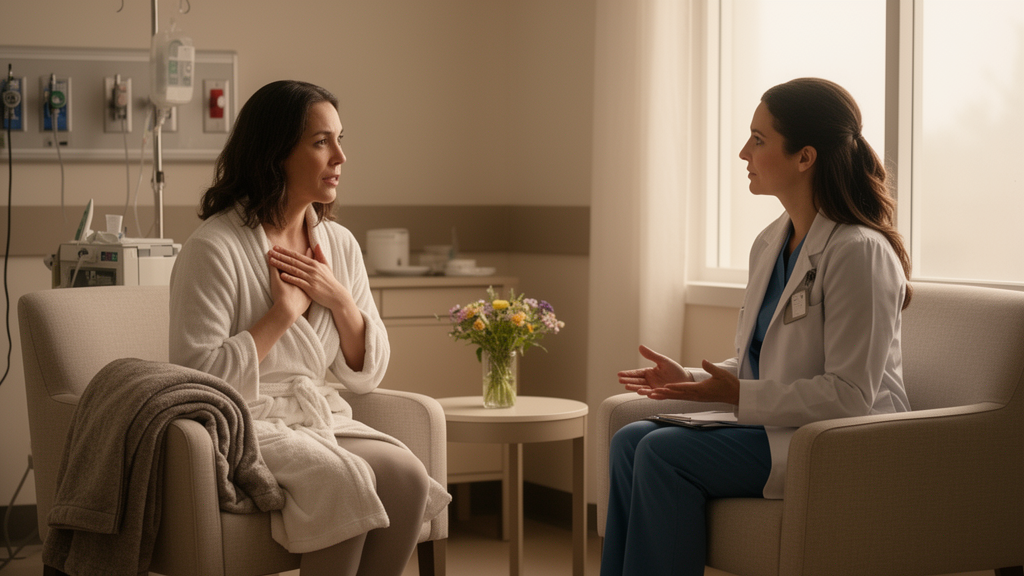
The study also identified a persistent gap in conversations about sexuality and intimacy during breast cancer care. Participants reported that clinicians focused on treatment and survival but rarely discussed sexual side effects unless patients raised the subject first. Some women said they had nowhere to seek advice about painful sex, loss of desire, body-image concerns or relationship challenges. Healthcare silence was a consistent experience and was associated with shame. Senior author and project lead Associate Professor Armin Ariana said the findings point to a need to train clinicians to include sexual health in standard cancer-care conversations rather than treat it as an optional topic that patients must initiate themselves. The study itself did not test the effectiveness of any particular training or care intervention.
Published in The Journal of Sex Research as “The Explanatory three-layer model of post-treatment sexual adjustment: A qualitative study of breast cancer survivors,” the research offers a structured account of how a small group of survivors experienced sexual adjustment after breast cancer treatment. It does not provide population-wide prevalence estimates or establish that the three trajectories apply to all survivors. The variation observed among women with similar treatment experiences also cautions against assuming that comparable medical histories will produce identical sexual-health outcomes. Based on interviews with 31 people, the study identifies persistent disruption, supported adjustment and renewed sexual identity as possible paths, with partner support and the communication culture of healthcare emerging as prominent influences.
Subject of Research: Post-treatment sexual adjustment among breast cancer survivors
Article Title: Sexual recovery after breast cancer is often overlooked
Article References: Sexual recovery after breast cancer is often overlooked. Original publication (Bibliographic details unavailable.)
Image Credits: AI Generated
DOI: Not provided
Keywords: breast cancer, sexual health, sexual recovery, intimacy, partner support, qualitative study, survivorship, clinical communication, body image, Griffith University, Sexual, recovery
News Source: Nathaniel Bowman. (October 26, 2026). Qualitative study maps three paths to sexual recovery after breast cancer. Scienmag.