• HOME
  • NEWS
  • EXPLORE
    • CAREER
      • Companies
      • Jobs
    • EVENTS
    • iGEM
      • News
      • Team
    • PHOTOS
    • VIDEO
    • WIKI
  • BLOG
  • COMMUNITY
    • FACEBOOK
    • INSTAGRAM
    • TWITTER
Friday, October 23, 2026
BIOENGINEER.ORG
No Result
View All Result
  • Login
  • HOME
  • NEWS
  • EXPLORE
    • CAREER
      • Companies
      • Jobs
        • Lecturer
        • PhD Studentship
        • Postdoc
        • Research Assistant
    • EVENTS
    • iGEM
      • News
      • Team
    • PHOTOS
    • VIDEO
    • WIKI
  • BLOG
  • COMMUNITY
    • FACEBOOK
    • INSTAGRAM
    • TWITTER
No Result
View All Result
Bioengineer.org
No Result
View All Result
Home NEWS Science News Biology

AI Subtyping Suggests Polycystic Ovarian Syndrome Is Four Distinct Conditions

by
October 23, 2026
in Biology
Reading Time: 2 mins read
0
AI Subtyping Suggests Polycystic Ovarian Syndrome Is Four Distinct Conditions

AI Subtyping Suggests Polycystic Ovarian Syndrome Is Four Distinct Conditions

Share on FacebookShare on TwitterShare on LinkedinShare on RedditShare on Telegram

Polycystic metabolic ovarian syndrome (PMOS), the most common endocrine disorder among women of reproductive age, affecting an estimated 8 to 12 percent of that population, may be far less uniform than its diagnostic label suggests. A review published in Molecular Biology Reports argues that traditional symptom-based diagnostic criteria do not fully capture the underlying biological diversity of the condition, and that data-driven analysis points to a syndrome composed of distinct subtypes rather than a single disease. The condition is also associated with elevated risks of infertility, type 2 diabetes, and heart disease.

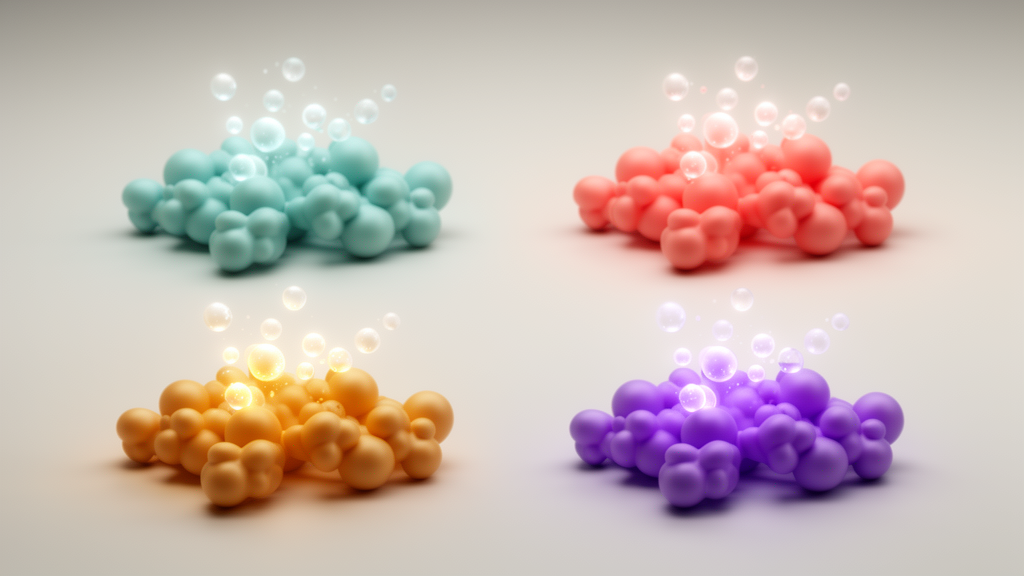
The review, by Sristy Pradhan and Abilash Valsala Gopalakrishnan, synthesizes recent work combining multi-omics profiling with artificial intelligence. When clinical variables are fed into data-driven clustering algorithms, the authors report, four major subtypes consistently emerge: HA-PCOS, OB-PCOS, SHBG-PCOS, and LH-PCOS. Each subtype carries its own hormonal, metabolic, and genetic signature, including distinct patterns of lipid, amino acid, and energy metabolism.

The subtypes also differ in immune activity. The review highlights immune system disruption and impaired breakdown of blood clots within the ovarian environment as notable features of the condition, adding to the picture of PMOS as a systemic metabolic disorder rather than a purely reproductive one.

Among the more tentative findings is a possible role for lactate metabolism. The authors suggest that altered lactate metabolism and changes in histone lactylation may contribute to granulosa cell dysfunction in the ovary. They note, however, that further studies are needed before these mechanisms can be considered established.

On the diagnostic side, the review reports that machine learning models integrating clinical, metabolic, and genetic data have achieved high diagnostic accuracy, with the added advantage of producing interpretable results rather than opaque predictions. The authors also propose potential subtype-targeted therapies, including GLP-1 receptor agonists, SGLT2 inhibitors, N-acetylcysteine, and NK3R antagonists. These remain proposals: none has yet been validated in clinical trials for PMOS subtypes, and the review does not claim efficacy for any of them.

Significant limitations temper the promise. The studies synthesized in the review rely on small and relatively homogeneous cohorts, long-term data are limited, and barriers to care persist in low-resource settings. Even so, the review’s central claim is a reframing with practical consequences: if PMOS is not one disorder but several, then AI-powered subtyping could point toward more personalized and more equitable management, provided the subtypes hold up in larger and more diverse cohorts.

Subject of Research: Multi-omics and AI subtyping of polycystic metabolic ovarian syndrome heterogeneity

Article Title: Dissecting polycystic metabolic ovarian syndrome heterogeneity (PMOS): multi-omics, AI subtyping, and precision management

Article References: Pradhan, S., & Gopalakrishnan, A. V. (2026). Dissecting polycystic metabolic ovarian syndrome heterogeneity (PMOS): multi-omics, AI subtyping, and precision management. Molecular Biology Reports, 53(1), Article 1788. https://doi.org/10.1007/s11033-026-12967-5

Image Credits: AI Generated

DOI: 10.1007/s11033-026-12967-5

Keywords: PMOS, PCOS, multi-omics, machine learning, endocrinology, subtypes, granulosa cells, histone lactylation, precision medicine, Molecular Biology Reports, Dissecting, polycystic

News Source: Drew Townsend. (October 23, 2026). AI Subtyping Suggests Polycystic Ovarian Syndrome Is Four Distinct Conditions. Scienmag.

Tags: DissectingEndocrinologyGranulosa CellsHistone lactylationMachine LearningMolecular Biology Reportsmulti-omicsPCOSPMOSpolycysticPrecision Medicinesubtypes
Share12Tweet7Share2ShareShareShare1

Related Posts

Light-Activated Drugs Kill Enveloped Viruses, but Clinical Uses Stay Narrow, Review Finds

Light-Activated Drugs Kill Enveloped Viruses, but Clinical Uses Stay Narrow, Review Finds

October 23, 2026
Colistin Reshapes Biofilms and Cell-Surface Charge in Environmental Pseudomonas

Colistin Reshapes Biofilms and Cell-Surface Charge in Environmental Pseudomonas

October 23, 2026

Cementing bivalve genome reveals codon reassignment and reshuffled karyotypes

October 23, 2026

Ticks Dominate Cattle Ectoparasite Diagnoses in Nine-Year Ethiopian Clinic Record Review

October 23, 2026

POPULAR NEWS

  • Light-Activated Drugs Kill Enveloped Viruses, but Clinical Uses Stay Narrow, Review Finds

    Light-Activated Drugs Kill Enveloped Viruses, but Clinical Uses Stay Narrow, Review Finds

    29 shares
    Share 12 Tweet 7
  • New Marker Lets Scientists Pull Neuron Vesicles Out of Blood and Spinal Fluid

    29 shares
    Share 12 Tweet 7
  • AI Subtyping Suggests Polycystic Ovarian Syndrome Is Four Distinct Conditions

    29 shares
    Share 12 Tweet 7
  • Task Structure Shapes How Autism Language Differences Show Up in Girls and Boys

    29 shares
    Share 12 Tweet 7

About

We bring you the latest biotechnology news from best research centers and universities around the world. Check our website.

Follow us

Recent News

Light-Activated Drugs Kill Enveloped Viruses, but Clinical Uses Stay Narrow, Review Finds

New Marker Lets Scientists Pull Neuron Vesicles Out of Blood and Spinal Fluid

AI Subtyping Suggests Polycystic Ovarian Syndrome Is Four Distinct Conditions

Subscribe to Blog via Email

Enter your email address to subscribe to this blog and receive notifications of new posts by email.

Join 85 other subscribers
  • Contact Us

Bioengineer.org © Copyright 2023 All Rights Reserved.

Welcome Back!

Login to your account below

Forgotten Password?

Retrieve your password

Please enter your username or email address to reset your password.

Log In
No Result
View All Result
  • Homepages
    • Home Page 1
    • Home Page 2
  • News
  • National
  • Business
  • Health
  • Lifestyle
  • Science

Bioengineer.org © Copyright 2023 All Rights Reserved.