• HOME
  • NEWS
  • EXPLORE
    • CAREER
      • Companies
      • Jobs
    • EVENTS
    • iGEM
      • News
      • Team
    • PHOTOS
    • VIDEO
    • WIKI
  • BLOG
  • COMMUNITY
    • FACEBOOK
    • INSTAGRAM
    • TWITTER
Wednesday, October 21, 2026
BIOENGINEER.ORG
No Result
View All Result
  • Login
  • HOME
  • NEWS
  • EXPLORE
    • CAREER
      • Companies
      • Jobs
        • Lecturer
        • PhD Studentship
        • Postdoc
        • Research Assistant
    • EVENTS
    • iGEM
      • News
      • Team
    • PHOTOS
    • VIDEO
    • WIKI
  • BLOG
  • COMMUNITY
    • FACEBOOK
    • INSTAGRAM
    • TWITTER
No Result
View All Result
Bioengineer.org
No Result
View All Result
Home NEWS Science News Biology

Wolbachia redirects host ATP metabolism to suppress viruses in mosquito cells

by
October 21, 2026
in Biology, Health
Reading Time: 2 mins read
0
Wolbachia redirects host ATP metabolism to suppress viruses in mosquito cells

Wolbachia redirects host ATP metabolism to suppress viruses in mosquito cells

Share on FacebookShare on TwitterShare on LinkedinShare on RedditShare on Telegram

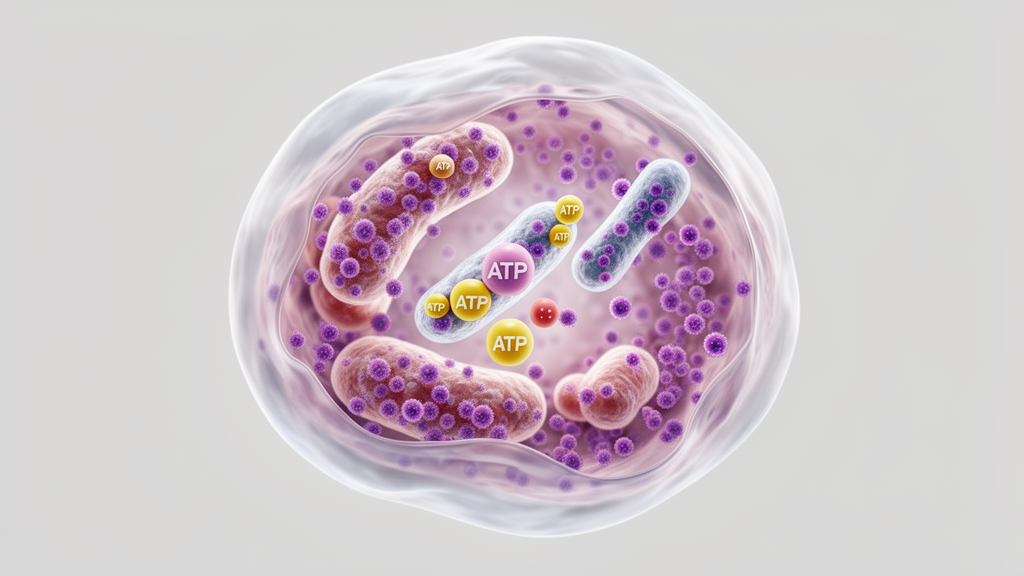
In mosquito-cell experiments, Wolbachia suppressed dengue virus and the emerging alphavirus Venezuelan equine encephalitis virus (VEEV) by redirecting host ATP production toward its own proliferation. The results extend the bacterial endosymbiont’s known antiviral spectrum and identify ATP synthase beta subunit 1, or ATPSβ1, as a metabolic hub in the competition between the virus, mosquito host and symbiont.

Researchers used transcriptomic and functional analyses to investigate how dengue virus and VEEV interact with Wolbachia in Aedes mosquito cells. In cells without the symbiosis, the viruses induced ATPSβ1. The evidence indicates that this host protein supported viral binding through the viral envelope protein and increased intracellular ATP production, which facilitated viral replication. ATPSβ1 therefore appears to perform two roles during infection: promoting initial viral attachment and supplying energy needed for replication.

In Wolbachia-carrying cells, the symbiont overrode the virus-associated promotion of viral binding and repurposed ATPSβ1-driven ATP synthesis to fuel bacterial proliferation. This metabolic diversion strengthened the antiviral activity of Wolbachia. The authors characterized the process as a tug-of-war over host ATP, with a shared host protein serving both the virus and the symbiont.

Pharmacological experiments supported the importance of ATP metabolism in this interaction. Adenosine increased the density of Wolbachia strain wAlbB and strongly suppressed viral infection in Aedes aegypti and Aedes albopictus cells. Oligomycin reduced intracellular ATP and inhibited viral infection in Wolbachia-free A. aegypti cells. These findings were obtained in cell systems and do not by themselves demonstrate reduced mosquito-borne virus transmission or benefits in humans. The authors identify targeting ATPSβ1-driven metabolism as a possible route for curbing transmission, but that application remains to be validated beyond the tested cells.

Subject of Research: Wolbachia-mediated antiviral defense through host ATP metabolism in mosquito cells

Article Title: Wolbachia outcompetes mosquito-borne viruses by reprogramming host ATPSβ1-driven ATP metabolism toward symbiotic proliferation

Article References: Yuan, H., Zhang, Y., Zhao, Y., Wang, C., Zhou, Y., Ni, Q., Li, X., Zhang, B., Wang, Y., Cai, L., Liu, H., Wang, J., Gong, J., Zhang, M., Xi, Z., & Pan, X. (2026). Wolbachia outcompetes mosquito-borne viruses by reprogramming host ATPSβ1-driven ATP metabolism toward symbiotic proliferation. PLOS Pathogens, 22(10), e1014692. https://doi.org/10.1371/journal.ppat.1014692

Image Credits: AI Generated

DOI: 10.1371/journal.ppat.1014692

Keywords: Wolbachia, ATPSβ1, ATP metabolism, dengue virus, Venezuelan equine encephalitis virus, Aedes aegypti, Aedes albopictus, mosquito-borne viruses, antiviral defense, viral replication, outcompetes, mosquito-borne

News Source: Daisy Hatcher. (October 21, 2026). Wolbachia redirects host ATP metabolism to suppress viruses in mosquito cells. Scienmag.


Tags: Aedes aegyptiAedes albopictusantiviral defenseATP metabolismATPSβ1dengue virusmosquito-bornemosquito-borne virusesoutcompetesVenezuelan equine encephalitis virusviral replicationWolbachia
Share12Tweet7Share2ShareShareShare1

Related Posts

Editorial reviews digital screening for sarcopenia and sarcopenic obesity

Editorial reviews digital screening for sarcopenia and sarcopenic obesity

October 21, 2026
AI speech model classifies dysarthria severity in real-world recordings

AI speech model classifies dysarthria severity in real-world recordings

October 21, 2026

Regulatory Evolution Offers Clues to Horn Diversification in Beetles

October 21, 2026

Cross-sectional study links social support, fear and health behavior after PCI

October 21, 2026

POPULAR NEWS

  • Amomum dealbatum oil kills four bacteria in laboratory study

    Amomum dealbatum oil kills four bacteria in laboratory study

    29 shares
    Share 12 Tweet 7
  • Editorial reviews digital screening for sarcopenia and sarcopenic obesity

    29 shares
    Share 12 Tweet 7
  • AI speech model classifies dysarthria severity in real-world recordings

    29 shares
    Share 12 Tweet 7
  • Regulatory Evolution Offers Clues to Horn Diversification in Beetles

    29 shares
    Share 12 Tweet 7

About

We bring you the latest biotechnology news from best research centers and universities around the world. Check our website.

Follow us

Recent News

Amomum dealbatum oil kills four bacteria in laboratory study

Editorial reviews digital screening for sarcopenia and sarcopenic obesity

AI speech model classifies dysarthria severity in real-world recordings

Subscribe to Blog via Email

Enter your email address to subscribe to this blog and receive notifications of new posts by email.

Join 85 other subscribers
  • Contact Us

Bioengineer.org © Copyright 2023 All Rights Reserved.

Welcome Back!

Login to your account below

Forgotten Password?

Retrieve your password

Please enter your username or email address to reset your password.

Log In
No Result
View All Result
  • Homepages
    • Home Page 1
    • Home Page 2
  • News
  • National
  • Business
  • Health
  • Lifestyle
  • Science

Bioengineer.org © Copyright 2023 All Rights Reserved.