A 2026 narrative review concludes that inherited variation in major histocompatibility complex class I and class II genes is associated with pediatric neuroblastoma susceptibility, survival and selected treatment outcomes, although most findings remain preliminary and require independent replication. The reported signals involve HLA-A, HLA-B and HLA-C alleles or extended haplotypes associated with cytotoxic T-cell and natural killer cell biology, together with the HLA-DRB1–DQA1–DQB1 region linked to CD4+ T-cell responses. Evidence is most consistent for associations with overall survival, progression-free survival and outcomes in anti-GD2 immunotherapy or stem cell transplantation, rather than for predicting conventional chemotherapy response. The reviewers describe the immunogenetic markers as hypothesis-generating and not yet clinically actionable.
Pediatric neuroblastoma is the most common extracranial malignancy of early childhood and typically develops from neural crest-derived precursors of the sympathetic nervous system. The median age at diagnosis is about 18 months, and nearly 90% of cases occur before age 10. Its clinical course ranges from localized tumors that may regress spontaneously in infants to aggressive metastatic disease in older children. Molecular features such as MYCN amplification and recurrent deletions of chromosome arms 1p and 11q are associated with high-risk disease and adverse outcomes and inform risk classification. These tumors generally have a low somatic mutation burden, potentially limiting the pool of conventional neoantigens available for T-cell recognition, although the review notes that the role of inherited antigen-presentation differences has not been demonstrated directly in neuroblastoma.
The human leukocyte antigen region on chromosome 6p21.3 is highly polymorphic and contains classical class I genes HLA-A, HLA-B and HLA-C, which present intracellular peptides to CD8+ T cells, as well as class II genes including DRB1 and DQB1, which present peptides from extracellular sources to CD4+ helper T cells. HLA alleles also shape T-cell repertoire selection and can provide ligands for inhibitory or activating killer-cell immunoglobulin-like receptors on natural killer cells. The pediatric immune system adds another layer of complexity: naïve lymphocytes predominate, memory and effector populations are less abundant, and natural killer cells in early life differ from adult cells in receptor expression, cytokine profiles and cytotoxic capacity. These developmental features could alter tumor–immune interactions, but direct functional studies connecting particular HLA variants with pediatric tumor recognition remain limited.
Class I evidence does not show a consistent pattern across all neuroblastoma populations. In a high-resolution analysis of a neuroblastoma subset within 576 pediatric solid tumors from the predominantly European MOSCATO-01 and MAPPYACTS cohorts, the extended haplotype HLA-A*02:01–B*44:02–C*05:01 showed the strongest enrichment, particularly among MYCN-amplified tumors. The analysis also reported overrepresentation of HLA-B*51:01, B*18:01 and C*12:03 and underrepresentation of B*07:02, B*08:01 and C*07:02. Depletion of B*07:02 occurred in both MYCN-amplified and non-amplified groups, whereas the A*02:01–B*44:02–C*05:01 pattern was more subtype-specific. These results have not been independently replicated, and their immune interpretation remains inferential. An earlier report linking HLA-B13 with increased risk lost significance after correction for multiple testing, while a European case-control study of 803 cases and 1,340 controls found no significant associations at classical or non-classical class I loci.
Class II signals have centered on the DRB1–DQB1 interval. A locus-focused reanalysis of a whole-exome-sequencing dataset identified DQB1*05:02 and DRB1*16:01 as independently associated with neuroblastoma in 724 cases and 2,863 ancestry-matched controls. Each allele carried an odds ratio of about 1.6: DQB1*05:02 had an adjusted odds ratio of 1.61, with a 95% confidence interval of 1.273–2.018, while DRB1*16:01 had an adjusted odds ratio of 1.60. Conditional analysis associated the signal with the Ser57 residue in the peptide-binding groove of HLA-DQ, providing a structural hypothesis in which altered peptide binding could affect recognition of transformed neural crest-derived cells. However, these results came from reanalysis of one cohort rather than an independent replication population. The extended DRB1*15:01–DQA1*01:02–DQB1*06:02 haplotype was also underrepresented among cases, including in both MYCN subgroups, but its proposed protective effect has not been demonstrated experimentally.
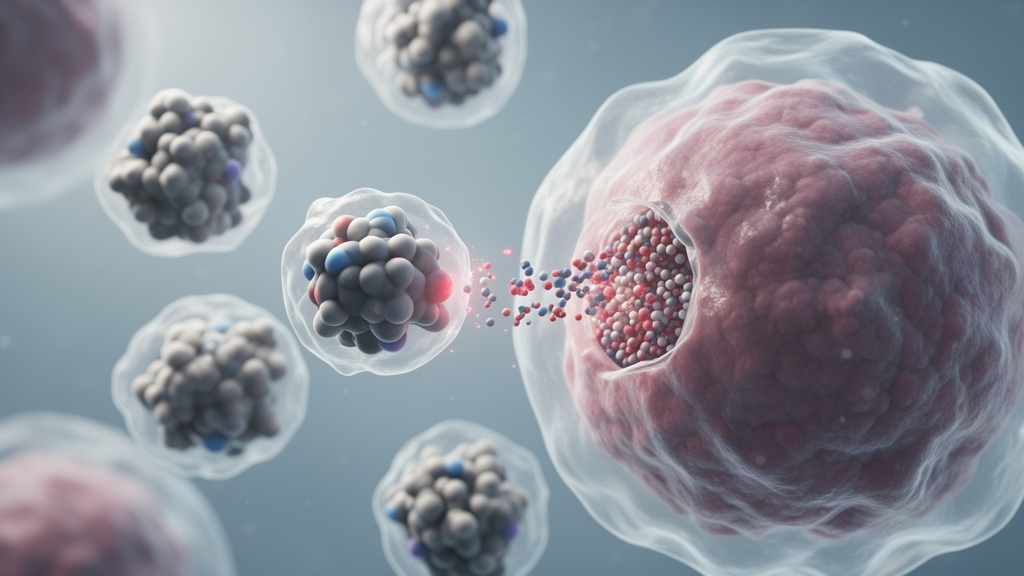
The adaptive-immune explanation centers on inherited differences in which tumor peptides are presented and which T-cell receptors can recognize them. Class I HLA molecules present peptides derived from intracellular proteins to CD8+ cytotoxic T lymphocytes, while class II molecules present peptides from extracellular sources to CD4+ helper cells. HLA variation can therefore affect both the visibility of transformed cells and the composition of the T-cell repertoire selected during thymic development. The extended-haplotype pattern observed in neuroblastoma is compatible with a model in which combinations of linked alleles, rather than one marker alone, alter immune surveillance during early tumorigenesis. Nevertheless, the review distinguishes this population-level association from direct evidence of immune editing within individual tumors. No longitudinal immunopeptidomic or single-cell analysis has shown that particular inherited haplotypes select specific surviving neuroblastoma clones.
Natural killer cells provide a second proposed connection between HLA genetics and outcome. Class I HLA molecules normally engage inhibitory killer-cell immunoglobulin-like receptors and restrain natural killer cell activity. If a neuroblastoma reduces or loses class I expression, it may become less visible to CD8+ T cells while also receiving less inhibitory signaling, a balance sometimes described as the missing-self response. HLA-Bw4 is a ligand for inhibitory receptors, and the HLA-Bw4-80I variant was associated with poorer overall and progression-free survival in a cohort of 245 high-risk patients receiving anti-GD2 immunotherapy: the reported hazard ratios were 2.23 for overall survival and 2.43 for progression-free survival. Separately, high-risk patients without the HLA-C1 ligand group showed less progression and better survival after autologous hematopoietic stem cell transplantation. These retrospective findings do not establish that HLA–KIR combinations predict who benefits from a particular therapy.
The strongest outcome signals for individual class I alleles come from observational studies. HLA-A*02:01 and C*07:01 have been associated with improved overall survival, each with a reported hazard ratio near 0.72, whereas the class II susceptibility alleles DQB1*05:02 and DRB1*16:01 have not consistently corresponded to more aggressive disease after diagnosis. A composite HLA genetic risk score was associated with poorer overall survival, with a reported hazard ratio of 1.53. In transplantation, higher PIRCHE-I/II mismatch scores were associated with reduced progression and improved survival among patients with relapsed neuroblastoma undergoing haploidentical transplantation. These findings involve different constructs: inherited susceptibility alleles and haplotypes, HLA ligand groups, HLA–KIR combinations and donor–recipient mismatch scores. Combining them under a single “HLA response” label would obscure their distinct biological meanings and clinical settings.
Germline HLA variation must also be distinguished from acquired alterations within neuroblastoma cells. Immunohistochemical studies have reported reduced or absent classical HLA class I expression in subsets of tumors, with more pronounced loss in MYCN-amplified disease. Tumor-associated HLA loss of heterozygosity and antigen-processing defects can further reduce visibility to CD8+ T cells, creating a separate route to immune escape. Class II expression has also appeared low or undetectable in some samples, although the review cautions against generalizing this to universal absence across all neuroblastoma subtypes and experimental conditions. These acquired changes may converge with inherited differences: a germline haplotype could shape initial surveillance, while tumor evolution could subsequently alter the antigen-presentation machinery. Direct evidence connecting the two processes in neuroblastoma remains limited.
Genome-wide association evidence provides an important qualification. A chromosome 6p22 susceptibility signal was first reported in 2008 and subsequently replicated in Asian and non-Asian cohorts, including southern Chinese and Italian pediatric populations. Fine mapping placed the associated 34.9-kilobase linkage-disequilibrium block near the long non-coding RNAs CASC15 and NBAT1 rather than within classical HLA genes. Homozygosity for risk alleles was associated with MYCN amplification, stage 4 disease and high-risk classification. Because the region lies near HLA loci, linkage disequilibrium could contribute to the signal, but dedicated conditional analyses and targeted HLA fine mapping have been limited. The review therefore treats the 6p22 association as evidence for an immunogenomic region, not proof that a classical HLA allele causes neuroblastoma risk.
The evidence is constrained by small cohorts, restricted ancestral representation, variable HLA typing resolution and inconsistent statistical treatment. Most studies include European or North American participants, while HLA allele and haplotype frequencies differ substantially among populations, limiting transferability and the ability to detect population-specific effects. Sample sizes range from fewer than 50 cases to roughly 724–803 in the largest analyses, which constrains power for rare alleles, extended haplotypes and subgroup comparisons. Inconsistent reporting of age, stage, risk group, MYCN status and treatment also prevents firm comparisons across studies. The narrative review searched PubMed/MEDLINE and Scopus through February 2026 and supplemented those searches through manual reference screening, but it did not use PRISMA methodology, pool effect estimates or conduct a formal risk-of-bias assessment. Its findings describe a field moving from statistical association toward mechanistic testing, rather than a clinically validated use of HLA profiling.
Subject of Research: Inherited HLA variation, immune surveillance and clinical outcomes in pediatric neuroblastoma
Article Title: HLA class I and II polymorphisms in pediatric neuroblastoma: mechanistic links to immune surveillance, tumor evolution, and clinical translation
Article References: Daldoul, A., & Almawi, W. Y. (2026). HLA class I and II polymorphisms in pediatric neuroblastoma: mechanistic links to immune surveillance, tumor evolution, and clinical translation. Frontiers in Genetics, 17, Article 1918845. https://doi.org/10.3389/fgene.2026.1918845
Image Credits: AI Generated
DOI: 10.3389/fgene.2026.1918845
Keywords: pediatric neuroblastoma, HLA polymorphism, antigen presentation, immune surveillance, natural killer cells, MYCN amplification, anti-GD2 immunotherapy, stem cell transplantation, tumor immune evasion, immunogenetics, class, polymorphisms
News Source: Drew Townsend. (October 21, 2026). HLA variants linked to pediatric neuroblastoma risk and outcomes in review. Scienmag.