• HOME
  • NEWS
  • EXPLORE
    • CAREER
      • Companies
      • Jobs
    • EVENTS
    • iGEM
      • News
      • Team
    • PHOTOS
    • VIDEO
    • WIKI
  • BLOG
  • COMMUNITY
    • FACEBOOK
    • INSTAGRAM
    • TWITTER
Wednesday, October 21, 2026
BIOENGINEER.ORG
No Result
View All Result
  • Login
  • HOME
  • NEWS
  • EXPLORE
    • CAREER
      • Companies
      • Jobs
        • Lecturer
        • PhD Studentship
        • Postdoc
        • Research Assistant
    • EVENTS
    • iGEM
      • News
      • Team
    • PHOTOS
    • VIDEO
    • WIKI
  • BLOG
  • COMMUNITY
    • FACEBOOK
    • INSTAGRAM
    • TWITTER
No Result
View All Result
Bioengineer.org
No Result
View All Result
Home NEWS Science News Health

Research report: A case report: an 11-year-old boy with peripheral T-cell lymphoma presenting after a five-year indolent inguinal lymphadenopathy

by
October 21, 2026
in Health
Reading Time: 2 mins read
0
Research report: A case report: an 11-year-old boy with peripheral T-cell lymphoma presenting after a five-year indolent inguinal lymphadenopathy

Research report: A case report: an 11-year-old boy with peripheral T-cell lymphoma presenting after a five-year indolent inguinal lymphadenopathy

Share on FacebookShare on TwitterShare on LinkedinShare on RedditShare on Telegram

An 11-year-old Ethiopian boy was diagnosed with peripheral T-cell lymphoma, not otherwise specified (PTCL-NOS), after a solitary, painless right inguinal swelling remained clinically stable for five years and then enlarged rapidly over three months. The case report found advanced-stage disease involving lymph nodes in the neck, abdomen and pelvis, as well as multiple bilateral pulmonary nodules, while bone marrow and cerebrospinal fluid were uninvolved. PTCL-NOS is a mature post-thymic T-cell neoplasm diagnosed only after more specific T-cell lymphoma entities have been excluded.

The disease is rare in children, represents a small minority of pediatric non-Hodgkin lymphomas and has no established standard of care. It is generally characterized as clinically aggressive, often presenting with advanced-stage disease over weeks to months. The boy’s case differed in its initial course because the inguinal swelling was painless and clinically stable for five years before rapid enlargement became apparent.

The boy had no fever, night sweats or other B symptoms. He also had no known immunodeficiency or reported contact with someone who had tuberculosis. Staging identified bilateral cervical adenopathy, extensive confluent abdominopelvic nodal masses, a necrotic right inguinal node and multiple nodules in both lungs, resulting in an Ann Arbor stage IV classification.

His lactate dehydrogenase concentration was persistently normal. Pathologists examined the lesion with a 16-marker immunohistochemical panel and found intermediate-sized cells expressing CD3 and CD5, along with mutant-type p53 expression. Only scattered residual CD20- and PAX-5-positive B-cell aggregates were present, and no follicular dendritic-cell meshwork was identified.

The remaining marker results were negative for CD30, CD15, CD23, BCL-6, CD10, CD1a, CD8, CD99 and TdT, and the Ki-67 index was 30–35%. These findings, considered with the clinical and imaging results, established the diagnosis of PTCL-NOS. The child was treated with an anaplastic large-cell lymphoma chemotherapy regimen through the B3 course and showed improvement. As a single case report without a comparison group, however, the study cannot determine whether that regimen is effective for pediatric PTCL-NOS more broadly or explain the prolonged stability of the initial swelling.

Its contribution is therefore limited to documenting an unusual pediatric presentation in which a five-year history of indolent inguinal lymphadenopathy preceded rapid enlargement and disseminated disease.

Subject of Research: Pediatric peripheral T-cell lymphoma presenting after prolonged inguinal lymphadenopathy

Article Title: A case report: an 11-year-old boy with peripheral T-cell lymphoma presenting after a five-year indolent inguinal lymphadenopathy

Article References: Amare, T. Z., Delelegn, T. M., & Abera, B. (2026). A case report: an 11-year-old boy with peripheral T-cell lymphoma presenting after a five-year indolent inguinal lymphadenopathy. BMC Pediatrics. https://doi.org/10.1186/s12887-026-07829-9

Image Credits: AI Generated

DOI: 10.1186/s12887-026-07829-9

Keywords: pediatric oncology, peripheral T-cell lymphoma, PTCL-NOS, inguinal lymphadenopathy, childhood lymphoma, immunohistochemistry, advanced-stage disease, case report, case, report, year-old, peripheral

News Source: Ophelia Keating. (October 21, 2026). Research report: A case report: an 11-year-old boy with peripheral T-cell lymphoma presenting after a five-year indolent inguinal lymphadenopathy. Scienmag.


Tags: advanced-stage diseasecasecase reportchildhood lymphomaImmunohistochemistryinguinal lymphadenopathyPediatric OncologyperipheralPeripheral T-Cell LymphomaPTCL-NOSRepoRTyear-old
Share12Tweet7Share2ShareShareShare1

Related Posts

Alzheimer’s tetraploid neurons show enriched somatic single nucleotide variants

Alzheimer’s tetraploid neurons show enriched somatic single nucleotide variants

October 21, 2026
Research report: Emotional eating as a stress- and emotion-regulation coping mechanism: a systematic review of quantitative evidence across populations

Research report: Emotional eating as a stress- and emotion-regulation coping mechanism: a systematic review of quantitative evidence across populations

October 21, 2026

Cancer patients in Rwanda face frequent multidrug-resistant bacterial infections

October 21, 2026

Low-Dose Citrate-Nafamostat Strategy Feasible in Liver-Failure CRRT Series

October 21, 2026

POPULAR NEWS

  • 3D-Printed TPU and SEBS Valve Leaflets Show Distinct Mechanical Behavior

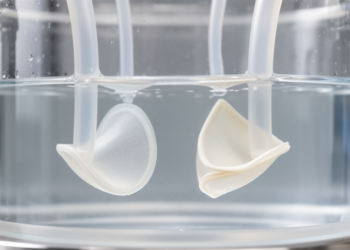
    3D-Printed TPU and SEBS Valve Leaflets Show Distinct Mechanical Behavior

    29 shares
    Share 12 Tweet 7
  • Cardiomyocyte PIK3R1 Loss Protects Hearts in Diabetic Mouse Model

    29 shares
    Share 12 Tweet 7
  • RNA sequencing maps ToxR-dependent genes in seafood pathogen

    29 shares
    Share 12 Tweet 7
  • Research report: A case report: an 11-year-old boy with peripheral T-cell lymphoma presenting after a five-year indolent inguinal lymphadenopathy

    29 shares
    Share 12 Tweet 7

About

We bring you the latest biotechnology news from best research centers and universities around the world. Check our website.

Follow us

Recent News

3D-Printed TPU and SEBS Valve Leaflets Show Distinct Mechanical Behavior

Cardiomyocyte PIK3R1 Loss Protects Hearts in Diabetic Mouse Model

RNA sequencing maps ToxR-dependent genes in seafood pathogen

Subscribe to Blog via Email

Enter your email address to subscribe to this blog and receive notifications of new posts by email.

Join 85 other subscribers
  • Contact Us

Bioengineer.org © Copyright 2023 All Rights Reserved.

Welcome Back!

Login to your account below

Forgotten Password?

Retrieve your password

Please enter your username or email address to reset your password.

Log In
No Result
View All Result
  • Homepages
    • Home Page 1
    • Home Page 2
  • News
  • National
  • Business
  • Health
  • Lifestyle
  • Science

Bioengineer.org © Copyright 2023 All Rights Reserved.