• HOME
  • NEWS
  • EXPLORE
    • CAREER
      • Companies
      • Jobs
    • EVENTS
    • iGEM
      • News
      • Team
    • PHOTOS
    • VIDEO
    • WIKI
  • BLOG
  • COMMUNITY
    • FACEBOOK
    • INSTAGRAM
    • TWITTER
Wednesday, October 21, 2026
BIOENGINEER.ORG
No Result
View All Result
  • Login
  • HOME
  • NEWS
  • EXPLORE
    • CAREER
      • Companies
      • Jobs
        • Lecturer
        • PhD Studentship
        • Postdoc
        • Research Assistant
    • EVENTS
    • iGEM
      • News
      • Team
    • PHOTOS
    • VIDEO
    • WIKI
  • BLOG
  • COMMUNITY
    • FACEBOOK
    • INSTAGRAM
    • TWITTER
No Result
View All Result
Bioengineer.org
No Result
View All Result
Home NEWS Science News Biology

Taxonomic study identifies 15 new tineid moth species and 10 new Ethiopian records

by
October 21, 2026
in Biology
Reading Time: 2 mins read
0
Taxonomic study identifies 15 new tineid moth species and 10 new Ethiopian records

Hidden Trove of Museum Drawers Yields 15 New Moth Species From Ethiopia

Share on FacebookShare on TwitterShare on LinkedinShare on RedditShare on Telegram

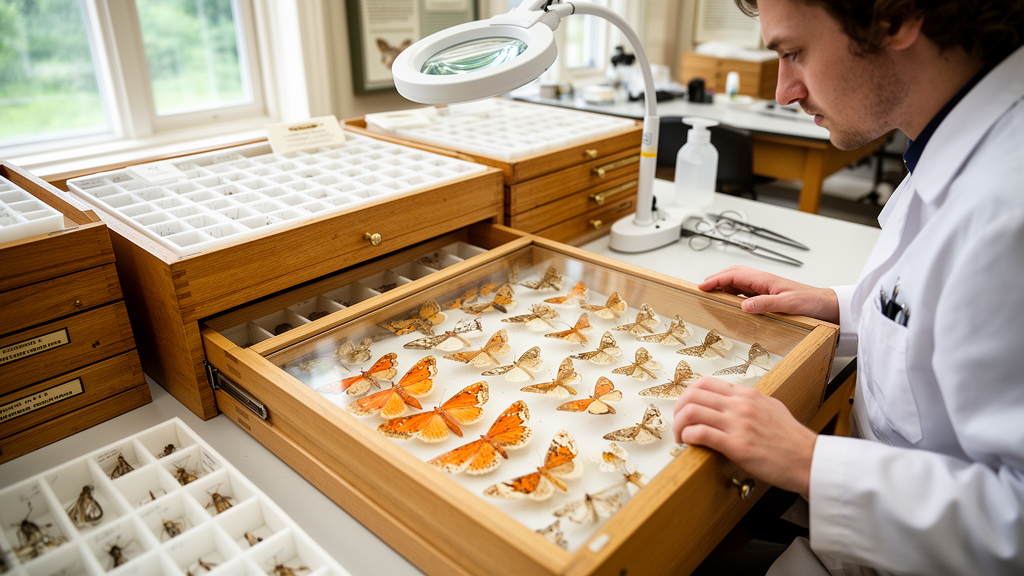
A taxonomic study of Ethiopian tineid moths examined 107 museum specimens, described 15 new species and reported 10 new country records. The authors concluded that the known tineid fauna of Ethiopia now includes about 60 species.

The material came from expeditions and collections spanning 1959 to 2012. It included specimens collected by E. M. Hering in 1959, Peter Angenstein from 1978 to 1983, and Hermann Hacker and Hans-Peter Schreier during expeditions in 2006, 2008 and 2010. Additional tineids had been collected around Lake Tana during a 1996 Museum für Naturkunde expedition.

Most of the Hacker and Schreier material was collected as incidental bycatch in automatic light traps during expeditions primarily focused on macromoths. The moths were later sorted from the remaining material, and specimens in the Tineidae were selected for examination. Other unidentified Ethiopian tineids were drawn from the museum’s collection.

The researchers examined specimens with a Leica MZ 12.5 dissecting microscope, measured body parts using an ocular grid and prepared male genitalia in alcohol before embedding them in Euparal on slides. They also produced photographs, line drawings and a dichotomous key to African tineid families. The key requires study of male genitalia because external family characters are highly diverse and variable.

The new species were placed in four subfamilies: Hapsiferinae, Myrmecozelinae, Perissomasticinae and Hieroxestinae. Type localities included the vicinity of Lake Tana, Awash National Park, Lake Langano, Arba Minch, the Bale Mountains, Aluweya, Agere Maryam, the boundary of Mago National Park and Addis Ababa. The descriptions distinguished taxa through adult morphology and, in most cases, male genitalia.

The study also documented named species not previously reported from Ethiopia. These included representatives of Hapsifera, Criticonoma, Phthoropoea, Monopis, Tinea, Xerantica and Wegneria. A specimen was also tentatively associated with Perissomastix pantsa, although slight differences in its male genitalia made the identification provisional.

Holotypes and paratypes of the newly described species were deposited in the Lepidoptera collection of the Museum für Naturkunde, Berlin. The article also presented adult and genitalia illustrations and recorded collecting localities with coordinates and elevations, allowing the examined material to be associated with specific sites.

Several limitations affected the work. Much of the bycatch was in varying or poor condition and was difficult to prepare. Some identifications depended on older descriptions with inadequate illustrations, while a 2019 checklist of 20 Ethiopian tineid species omitted records published earlier. The authors described this discrepancy as evidence of limited faunistic research in Ethiopia, rather than a formal estimate of population trends.

Tineidae occupy varied feeding niches, with larvae recorded from materials including game horns and antlers, bird feathers and nests, and carnivore faeces. Some species can also attack clothing and food products. The study itself was a taxonomic examination of preserved moth specimens and did not assess those potential effects.

Subject of Research: Taxonomic diversity and distribution of tineid moths in Ethiopia

Article Title: New records and new species of tineid moths from Ethiopia ( Lepidoptera , Tineidae )

Article References: Mey, W. (2026). New records and new species of tineid moths from Ethiopia (Lepidoptera, Tineidae). Deutsche Entomologische Zeitschrift, 73(2), 503-523. https://doi.org/10.3897/dez.73.197893

Image Credits: AI Generated

DOI: 10.3897/dez.73.197893

Keywords: Tineidae, Ethiopia, taxonomy, moths, Lepidoptera, species descriptions, museum collections, male genitalia, faunistic records, records, species, tineid

News Source: Drew Townsend. (October 21, 2026). Taxonomic study identifies 15 new tineid moth species and 10 new Ethiopian records. Scienmag.


Tags: Ethiopiafaunistic recordsLepidopteramale genitaliamothsmuseum collectionsrecordsspeciesspecies descriptionstaxonomytineidTineidae
Share12Tweet7Share2ShareShareShare1

Related Posts

Morphological study identifies four new water-margin Euthyadinae species from southern China

Morphological study identifies four new water-margin Euthyadinae species from southern China

October 21, 2026
Morphological and phylogenetic study identifies seven new Hygrocybe taxa in the Dominican Republic

Morphological and phylogenetic study identifies seven new Hygrocybe taxa in the Dominican Republic

October 21, 2026

Redescription of two cave-dwelling Oncopodura species from the Balkan Peninsula

October 21, 2026

Morphological study describes Lissomus arawak, a new female click beetle from the Dominican Republic

October 21, 2026

POPULAR NEWS

  • Mixed-methods study finds feeding knowledge gaps among Indonesian border health cadres

    Mixed-methods study finds feeding knowledge gaps among Indonesian border health cadres

    29 shares
    Share 12 Tweet 7
  • Morphological study identifies four new water-margin Euthyadinae species from southern China

    29 shares
    Share 12 Tweet 7
  • Taxonomic study identifies 15 new tineid moth species and 10 new Ethiopian records

    29 shares
    Share 12 Tweet 7
  • Morphological and phylogenetic study identifies seven new Hygrocybe taxa in the Dominican Republic

    29 shares
    Share 12 Tweet 7

About

We bring you the latest biotechnology news from best research centers and universities around the world. Check our website.

Follow us

Recent News

Mixed-methods study finds feeding knowledge gaps among Indonesian border health cadres

Morphological study identifies four new water-margin Euthyadinae species from southern China

Taxonomic study identifies 15 new tineid moth species and 10 new Ethiopian records

Subscribe to Blog via Email

Enter your email address to subscribe to this blog and receive notifications of new posts by email.

Join 85 other subscribers
  • Contact Us

Bioengineer.org © Copyright 2023 All Rights Reserved.

Welcome Back!

Login to your account below

Forgotten Password?

Retrieve your password

Please enter your username or email address to reset your password.

Log In
No Result
View All Result
  • Homepages
    • Home Page 1
    • Home Page 2
  • News
  • National
  • Business
  • Health
  • Lifestyle
  • Science

Bioengineer.org © Copyright 2023 All Rights Reserved.