• HOME
  • NEWS
  • EXPLORE
    • CAREER
      • Companies
      • Jobs
    • EVENTS
    • iGEM
      • News
      • Team
    • PHOTOS
    • VIDEO
    • WIKI
  • BLOG
  • COMMUNITY
    • FACEBOOK
    • INSTAGRAM
    • TWITTER
Tuesday, October 20, 2026
BIOENGINEER.ORG
No Result
View All Result
  • Login
  • HOME
  • NEWS
  • EXPLORE
    • CAREER
      • Companies
      • Jobs
        • Lecturer
        • PhD Studentship
        • Postdoc
        • Research Assistant
    • EVENTS
    • iGEM
      • News
      • Team
    • PHOTOS
    • VIDEO
    • WIKI
  • BLOG
  • COMMUNITY
    • FACEBOOK
    • INSTAGRAM
    • TWITTER
No Result
View All Result
Bioengineer.org
No Result
View All Result
Home NEWS Science News Biology

Case-control study finds altered metal levels, oxidative stress and inflammation in spinal cord injury

by
October 20, 2026
in Biology
Reading Time: 2 mins read
0
Case-control study finds altered metal levels, oxidative stress and inflammation in spinal cord injury

Metals Out of Balance: Trace Element Depletion Emerges as Hidden Driver of Spinal Cord Injury Damage

Share on FacebookShare on TwitterShare on LinkedinShare on RedditShare on Telegram

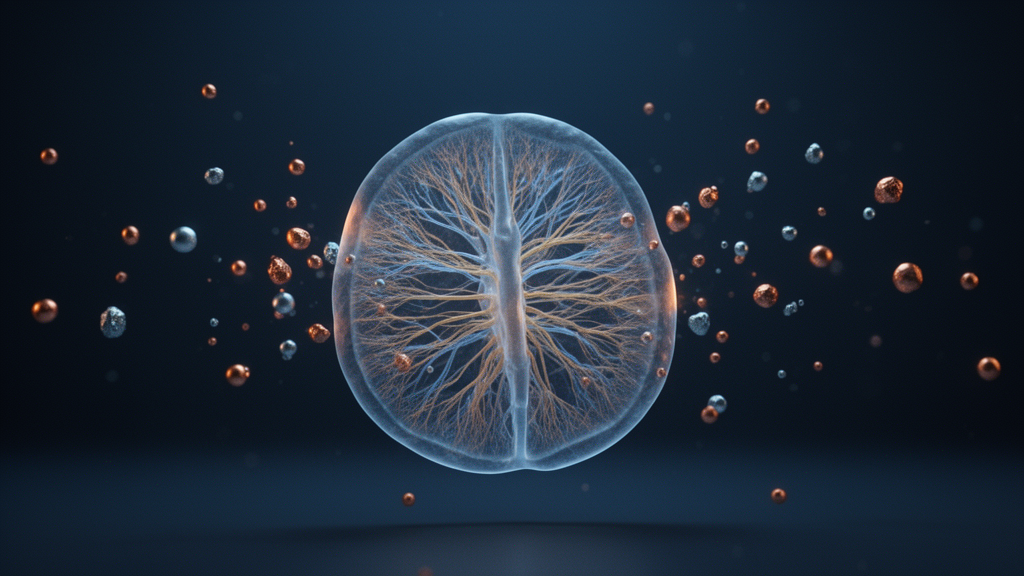
A case-control study of 105 patients with clinically confirmed spinal cord injury and 105 age- and sex-matched healthy controls found differences in plasma metal concentrations, oxidative and nitrosative stress markers, antioxidant defenses and inflammatory cytokines. The report, summarized in the journal’s abstract, identifies strong positive associations between oxidative stress markers and inflammation, along with inverse associations with antioxidant defenses and several essential trace elements. These results show correlated biomarker patterns; they do not establish that altered metal levels cause spinal cord injury, accelerate secondary damage or correspond to a particular level of neurological severity.

Researchers quantified lipid peroxidation, protein carbonyls, nitric oxide, four antioxidant enzymes—catalase, glutathione reductase, glutathione peroxidase and superoxide dismutase—and the non-enzymatic antioxidants vitamins A, C and E. They also measured interleukin-6 and TNF-α. Plasma concentrations of iron, copper, zinc, selenium and lead were assessed using atomic absorption spectrophotometry, while biochemical assays and enzyme-linked immunosorbent assays were used for the other biomarkers. Group comparisons used the Mann–Whitney U test, and Spearman’s rank correlation analysis was used to assess associations. Clustered heat maps visualized the correlation patterns.

Compared with controls, participants with spinal cord injury had significantly higher lipid peroxidation, protein carbonyl content, nitric oxide, interleukin-6 and TNF-α, with all reported p-values below 0.001. Catalase, glutathione peroxidase and glutathione reductase activities were lower, as were vitamin A, C and E levels. Superoxide dismutase activity was higher in the spinal cord injury group. Plasma iron, copper, zinc and selenium concentrations were lower in participants with spinal cord injury, whereas lead concentrations did not differ significantly between the groups.

The abstract reports strong positive correlations between oxidative stress markers and inflammatory cytokines, together with significant inverse correlations between those markers and antioxidant enzymes, vitamins and essential trace elements. Heat maps grouped oxidative and inflammatory markers separately from antioxidant and metal-associated measures. Because the available evidence is limited to the study abstract, the reported methods and results cannot be independently checked against the full article. The design compares biomarker profiles at the group level and measures associations among them, so it cannot determine the direction of those relationships or support causal or clinical conclusions. The findings therefore describe concurrent abnormalities in metal levels, redox-related measures and inflammation in this case-control sample rather than demonstrating that metal dyshomeostasis drives disease progression.

Subject of Research: Associations among plasma metals, oxidative stress, antioxidant defenses and inflammation in people with spinal cord injury

Article Title: Metallotoxicity-driven oxidative perturbations in spinal cord injury: Unraveling the pathophysiological nexus between metal-induced redox imbalance and disease severity: A correlational and multivariate analysis

Article References: Mursal, M., Hasan, I., Fatima, G., Tiwari, B., Yadav, G., & Mahdi, A. A. (2026). Metallotoxicity-driven oxidative perturbations in spinal cord injury: Unraveling the pathophysiological nexus between metal-induced redox imbalance and disease severity: A correlational and multivariate analysis. Molecular Biology Reports, 53(1), Article 1578. https://doi.org/10.1007/s11033-026-12700-2

Image Credits: AI Generated

DOI: 10.1007/s11033-026-12700-2

Keywords: spinal cord injury, case-control study, metal concentrations, oxidative stress, nitrosative stress, antioxidant defenses, inflammatory cytokines, trace elements, Spearman correlation, Metallotoxicity-driven, oxidative, perturbations

News Source: Cassandra Pierce. (October 20, 2026). Case-control study finds altered metal levels, oxidative stress and inflammation in spinal cord injury. Scienmag.
Tags: antioxidant defensescase-control studyInflammatory Cytokinesmetal concentrationsMetallotoxicity-drivennitrosative stressoxidativeoxidative stressperturbationsSpearman correlationSpinal Cord Injurytrace elements
Share12Tweet7Share2ShareShareShare1

Related Posts

UVB photoprotection by thiourea and (thio)semicarbazone derivatives: cellular and molecular evidence

UVB photoprotection by thiourea and (thio)semicarbazone derivatives: cellular and molecular evidence

October 20, 2026
Comparative study finds molecular differences in lupus-associated thrombocytopenia

Comparative study finds molecular differences in lupus-associated thrombocytopenia

October 20, 2026

Study of human datasets, Ang II-treated mice and cardiomyocytes links altered DRD1 to atrial fibrillation-related stress

October 20, 2026

Cell study finds IL-1β amplifies TGF-β1 effects in SK-Hep1 cells through p38 MAPK-linked SMAD2/3 signaling

October 20, 2026

POPULAR NEWS

  • Simulated grocery checkout system estimates 23.4% median emissions reduction, but consumer effects remain unvalidated

    Simulated grocery checkout system estimates 23.4% median emissions reduction, but consumer effects remain unvalidated

    29 shares
    Share 12 Tweet 7
  • Gram staining of infectious fluid shows high specificity for necrotizing soft tissue infection in a cohort study with prospective validation

    29 shares
    Share 12 Tweet 7
  • Case-control study finds altered metal levels, oxidative stress and inflammation in spinal cord injury

    29 shares
    Share 12 Tweet 7
  • Small single-center study describes dinutuximab beta maintenance for high-risk neuroblastoma

    29 shares
    Share 12 Tweet 7

About

We bring you the latest biotechnology news from best research centers and universities around the world. Check our website.

Follow us

Recent News

Simulated grocery checkout system estimates 23.4% median emissions reduction, but consumer effects remain unvalidated

Gram staining of infectious fluid shows high specificity for necrotizing soft tissue infection in a cohort study with prospective validation

Case-control study finds altered metal levels, oxidative stress and inflammation in spinal cord injury

Subscribe to Blog via Email

Enter your email address to subscribe to this blog and receive notifications of new posts by email.

Join 85 other subscribers
  • Contact Us

Bioengineer.org © Copyright 2023 All Rights Reserved.

Welcome Back!

Login to your account below

Forgotten Password?

Retrieve your password

Please enter your username or email address to reset your password.

Log In
No Result
View All Result
  • Homepages
    • Home Page 1
    • Home Page 2
  • News
  • National
  • Business
  • Health
  • Lifestyle
  • Science

Bioengineer.org © Copyright 2023 All Rights Reserved.