• HOME
  • NEWS
  • EXPLORE
    • CAREER
      • Companies
      • Jobs
    • EVENTS
    • iGEM
      • News
      • Team
    • PHOTOS
    • VIDEO
    • WIKI
  • BLOG
  • COMMUNITY
    • FACEBOOK
    • INSTAGRAM
    • TWITTER
Tuesday, October 20, 2026
BIOENGINEER.ORG
No Result
View All Result
  • Login
  • HOME
  • NEWS
  • EXPLORE
    • CAREER
      • Companies
      • Jobs
        • Lecturer
        • PhD Studentship
        • Postdoc
        • Research Assistant
    • EVENTS
    • iGEM
      • News
      • Team
    • PHOTOS
    • VIDEO
    • WIKI
  • BLOG
  • COMMUNITY
    • FACEBOOK
    • INSTAGRAM
    • TWITTER
No Result
View All Result
Bioengineer.org
No Result
View All Result
Home NEWS Science News Health

Review Maps Polysaccharide Effects in Polycystic Ovary Syndrome

by
October 20, 2026
in Health
Reading Time: 2 mins read
0
Review Maps Polysaccharide Effects in Polycystic Ovary Syndrome

Review Maps Polysaccharide Effects in Polycystic Ovary Syndrome

Share on FacebookShare on TwitterShare on LinkedinShare on RedditShare on Telegram

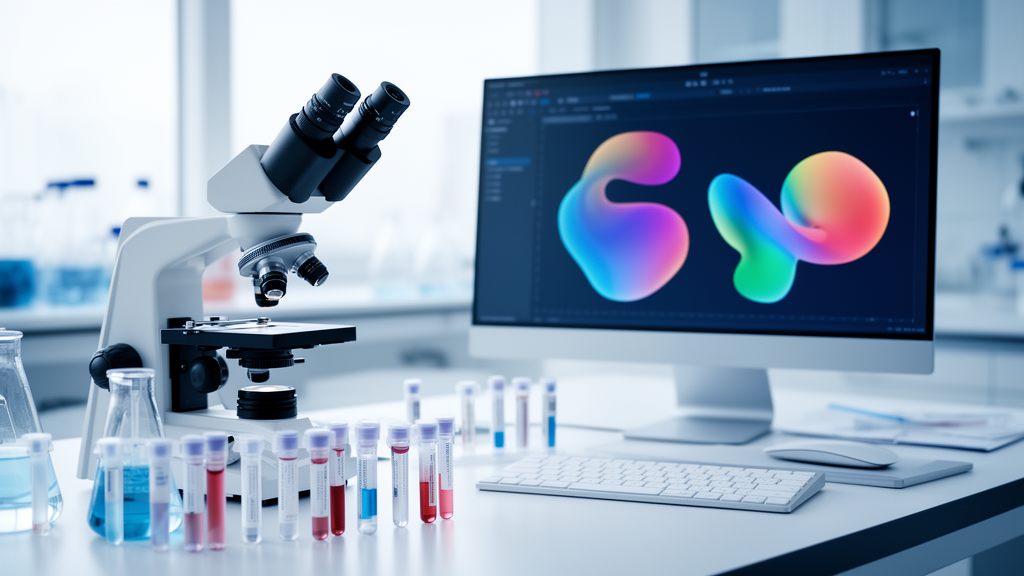
A narrative review reports that polysaccharides, bioactive components found across higher plants and other organisms, have shown potential biological effects in polycystic ovary syndrome (PCOS), including lower blood glucose, reduced serum testosterone, improved menstrual regularity, weight loss and suppression of abnormal inflammation. The findings combine evidence from preclinical and clinical studies rather than results from a new trial, and the review describes polysaccharides as potential complementary therapeutic agents rather than established treatments.

PCOS is characterized in the review as a prevalent and clinically significant reproductive-endocrine disorder among women of childbearing age. The authors organize the evidence around several manifestations of the condition, including insulin resistance, obesity, inflammation and disturbances in sex-hormone balance. Polysaccharides are of interest because earlier studies have reported anti-inflammatory, immunomodulatory, hypoglycemic, lipid-lowering and anti-obesogenic activities. Those broader biological properties provide the rationale for examining whether particular polysaccharides could affect more than one feature of PCOS.

Across the studies summarized by the review, polysaccharides were associated with improvements in menstrual irregularities, body weight, blood glucose and serum testosterone, together with reduced aberrant inflammation. The authors also propose that these compounds could help alleviate clinical manifestations of PCOS, ameliorate insulin resistance and obesity, attenuate inflammatory responses and restore sex-hormone homeostasis. These are the review’s reported potential effects and its interpretation of the cumulative evidence; they do not amount to a uniform finding that every polysaccharide produces every listed outcome.

Because this is a narrative review, its conclusions synthesize evidence from different experimental and clinical settings rather than provide a new controlled comparison or a single pooled estimate of efficacy. The accessible abstract does not identify the individual compounds, doses, formulations, participant characteristics, trial designs or adverse-event results associated with the reported outcomes. It therefore does not support treating evidence for one polysaccharide preparation as interchangeable with evidence for another, or drawing conclusions about comparative effectiveness and long-term safety. Within the scope supported by the review, polysaccharides emerge as candidates for further evaluation as complementary approaches to PCOS management, but the available material does not establish a standardized clinical therapy.

Subject of Research: Reported biological effects of polysaccharides in polycystic ovary syndrome

Article Title: Roles and Biological Effects of Polysaccharides in Polycystic Ovary Syndrome: A Narrative Review

Article References: Ding, N., Sun, C., Wang, H., Lv, Y., Han, Y., & Kuang, H. (2026). Roles and Biological Effects of Polysaccharides in Polycystic Ovary Syndrome: A Narrative Review. Reproductive Sciences. https://doi.org/10.1007/s43032-026-02232-2

Image Credits: AI Generated

DOI: 10.1007/s43032-026-02232-2

Keywords: polycystic ovary syndrome, polysaccharides, insulin resistance, inflammation, obesity, blood glucose, serum testosterone, menstrual irregularity, narrative review, reproductive endocrinology, Roles, Biological

News Source: Ophelia Keating. (October 20, 2026). Review Maps Polysaccharide Effects in Polycystic Ovary Syndrome. Scienmag.

Tags: biologicalblood glucoseinflammationinsulin resistancemenstrual irregularityNarrative reviewobesityPolycystic ovary syndromepolysaccharidesreproductive endocrinologyrolesserum testosterone
Share12Tweet7Share2ShareShareShare1

Related Posts

Sepsis Treatments Shift Toward Precision, Multi-System Pharmacology

Sepsis Treatments Shift Toward Precision, Multi-System Pharmacology

October 20, 2026
Adult fibrous dysplasia shows new rib lesions and unusual bone turnover

Adult fibrous dysplasia shows new rib lesions and unusual bone turnover

October 20, 2026

Retrospective Pará cohort links tuberculosis death to age, HIV and mixed disease

October 20, 2026

Testosterone linked to higher composite cardiovascular risk in postmenopausal women

October 20, 2026

POPULAR NEWS

  • Sepsis Treatments Shift Toward Precision, Multi-System Pharmacology

    Sepsis Treatments Shift Toward Precision, Multi-System Pharmacology

    29 shares
    Share 12 Tweet 7
  • Adult fibrous dysplasia shows new rib lesions and unusual bone turnover

    29 shares
    Share 12 Tweet 7
  • Multimodal model grades plant disease severity from field images

    29 shares
    Share 12 Tweet 7
  • Retrospective Pará cohort links tuberculosis death to age, HIV and mixed disease

    29 shares
    Share 12 Tweet 7

About

We bring you the latest biotechnology news from best research centers and universities around the world. Check our website.

Follow us

Recent News

Sepsis Treatments Shift Toward Precision, Multi-System Pharmacology

Adult fibrous dysplasia shows new rib lesions and unusual bone turnover

Multimodal model grades plant disease severity from field images

Subscribe to Blog via Email

Enter your email address to subscribe to this blog and receive notifications of new posts by email.

Join 85 other subscribers
  • Contact Us

Bioengineer.org © Copyright 2023 All Rights Reserved.

Welcome Back!

Login to your account below

Forgotten Password?

Retrieve your password

Please enter your username or email address to reset your password.

Log In
No Result
View All Result
  • Homepages
    • Home Page 1
    • Home Page 2
  • News
  • National
  • Business
  • Health
  • Lifestyle
  • Science

Bioengineer.org © Copyright 2023 All Rights Reserved.