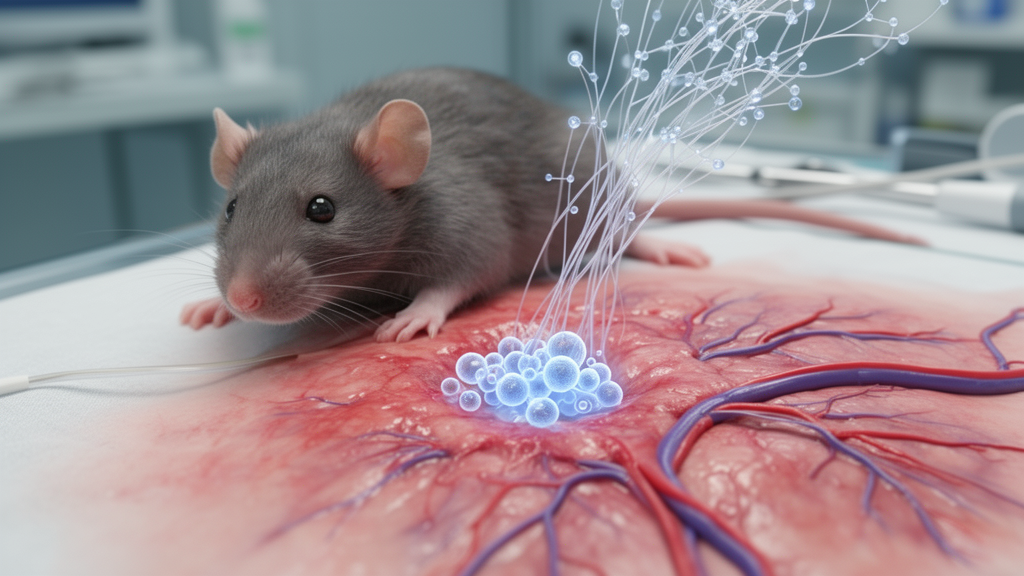
Protein factors collected from healthy wounds during the remodeling phase improved the performance of mesenchymal stem cells in laboratory assays and a diabetic rat model, according to a preclinical study. Researchers conditioned bone marrow-derived mesenchymal stem cells with wound extract obtained nine days after injury in normal or streptozotocin-induced diabetic rats. At a non-cytotoxic concentration of 10 µg/mL, cells conditioned with normal day-9 extract, called N9, increased closure of scratch-wound gaps in vitro. After transplantation into diabetic wounds, N9-conditioned cells significantly accelerated wound closure and improved measures of tissue architecture, collagen organization and vascular remodeling.
Diabetic wounds can experience dysregulated inflammation and impaired progression through the inflammatory, proliferative and remodeling stages of healing. Mesenchymal stem cells have regenerative and paracrine potential, but their function may be compromised within the diabetic wound microenvironment. The study investigated whether factors associated with a particular stage of normal wound repair could condition the cells before they were introduced into diabetic wounds. The investigators isolated and characterized bone marrow-derived mesenchymal stem cells, evaluated extracts from normal and diabetic rat wounds, and used the 10 µg/mL concentration because it did not kill the cells during conditioning.
Scratch assays showed that N9-conditioned mesenchymal stem cells enhanced wound closure in vitro. In contrast, cells conditioned with diabetic day-9 wound extract, designated D9, had elevated expression of inflammatory genes and reduced expression of angiogenic and proliferative markers. These measurements indicate that day-9 extracts from normal and diabetic wounds exerted different molecular effects on the conditioned cells. The findings do not isolate which individual proteins were responsible for those effects or establish how the factor mixture acted over time.
In the diabetic wound transplantation model, N9-conditioned mesenchymal stem cells significantly accelerated wound closure compared with the experimental controls. Histological analysis using hematoxylin and eosin staining indicated restoration of tissue architecture and improved collagen organization. Immunofluorescence for α-smooth muscle actin, or α-SMA, showed an increased number of α-SMA-positive vascular structures, supporting enhanced vascular remodeling in the treated wounds. These observations provide evidence that the normal day-9 extract improved several measured outcomes in diabetic wound repair, although the experiments involved cultured cells and rats rather than people with diabetes.
The study therefore supports phase-specific wound-derived factors as a means of changing mesenchymal stem-cell behavior before transplantation. Its strongest result is that conditioning with N9 produced cells with greater wound-closure activity in vitro and improved closure, tissue structure, collagen organization and α-SMA-positive vascular structures in the rat model. The evidence does not demonstrate clinical benefit in human diabetic wounds, and no human trial was reported. The results offer a preclinical basis for further studying wound-derived protein factors in cell-based repair, while the contribution of individual factors and the relevance of the strategy across settings remain unresolved.
Subject of Research: Preclinical testing of remodeling-phase wound factors and mesenchymal stem cells in diabetic wound repair
Article Title: Remodeling-phase wound-derived protein factors enhance mesenchymal stem cell function and improve diabetic wound healing
Article References: Zaidi, M. B., Aslam, S., Jameel, F., Khan, I., & Salim, A. (2026). Remodeling-phase wound-derived protein factors enhance mesenchymal stem cell function and improve diabetic wound healing. Molecular Biology Reports, 53(1), Article 1515. https://doi.org/10.1007/s11033-026-12706-w
Image Credits: AI Generated
DOI: 10.1007/s11033-026-12706-w
Keywords: mesenchymal stem cells, diabetic wounds, wound healing, tissue remodeling, cell conditioning, vascular remodeling, protein factors, rat model, regenerative medicine, Remodeling-phase, wound-derived, protein
News Source: Drew Townsend. (October 20, 2026). Healthy remodeling-phase wound factors improve stem-cell repair in diabetic rat wounds. Scienmag.