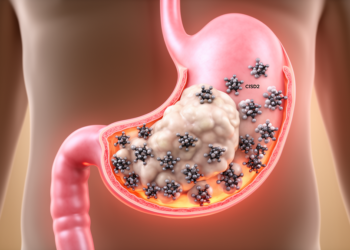
A narrative review of anti-obesity pharmacotherapy concludes that multi-omics can reveal biological differences among people with type 2 diabetes and obesity, but no genomic, metabolomic, lipidomic, proteomic, microbiome, or integrated multi-omics signature is yet validated to guide routine selection of a weight-management medicine. Published in the Journal of Pharmacy & Pharmaceutical Sciences, the review separates population-level benefits demonstrated in clinical trials from candidate biomarkers, exploratory associations, mechanistic explanations, and proposed strategies for matching individual patients to specific drugs. At present, treatment decisions still depend on established factors such as glycemic control, kidney and cardiovascular indications, liver disease, hypoglycemia risk, gastrointestinal tolerability, frailty, nutritional status, patient preference, cost, and access to care.
The review searched peer-reviewed literature, clinical-trial registries, regulatory documents, and official sponsor sources for evidence available through August 2026. It covered approved, under-review, and investigational therapies, giving priority to randomized controlled trials, mechanistic studies, consensus and guideline documents, and human studies of biomarkers, treatment response, and omics-based stratification. Because this was a narrative review rather than a systematic review or meta-analysis, the authors did not register a formal protocol, conduct duplicate study selection or risk-of-bias assessment, or pool results quantitatively. Sponsor communications and registry records were used to describe development or regulatory status when information was not yet available in peer-reviewed publications, and such findings were treated as provisional.
Coexisting obesity and type 2 diabetes form a heterogeneous metabolic phenotype. Excess adiposity, particularly visceral and ectopic fat, can contribute to insulin resistance, inflammation, disturbed adipokine signaling, fatty liver, and impaired glucose regulation, while the two conditions together are associated with cardiovascular disease, chronic kidney disease, metabolic dysfunction-associated steatotic liver disease, heart failure, obstructive sleep apnea, osteoarthritis, and several cancers. People with the same body-mass index and hemoglobin A1c can nevertheless differ substantially in beta-cell reserve, liver fat, insulin resistance, appetite biology, inflammatory activity, skeletal muscle status, kidney function, cardiovascular vulnerability, and medication tolerance. These differences are relevant to treatment, but most have not been validated as predictive biomarkers for choosing one anti-obesity drug over another.
Clinical trials have established weight and glycemic benefits for several incretin-based therapies. Liraglutide demonstrated greater weight reduction than placebo in the SCALE Diabetes trial among adults with overweight or obesity and type 2 diabetes, and its lower antidiabetic dose reduced major adverse cardiovascular events in the LEADER trial. Tirzepatide, which activates GIP and GLP-1 receptors, has established efficacy for body weight and HbA1c. By August 2026, oral semaglutide 25 mg had received US Food and Drug Administration approval for chronic weight management, while the non-peptide oral GLP-1 receptor agonist orforglipron had also received approval. These results support the effectiveness of incretin therapies at population level; they do not show that a molecular test can identify which patient will derive the greatest benefit from one agent rather than another.
More complex drug candidates extend beyond single-receptor incretin therapy. Retatrutide is an investigational weekly GLP-1, GIP, and glucagon receptor agonist whose peer-reviewed phase 2 trial reported dose-dependent weight reduction approaching 24% at 48 weeks; sponsor-reported phase 3 results indicated a mean reduction of 28.3% at 80 weeks with the 12-mg dose. Survodutide, pemvidutide, and mazdutide combine GLP-1 activity with glucagon receptor activation, and amylin-based programs include CagriSema, amycretin, petrelintide, cagrilintide, and eloralintide. MariTide combines GLP-1 agonism with GIP antagonism and is being developed as a monthly injectable. These programs have different phases, populations, formulations, and levels of evidence, so their results should not be treated as interchangeable or ranked conclusively from indirect comparisons.
The biological rationale for these drugs extends beyond appetite suppression. Hormones including GLP-1, GIP, glucagon, peptide YY, and amylin connect the gut, brain, liver, adipose tissue, skeletal muscle, pancreas, kidney, and cardiovascular system. Genomics can capture inherited variation associated with insulin secretion, fat distribution, hepatic lipid metabolism, drug metabolism, and adverse-event susceptibility. Epigenomics may reflect the influence of obesity, hyperglycemia, aging, inflammation, and environmental exposures on metabolic tissues, while transcriptomics and proteomics can illuminate inflammation, tissue remodeling, and organ stress. Metabolomics and lipidomics can track small molecules and lipids associated with insulin resistance, lipotoxicity, and liver disease, and the microbiome may influence incretin secretion, bile-acid metabolism, intestinal barrier function, and gastrointestinal tolerability. These layers are complementary, but biological plausibility is not equivalent to validated clinical utility.
Human studies illustrate why stronger validation is required. In an analysis of 13,123 participants in the MetGen consortium, the SLC2A2 rs8192675 variant was associated with a 0.17-percentage-point greater HbA1c reduction with metformin; among participants with obesity, the CC versus TT genotype was associated with a 0.33-percentage-point greater reduction. A study of 233 adults with type 2 diabetes found that the TT genotype at GLP1R rs10305420 was associated with optimal glycemic response to liraglutide, with an odds ratio of 3.28, a 95% confidence interval of 1.41 to 7.65, and P=0.006. These are candidate pharmacogenetic markers rather than prescribing rules, because neither has been independently validated in a prospective trial showing that genotype-guided treatment improves outcomes. Cross-sectional metabolomic patterns associated with metformin or sulfonylurea response likewise remain exploratory.
A predictive biomarker must also be distinguished from a pharmacodynamic marker. A predictive marker identifies, before treatment, which therapy should provide greater benefit than an alternative. A pharmacodynamic marker instead records a biological change after treatment and may clarify how a drug acts. In 259 adults with type 2 diabetes participating in a phase 2b randomized trial, treatment-induced changes in branched-chain amino acid-related metabolites and lipid species correlated with improvements in HbA1c, HOMA2-IR, and proinsulin, but the study did not establish a pretreatment predictive effect. Multi-omics algorithms face further obstacles, including overfitting, batch effects, platform differences, reproducibility problems, poor calibration, and a lack of transportability across laboratories and populations. Artificial intelligence can integrate molecular, clinical, imaging, digital, and behavioral data, but model sophistication cannot substitute for prospective evidence that its recommendations improve care.
Several practical questions also remain unresolved. Weight loss is not synonymous with preserved muscle health: dual-energy X-ray absorptiometry-derived lean mass includes water and other non-fat tissues, not only contractile skeletal muscle. Trials therefore need more specific muscle assessments, including appendicular lean mass and muscle cross-sectional area or volume measured by computed tomography or magnetic resonance imaging, together with functional outcomes such as handgrip strength, chair-stand performance, gait speed, and the Short Physical Performance Battery. These measures are particularly important for older adults and people with frailty or sarcopenic obesity. Durability is another concern. Participants in the STEP 1 extension regained a substantial portion of previously lost weight after withdrawal of semaglutide 2.4 mg, while withdrawal from tirzepatide in SURMOUNT-4 was followed by weight regain and partial reversal of several cardiometabolic risk-marker improvements. Long-term evaluation must also address gastrointestinal adverse events, gallbladder disease, pancreatitis concerns, heart-rate changes, dehydration, malnutrition, and changes in muscle quantity or function.
The review argues that the next decisive step is not simply identifying more molecular associations, but testing whether they are predictive, reproducible, and clinically useful. Future trials should prespecify candidate biomarkers, formally test interactions between treatment and biomarker status, and include people with diverse ancestries and relevant conditions such as kidney disease, heart failure, fatty liver disease, frailty, and longer-standing diabetes. Metabolic endpoints such as weight, HbA1c, and time in range should be separated from intermediate markers such as liver fat, blood pressure, lipids, and albuminuria, and both should remain distinct from adjudicated cardiovascular and kidney outcomes. Combination, sequencing, induction-maintenance, and de-escalation strategies also require dedicated randomized trials. Until prospective studies show that molecularly guided prescribing improves efficacy, safety, persistence, patient-reported outcomes, or efficiency beyond high-quality conventional care, multi-omics remains a research framework for generating and testing precision-treatment hypotheses rather than a clinically validated component of routine prescribing.
Subject of Research: Multi-omics and anti-obesity drug selection in type 2 diabetes
Article Title: Diabesity: an old term, a modern challenge — multi-omics and precision anti-obesity pharmacotherapy in type 2 diabetes
Article References: Hoffmann, K., Pucek, W. F., Skrzypek, W., Kierzkowski, F., Ratajczak, P., Maggio, V., Rizzo, M., El-Tanani, M., Rabbani, S. A., Bhongade, B., Satyam, S. M., Talath, S., Rangraze, I. R., Wali, A. F., Ibraheem, W., El-Tanani, Y., Ispas, S., Bryl, W., & Paczkowska, A. (2026). Diabesity: an old term, a modern challenge — multi-omics and precision anti-obesity pharmacotherapy in type 2 diabetes. Journal of Pharmacy & Pharmaceutical Sciences, 29, Article 17560. https://doi.org/10.3389/jpps.2026.17560
Image Credits: AI Generated
Keywords: type 2 diabetes, obesity, anti-obesity pharmacotherapy, multi-omics, precision medicine, incretin therapies, biomarkers, clinical trials, body composition, Diabesity, term, modern
News Source: Daisy Hatcher. (October 20, 2026). Narrative Review: Multi-Omics Has Not Validated Anti-Obesity Drug Selection. Scienmag.