• HOME
  • NEWS
  • EXPLORE
    • CAREER
      • Companies
      • Jobs
    • EVENTS
    • iGEM
      • News
      • Team
    • PHOTOS
    • VIDEO
    • WIKI
  • BLOG
  • COMMUNITY
    • FACEBOOK
    • INSTAGRAM
    • TWITTER
Friday, January 2, 2026
BIOENGINEER.ORG
No Result
View All Result
  • Login
  • HOME
  • NEWS
  • EXPLORE
    • CAREER
      • Companies
      • Jobs
        • Lecturer
        • PhD Studentship
        • Postdoc
        • Research Assistant
    • EVENTS
    • iGEM
      • News
      • Team
    • PHOTOS
    • VIDEO
    • WIKI
  • BLOG
  • COMMUNITY
    • FACEBOOK
    • INSTAGRAM
    • TWITTER
  • HOME
  • NEWS
  • EXPLORE
    • CAREER
      • Companies
      • Jobs
        • Lecturer
        • PhD Studentship
        • Postdoc
        • Research Assistant
    • EVENTS
    • iGEM
      • News
      • Team
    • PHOTOS
    • VIDEO
    • WIKI
  • BLOG
  • COMMUNITY
    • FACEBOOK
    • INSTAGRAM
    • TWITTER
No Result
View All Result
Bioengineer.org
No Result
View All Result
Home NEWS Science News Biology

Nature Conservation special: Guidelines for the monitoring of beetles protected in Europe

Bioengineer by Bioengineer
August 31, 2017
in Biology
Reading Time: 2 mins read
0
Share on FacebookShare on TwitterShare on LinkedinShare on RedditShare on Telegram
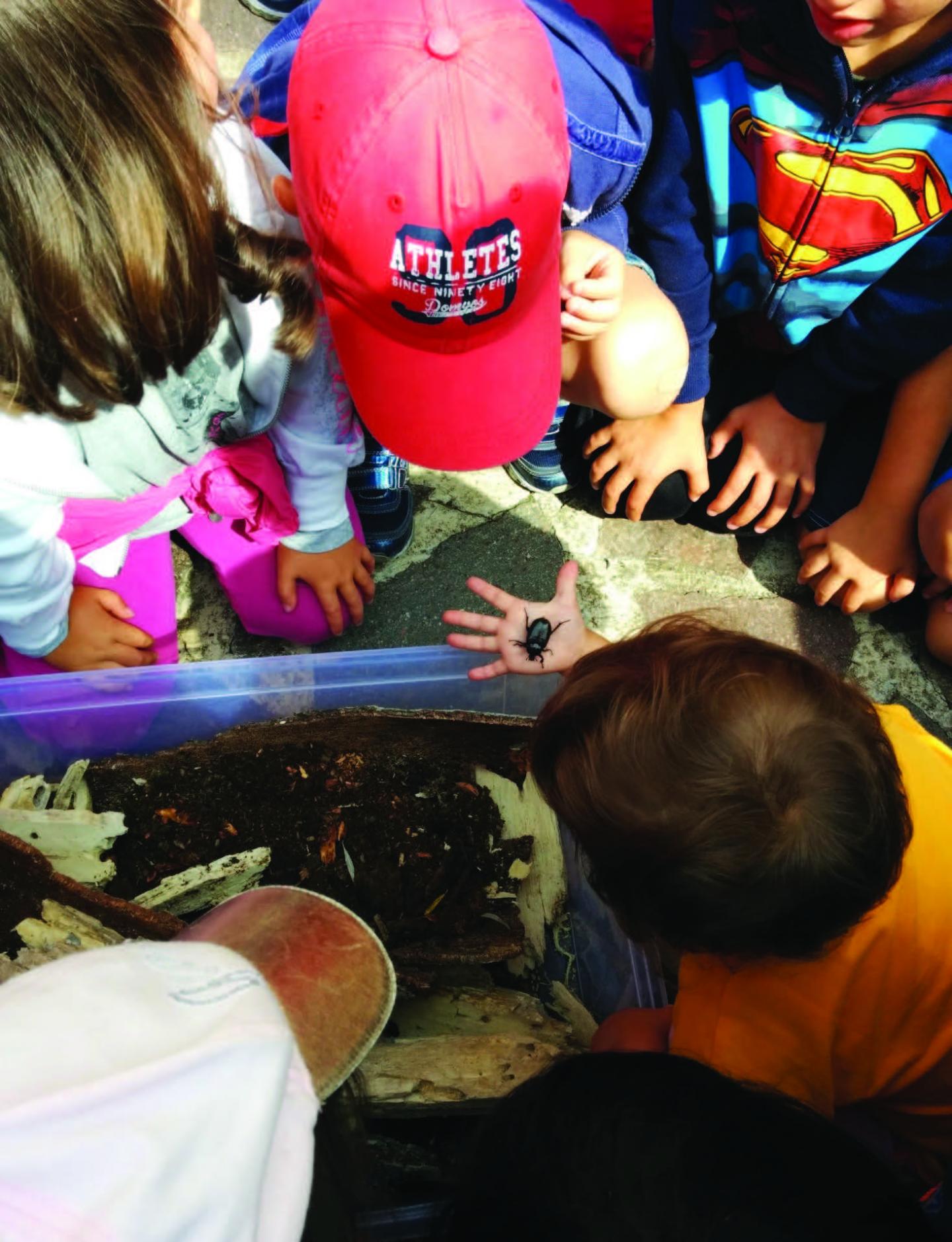
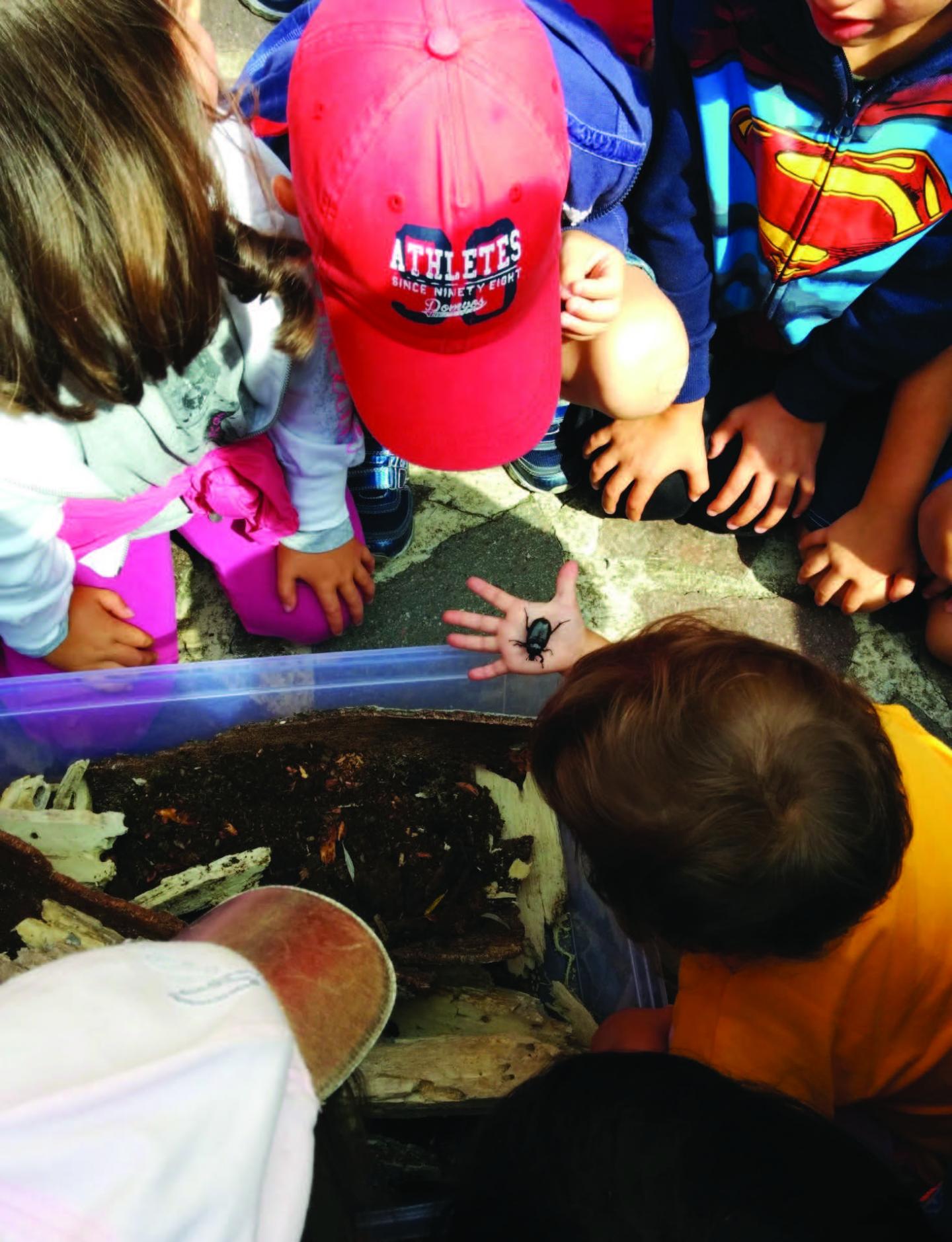
IMAGE

Credit: Michela Maura

In a set of eight research publications, scientists tested various methods for the monitoring of five European saproxylic (i.e. dependent on dead wood) beetle species protected by the Habitats Directive. The aim of their work was to test and propose a standard method for each species. A key role in this conservation initiative was played by citizen scientists who made it possible for sufficient data to be collected within a significantly shorter time frame.

The special issue "Guidelines for the monitoring of the saproxylic beetles protected in Europe" is the second in succession published in the open access journal Nature Conservation. Both are produced within the framework of the European Union's LIFE Programme Project "Monitoring of insects with public participation" (LIFE11 NAT/IT/000252 MIPP) and were presented at the European Workshop held in Mantova in May 2017. Colonel Franco Mason, project manager of the MIPP project, notes that the workshop was aimed primarily at monitoring of saproxylic beetles.

While the first article collection focused on reporting recent findings derived from monitoring surveys across the European Union, the papers in the latest issue are devoted to testing various methods for the monitoring of five selected species of protected beetles, in order to determine the most efficient methods and, subsequently, to propose them as standard methods.

Curiously, the public participation in the project was not limited to ecology and entomology semi-experts and aficionados. The team specifically targeted children when recruiting volunteers. One of the dissemination activities of the MIPP project was the "MIPP-iacciono gli insetti" (translated to "I like insects" from Italian), where 3000 students from primary to high school undertook 60 activities per year in order to learn how to locate and identify the target insects.

"Participation by children in environmental education programmes seems to have a great impact on their attitude and behaviour," notes Giuseppe Carpaneto, Roma Tre University and his co-authors in their introductory article.

"Some studies have shown that children who participate in such programmes are more concerned about nature, want to learn more about environmental issues and are more prone to follow pro-environmental behaviour (e.g. waste recycling) than children who did not participate".

In another article, included in the special issue, Fabio Mosconi of the Italian Agricultural Research Council and Sapienza University of Rome and his co-authors tested whether a specially trained Golden Retriever could locate the threatened hermit beetle faster and more efficiently than scientists using the standard "wood mould sampling" method.

###

Additional information:

About the Life project MIPP

The main objective of the project MIPP is to develop and test methods for the monitoring of five beetle species listed in Annexes II and IV of the Habitats Directive (Osmoderma eremita, Lucanus cervus, Cerambyx cerdo, Rosalia alpina, Morimus funereus).

Media Contact

Alessandro Campanaro
[email protected]
@Pensoft

http://www.pensoft.net

Share12Tweet8Share2ShareShareShare2

Related Posts

Addendum: Cryo-EM Reveals RNA-Rich Plant Mito Ribosome

Addendum: Cryo-EM Reveals RNA-Rich Plant Mito Ribosome

January 2, 2026
Phage Cas12p Nucleases Need Thioredoxin to Cut DNA

Phage Cas12p Nucleases Need Thioredoxin to Cut DNA

January 2, 2026

Foreign Bodies in Sheep and Goats: Prevalence and Risks

December 31, 2025

Rethinking Gender Inference from Health Record Algorithms

December 31, 2025
Please login to join discussion

POPULAR NEWS

  • blank

    PTSD, Depression, Anxiety in Childhood Cancer Survivors, Parents

    115 shares
    Share 46 Tweet 29
  • NSF funds machine-learning research at UNO and UNL to study energy requirements of walking in older adults

    71 shares
    Share 28 Tweet 18
  • Exploring Audiology Accessibility in Johannesburg, South Africa

    52 shares
    Share 21 Tweet 13
  • SARS-CoV-2 Subvariants Affect Outcomes in Elderly Hip Fractures

    44 shares
    Share 18 Tweet 11

About

We bring you the latest biotechnology news from best research centers and universities around the world. Check our website.

Follow us

Recent News

Electrically Tunable 2D Excitonic Metasurface Modulation

OAM Multiplication Sparks Advanced Holographic Multiplexing

IL-10 Targeting LDL Lowers Vascular Inflammation in Atherosclerosis

Subscribe to Blog via Email

Enter your email address to subscribe to this blog and receive notifications of new posts by email.

Join 71 other subscribers
  • Contact Us

Bioengineer.org © Copyright 2023 All Rights Reserved.

Welcome Back!

Login to your account below

Forgotten Password?

Retrieve your password

Please enter your username or email address to reset your password.

Log In
No Result
View All Result
  • Homepages
    • Home Page 1
    • Home Page 2
  • News
  • National
  • Business
  • Health
  • Lifestyle
  • Science

Bioengineer.org © Copyright 2023 All Rights Reserved.