• HOME
  • NEWS
  • EXPLORE
    • CAREER
      • Companies
      • Jobs
    • EVENTS
    • iGEM
      • News
      • Team
    • PHOTOS
    • VIDEO
    • WIKI
  • BLOG
  • COMMUNITY
    • FACEBOOK
    • INSTAGRAM
    • TWITTER
Tuesday, October 20, 2026
BIOENGINEER.ORG
No Result
View All Result
  • Login
  • HOME
  • NEWS
  • EXPLORE
    • CAREER
      • Companies
      • Jobs
        • Lecturer
        • PhD Studentship
        • Postdoc
        • Research Assistant
    • EVENTS
    • iGEM
      • News
      • Team
    • PHOTOS
    • VIDEO
    • WIKI
  • BLOG
  • COMMUNITY
    • FACEBOOK
    • INSTAGRAM
    • TWITTER
No Result
View All Result
Bioengineer.org
No Result
View All Result
Home NEWS Science News Technology

NiCoP nanoflower sensor simultaneously detects three chemical analytes

by
October 20, 2026
in Technology
Reading Time: 2 mins read
0
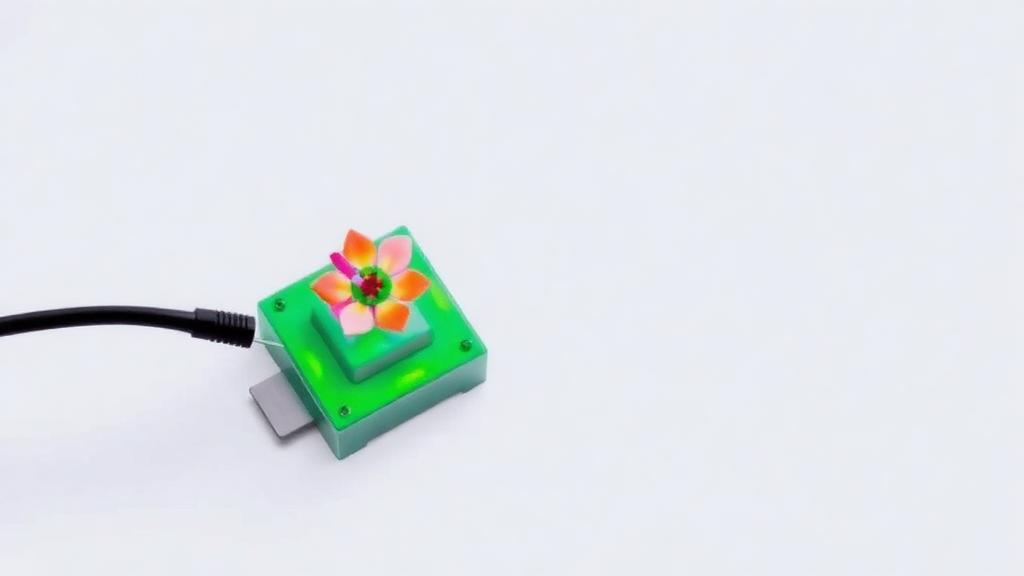
NiCoP nanoflower sensor simultaneously detects three chemical analytes

NiCoP nanoflower sensor simultaneously detects three chemical analytes

Share on FacebookShare on TwitterShare on LinkedinShare on RedditShare on Telegram

A bimetallic nickel-cobalt phosphide sensor developed for environmental analysis can simultaneously determine hydroquinone, catechol and acetaminophen in water samples. The researchers coated a glassy carbon electrode with flower-shaped NiCoP structures and reported detection limits of 5.23 micromolar for hydroquinone, 10.24 micromolar for catechol and 9.53 micromolar for acetaminophen. Under optimized conditions, the electrode also showed good selectivity and stability and achieved satisfactory recoveries when the three analytes were quantified in real water samples.

The material was synthesized through a two-step hydrothermal and phosphorization strategy. Its three-dimensional nanoflower architecture consists of interconnected nanosheets, producing a hierarchical structure with a large specific surface area and abundant accessible active sites. When deposited on the glassy carbon electrode, NiCoP exhibited good electrocatalytic activity toward the oxidation of hydroquinone, catechol and acetaminophen.

The sensor’s calibrated operating ranges extended from 10 to 100,000 micromolar for hydroquinone, from 25 to 19,000 micromolar for catechol and from 25 to 15,000 micromolar for acetaminophen. The hydroquinone range spans four orders of magnitude, while the ranges for catechol and acetaminophen each span approximately three orders of magnitude. The reported detection limit for hydroquinone was the lowest of the three, followed by acetaminophen and then catechol.

These values characterize performance under the optimized conditions used by the researchers; the supplied study summary does not provide the number of replicate measurements or the uncertainty estimates associated with each calibration result. Real-water testing provided the practical validation of the sensor. The investigators quantified hydroquinone, catechol and acetaminophen in water samples and reported satisfactory recoveries for all three analytes, indicating that the electrode could measure the targets in the tested samples as well as under controlled laboratory conditions.

The available evidence does not identify the number or composition of the real-water samples, the full set of tested interferents or the extent to which results would change across other water matrices. The findings support the use of NiCoP as a promising sensing material for environmental monitoring, but they do not establish performance in every environmental setting or establish a clinical use for the sensor.

Subject of Research: Electrochemical sensing of hydroquinone, catechol and acetaminophen with a bimetallic NiCoP nanoflower electrode

Article Title: Bimetallic NiCoP nanoflowers as an efficient electrochemical platform for simultaneous detection of hydroquinone, catechol, and acetaminophen

Article References: Chang, T., Shi, Y., Wu, P., Xie, W., Hao, R., Gao, X., & Lu, W. (2026). Bimetallic NiCoP nanoflowers as an efficient electrochemical platform for simultaneous detection of hydroquinone, catechol, and acetaminophen. Journal of Materials Science, 61(42), 33005-33018. https://doi.org/10.1007/s10853-026-13707-7

Image Credits: AI Generated

DOI: 10.1007/s10853-026-13707-7

Keywords: NiCoP, electrochemical sensor, nanoflowers, glassy carbon electrode, hydroquinone, catechol, acetaminophen, environmental monitoring, bimetallic phosphide, water analysis, Bimetallic, efficient

News Source: Denise Maddox. (October 20, 2026). NiCoP nanoflower sensor simultaneously detects three chemical analytes. Scienmag.


Tags: acetaminophenBimetallicbimetallic phosphidecatecholefficientElectrochemical sensorenvironmental monitoringglassy carbon electrodehydroquinonenanoflowersNiCoPwater analysis
Share12Tweet7Share2ShareShareShare1

Related Posts

Video-analysis study finds hybrid computer vision tracks soccer offside positions

Video-analysis study finds hybrid computer vision tracks soccer offside positions

October 20, 2026
Magnetic Survey Identifies Potential Leachate Pathways in Indonesian Landfill

Magnetic Survey Identifies Potential Leachate Pathways in Indonesian Landfill

October 20, 2026

Biomass feedstock variation shapes carbon material performance

October 20, 2026

Neural network predicts mine ecological quality one year ahead

October 20, 2026

POPULAR NEWS

  • Research report: A new species of Cleruchus ( Hymenoptera , Mymaridae ), an egg parasitoid of the invasive Cis chinensis ( Coleoptera , Ciidae ) in Switzerland, with new records of other congeners in Europe

    Research report: A new species of Cleruchus ( Hymenoptera , Mymaridae ), an egg parasitoid of the invasive Cis chinensis ( Coleoptera , Ciidae ) in Switzerland, with new records of other congeners in Europe

    29 shares
    Share 12 Tweet 7
  • Research report: Home-based non-pharmacological interventions for cognition and diabetes self-management in adults with type 2 diabetes: a systematic review

    29 shares
    Share 12 Tweet 7
  • Hekou Paddy Frog Confirmed in Vietnam, Expanding Its Known Range

    29 shares
    Share 12 Tweet 7
  • Rare Y-chromosome polymorphism found in one Kangayam bull

    29 shares
    Share 12 Tweet 7

About

We bring you the latest biotechnology news from best research centers and universities around the world. Check our website.

Follow us

Recent News

Research report: A new species of Cleruchus ( Hymenoptera , Mymaridae ), an egg parasitoid of the invasive Cis chinensis ( Coleoptera , Ciidae ) in Switzerland, with new records of other congeners in Europe

Research report: Home-based non-pharmacological interventions for cognition and diabetes self-management in adults with type 2 diabetes: a systematic review

Hekou Paddy Frog Confirmed in Vietnam, Expanding Its Known Range

Subscribe to Blog via Email

Enter your email address to subscribe to this blog and receive notifications of new posts by email.

Join 85 other subscribers
  • Contact Us

Bioengineer.org © Copyright 2023 All Rights Reserved.

Welcome Back!

Login to your account below

Forgotten Password?

Retrieve your password

Please enter your username or email address to reset your password.

Log In
No Result
View All Result
  • Homepages
    • Home Page 1
    • Home Page 2
  • News
  • National
  • Business
  • Health
  • Lifestyle
  • Science

Bioengineer.org © Copyright 2023 All Rights Reserved.