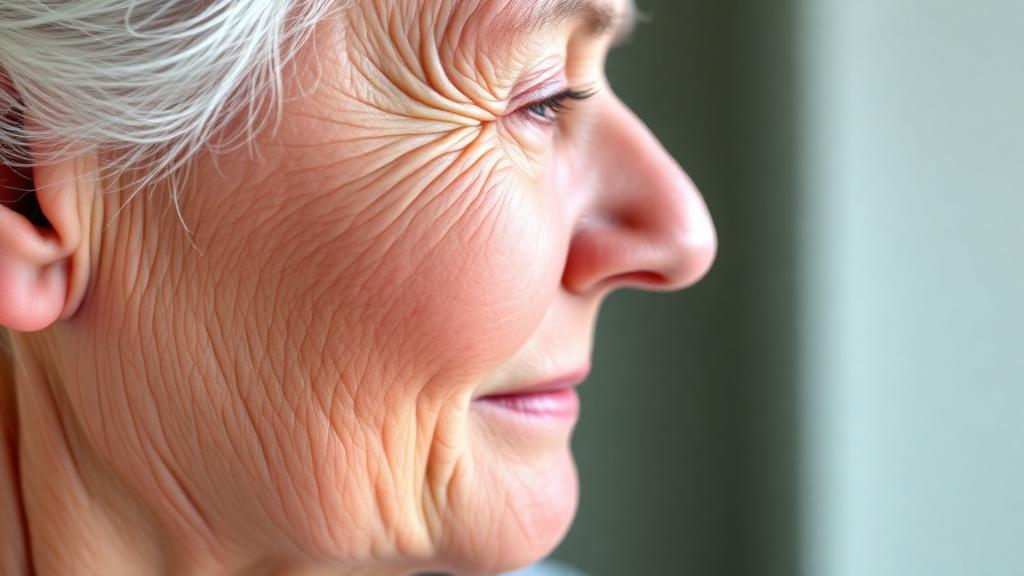
The skin is the body’s largest organ and one of the most visible record-keepers of a lifetime. Over decades it absorbs ultraviolet radiation, chemical exposures, mechanical stress, and the slow biochemical drift of cellular aging. By the time people reach their sixties, seventies, and beyond, those accumulated insults combine with intrinsic aging processes to produce a uniquely vulnerable tissue. That vulnerability is the focus of a growing research effort in geriatric dermatology, a field dedicated to understanding and treating the distinct skin health needs of older adults. BMC Geriatrics, a peer-reviewed open access journal focused on health and healthcare in people aged 60 and older, has launched a dedicated collection on the topic, signalling that the clinical and scientific community is paying renewed attention to skin as a central component of healthy aging.
The rationale behind the initiative rests on a simple but consequential observation: older skin is not merely adult skin with more wrinkles. Structural and functional changes unfold at every level of the organ. The epidermis thins and its barrier function declines, allowing more water loss and less protection against irritants and pathogens. Cell turnover slows, delaying the repair of everyday micro-injuries. The dermis loses collagen and elastin, weakening mechanical resilience so that minor friction or shear can produce full-thickness injuries. Immune surveillance of the skin diminishes, and cumulative ultraviolet exposure compounds all of these changes. The combined effect is a population that faces heightened risks of skin cancers, infections, chronic dryness, and delayed wound healing compared with younger patients.
Each of those risks carries real clinical weight. Skin cancers, including those arising from sun-damaged tissue such as actinic keratoses, become more common and more challenging to manage in older patients who often live with multiple chronic conditions. Infections, whether bacterial, fungal, or viral, take hold more readily in compromised skin and can spread faster in immune systems weakened by age. Chronic dryness, known clinically as xerosis cutis, is widespread among older adults and serves as both a distressing condition in its own right and a gateway to itching, cracking, and secondary infection. Meanwhile, wounds that would close quickly in younger skin can linger for weeks or months in older patients, raising the risk of complications and eroding quality of life.
Among the most preventable yet persistent problems in geriatric care are mechanical and moisture-related skin injuries. Pressure ulcers develop when sustained pressure, often in patients with limited mobility, cuts off blood supply to the skin and underlying tissue. Skin tears occur when fragile skin is subjected to even minor trauma, a routine hazard of transfers, dressing changes, and daily care in long-term settings. Incontinence-associated dermatitis arises when prolonged exposure to moisture and irritants breaks down the skin barrier. These conditions are hallmarks of care dependency, and their prevention depends on practical, evidence-based protocols that staff in acute hospitals and nursing homes can apply under routine conditions rather than ideal laboratory settings.
A recently published research article in the collection illustrates the psychosocial dimension of skin disease in later life. The study examined psychological symptom burden among older dermatology outpatients and analysed its clinical, social, and medication-related associations. The work underscores a point that geriatric specialists have long argued: skin conditions in older adults are not simply cosmetic inconveniences. Visible disease, chronic itching, pain, and disfigurement can contribute to anxiety, depression, and social withdrawal, and the medication regimens used to treat dermatological conditions can themselves interact with psychological health. Understanding these connections is essential for holistic care that treats the patient rather than the lesion.
The psychosocial burden is compounded by the realities of multimorbidity. Older patients typically see multiple specialists, take numerous medications, and manage several chronic diseases at once. Dermatological drugs can interact with treatments for cardiovascular disease, diabetes, or cognitive impairment, making pharmacological management in this population a careful balancing act. Research into dermatological pharmacology and drug interactions in older patients therefore ranks among the field’s priorities, alongside studies of topical therapy, laser treatment efficacy, and skin cancer detection strategies tailored to the physiology and priorities of older bodies.
Therapeutic options have genuinely expanded in recent years. Topical formulations have grown more sophisticated, offering targeted delivery of active ingredients with improved tolerability for aged skin. Laser treatments, once reserved largely for cosmetic indications, now play documented roles in managing certain dermatological conditions. Advances in wound care materials and barrier products have given clinicians better tools for maintaining skin integrity in vulnerable populations. Yet the field faces a persistent gap: much dermatological evidence is generated in younger or mixed-age populations, and older adults with their thinner skin, altered pharmacokinetics, and competing health priorities are often under-represented in trials. Collections like the one at BMC Geriatrics aim to close that evidence gap by concentrating research specifically on the aging population.
The editorial leadership of the collection reflects its interdisciplinary scope. Dr Monira El Genedy-Kalyoncu, a postdoctoral researcher at the Institute for Clinical Nursing Science at Charité – Universitätsmedizin Berlin, brings expertise in topical interventions to maintain skin integrity in aged and care-dependent individuals, with research spanning the epidemiology and prevention of incontinence-associated dermatitis, skin tears, pressure ulcers, and xerosis cutis in acute and long-term care. Dr Aditya Gupta, Professor in the Division of Dermatology at the University of Toronto, contributes deep experience in superficial fungal infections and hair disorders. Dr Shangshang Wang, a physician-scientist at Huashan Hospital, Fudan University in Shanghai, adds expertise in inflammatory skin diseases such as atopic dermatitis and psoriasis and in dermatologic surgery, along with involvement in clinical trials of novel therapeutics for refractory inflammatory conditions.
Topics invited for the collection span the full breadth of the field: management of actinic keratosis in older patients, advances in topical therapy for aging skin, psychosocial determinants and effects of skin diseases, efficacy of laser therapy, skin cancer detection and treatment strategies, prevention and management of pressure ulcers, skin tears, and infections, maintenance of skin integrity in long-term and acute care settings, bacterial, fungal, and viral skin infections, and dermatological pharmacology and drug interactions. Submissions are assessed under the journal’s standard editorial and peer-review policies, with reviewers and editors required to declare competing interests. The journal operates an open access model, reporting an impact factor of 4.5 for 2025 and a median time of ten days from submission to first decision.
Why does this matter beyond the clinic? The world’s population is aging at unprecedented speed, and skin health sits at the intersection of infection control, mobility, independence, and dignity. Chronic wounds and pressure ulcers drive hospitalizations and healthcare costs; skin cancers impose surgical burdens on increasingly frail patients; and untreated dermatological disease erodes mental health in a group already at elevated risk of isolation. Framing skin as a core organ of geriatric medicine, rather than an afterthought, positions researchers to develop prevention strategies and targeted therapies that account for comorbidities and care dependency. If the collection succeeds in drawing rigorous, patient-centered research, its findings could translate directly into better protocols for nursing homes, smarter prescribing for multimorbid patients, and earlier detection of skin cancers, all of which contribute to a larger goal: promoting healthier aging through improved skin care for one of the most vulnerable and fastest-growing populations in modern medicine.
Subject of Research: Skin health and dermatological disease in older adults, including wound healing, skin cancer, infections, and psychosocial burden
Article Title: Geriatric dermatology
Article References: Geriatric dermatology. Original publication (Bibliographic details unavailable.)
Image Credits: AI Generated
DOI: Not provided
Keywords: geriatric dermatology, aging skin, skin cancer, pressure ulcers, skin tears, xerosis cutis, wound healing, topical therapy, psychosocial burden, skin infections, BMC Geriatrics, healthy aging
News Source: Beatrice Stafford. (October 19, 2026). Aging Skin Emerges as a Growing Frontier in Geriatric Medicine. Scienmag.