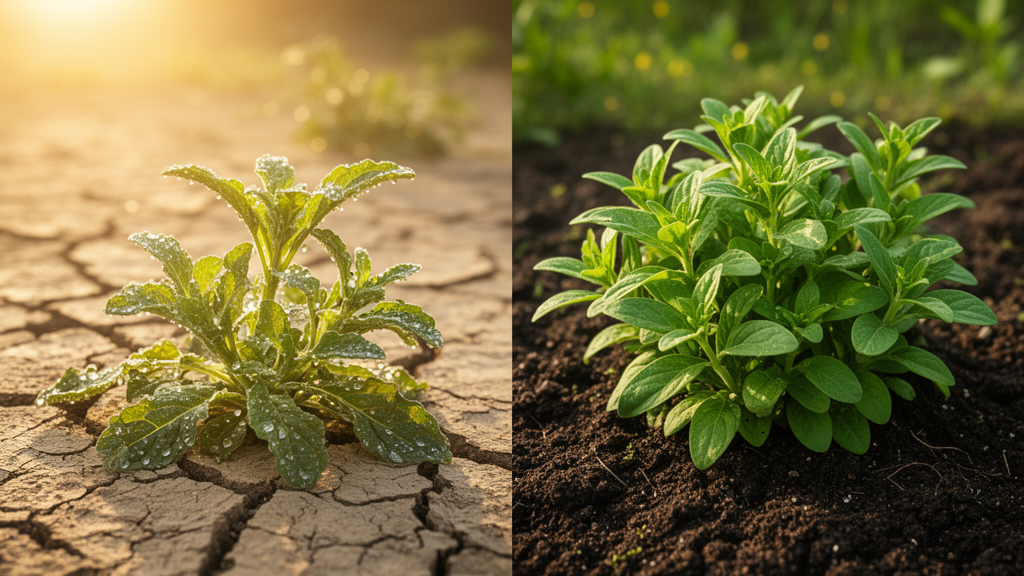
As global climate patterns shift toward more frequent and severe arid conditions, understanding how plants adapt to water scarcity has become a critical priority for agricultural science and conservation biology. A new study published in BMC Plant Biology offers a detailed look into the intricate mechanisms by which specific plant populations respond to drought, revealing that these responses are not uniform but are heavily influenced by local genetic adaptations known as ecotypes. The research focuses on Ziziphora clinopodioides, a medicinal and aromatic plant species native to Iran, which is valued for its essential oils and potential applications in traditional medicine and the pharmaceutical industry. By examining five distinct ecotypes of this species, researchers have uncovered a complex interplay between structural changes, biochemical production, and gene expression that allows the plant to survive and even thrive under water-limited conditions.
The study, led by researchers from the University of Tehran and the University of Maragheh, investigated how different irrigation regimes affect the plant’s secondary metabolism. The team subjected the plants to three distinct conditions: well-watered controls, long-term drought where irrigation was withheld during the vegetative stage, and short-term drought where water was restricted during the flowering stage. This experimental design allowed the scientists to isolate the specific impacts of drought timing and duration on the plant’s physiological and chemical profiles. The findings suggest that the timing of water stress plays a crucial role in determining the magnitude of the plant’s response, with long-term drought inducing more profound changes in both structure and chemical composition than short-term stress.
One of the most striking findings was the significant increase in glandular trichome density across all ecotypes when exposed to long-term drought. Glandular trichomes are specialized hair-like structures on the plant surface that produce and store essential oils, acting as both a physical barrier against water loss and a chemical defense mechanism against herbivores. The ecotypes from Velian and Taleghan exhibited the most pronounced increase in trichome density, suggesting a strong local adaptation to arid environments. This structural change is not merely a defensive measure; it is directly linked to the plant’s ability to produce higher quantities of valuable secondary metabolites. The increased surface area provided by the denser trichomes likely facilitates greater storage capacity for essential oils, thereby enhancing the plant’s overall chemical output under stress.
Concurrently with the structural changes, the researchers observed a marked increase in the concentration of phenolic compounds and flavonoids in the drought-stressed plants. These compounds are known for their antioxidant properties and their role in protecting plant cells from oxidative stress caused by drought. The total phenolic content rose significantly, indicating that the plants were activating their internal defense systems to cope with the cellular damage associated with water deficit. This biochemical shift is a common response in many plant species, but the specific magnitude and timing of this response varied among the different ecotypes, further highlighting the importance of intraspecific diversity in plant stress tolerance.
Perhaps the most economically significant finding was the 63% increase in essential oil content observed in the plants subjected to long-term drought. The essential oil content reached a peak of 1.93% by volume-to-weight ratio, a substantial increase compared to the well-watered controls. This finding challenges the common assumption that drought stress invariably reduces the yield of aromatic compounds in medicinal plants. Instead, for Z. clinopodioides, water scarcity appears to act as a stimulant for essential oil production. The Galugah ecotype stood out in this regard, exhibiting the highest essential oil content and yield among all the evaluated groups, making it a prime candidate for cultivation in water-limited regions.
The composition of the essential oil also underwent significant changes, with the concentration of pulegone, a major monoterpene responsible for the plant’s characteristic minty aroma, increasing in most ecotypes. In the Taleghan ecotype, pulegone content reached an impressive 53.02% under long-term drought conditions. This shift in chemical profile suggests that the plant is reallocating its metabolic resources toward the production of specific compounds that may offer greater survival advantages or higher ecological value. However, the Kabudarahang ecotype presented a contrasting response, maintaining a distinct chemotype dominated by 1,8-cineole, another monoterpene with different biological activities. This divergence in chemical response underscores the genetic variability within the species and the potential for selecting specific ecotypes based on desired chemical profiles.
To understand the molecular basis of these changes, the researchers analyzed the expression of key genes involved in pulegone biosynthesis in the Velian ecotype. They found that long-term drought led to increased transcript abundance of Limonene Hydroxylase (LH) and Isopiperitenol Dehydrogenase (IPD) genes. These enzymes are critical steps in the metabolic pathway that converts limonene into pulegone. The upregulation of these genes coincided with the observed increases in glandular trichome density, essential oil content, and pulegone accumulation, providing a clear link between transcriptional regulation and biochemical output. This molecular evidence confirms that the plant’s response to drought is not random but is governed by specific genetic programs that enhance the production of protective and aromatic compounds.
The implications of these findings extend beyond basic plant physiology into the realm of agricultural practice and climate-smart cultivation. The superior performance of the Galugah, Velian, and Taleghan ecotypes suggests that Z. clinopodioides could be a promising species for cultivation in regions facing increasing water scarcity. By selecting and breeding for ecotypes that respond positively to drought by increasing their essential oil production, farmers and researchers can develop crop varieties that are both resilient to climate change and economically valuable. This approach, known as climate-smart agriculture, aims to enhance productivity while reducing environmental impact, and the results of this study provide a strong scientific foundation for such efforts.
Furthermore, the study highlights the importance of preserving intraspecific diversity in medicinal plants. The distinct responses of different ecotypes to the same environmental stressor indicate that genetic variation within a species is a valuable resource for adaptation and breeding. If only a single ecotype were cultivated, the potential for selecting drought-tolerant and high-yielding varieties would be significantly reduced. Therefore, conservation efforts should focus on maintaining the genetic diversity of Z. clinopodioides and other medicinal plant species to ensure that future generations have access to the full range of adaptive traits necessary for survival in a changing climate.
In conclusion, this research provides a comprehensive understanding of how Ziziphora clinopodioides responds to drought stress at multiple levels, from gene expression to chemical composition. The findings demonstrate that drought can induce beneficial changes in essential oil production, provided that the appropriate ecotype is selected. This knowledge opens new avenues for the sustainable cultivation of medicinal plants in arid regions, offering a solution to the dual challenges of food and medicine security in the face of climate change. As the world grapples with the impacts of global warming, studies like this one are essential for developing strategies that harness the natural resilience of plants to create more robust and productive agricultural systems.
Subject of Research: Ecotype-dependent drought responses and pulegone biosynthesis in Ziziphora clinopodioides
Article Title: Ecotype-dependent drought responses in Ziziphora clinopodioides: from trichome development to pulegone biosynthesis
Article References: Moradi, M., Nazeri, V., Shokrpour, M., & Morshedloo, M. (2026). Ecotype-dependent drought responses in Ziziphora clinopodioides: from trichome development to pulegone biosynthesis. BMC Plant Biology. https://doi.org/10.1186/s12870-026-09963-z
Image Credits: AI Generated
DOI: 10.1186/s12870-026-09963-z
Keywords: Ziziphora clinopodioides, Drought stress, Ecotype variation, Glandular trichomes, Pulegone biosynthesis, Essential oil, Plant physiology, Climate-smart agriculture, Secondary metabolism, Gene expression, Ecotype-dependent, drought
News Source: Juliet Wilcox. (October 18, 2026). Drought Triggers Complex Chemical Shifts in Medicinal Plant Ecotypes. Scienmag.