Credit: Intermountain Medical Center
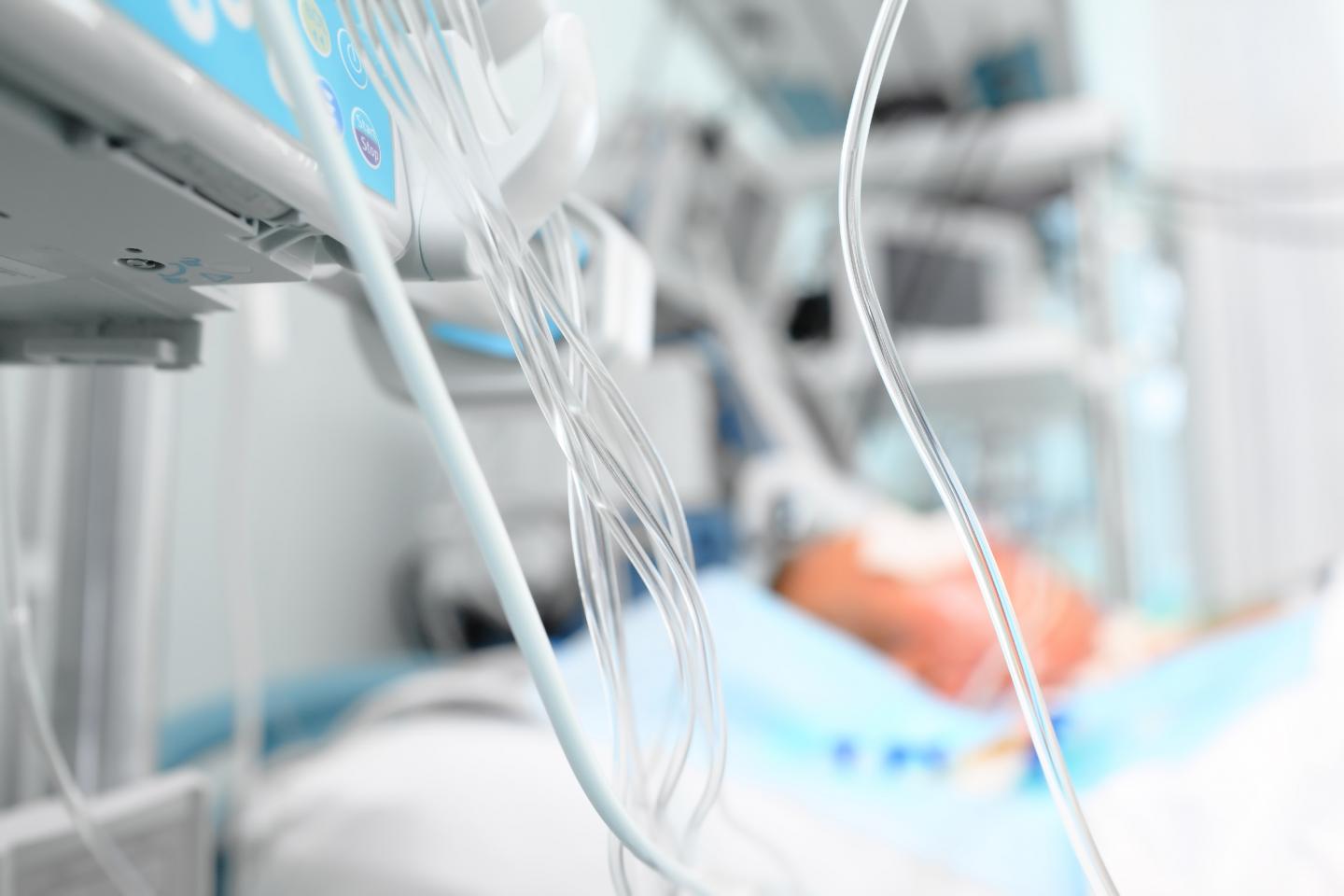
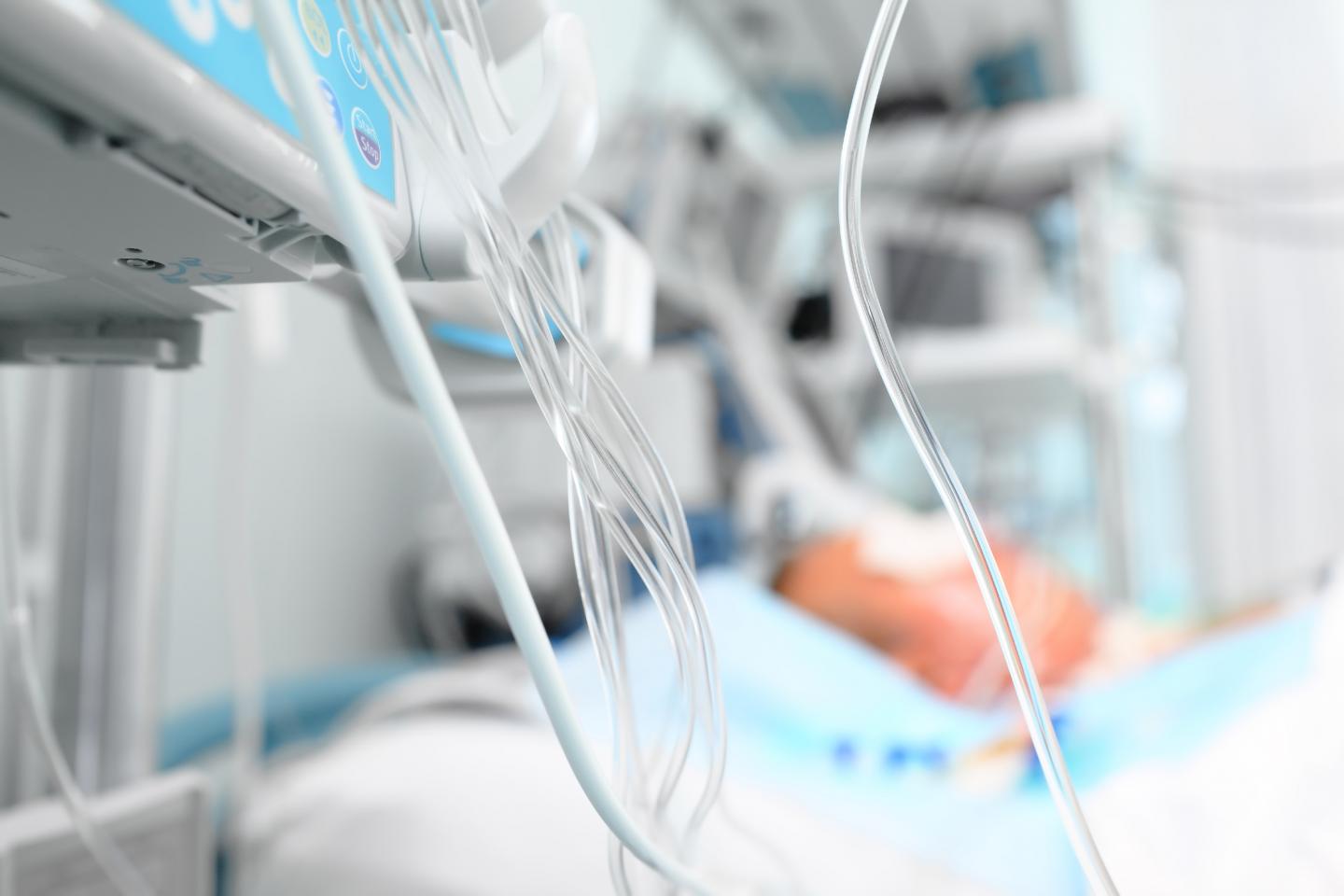
Patients who survive acute respiratory distress syndrome (ARDS) often leave a hospital intensive care unit with debilitating mental, physical, or cognitive problems that may limit their quality of life.
Now, a new study of 645 ARDS survivors by researchers at Intermountain Medical Center, Johns Hopkins University, and the University of Utah, has identified subgroups of ARDS survivors who suffer what's been called post-intensive care syndrome, a collection of symptoms that can linger for years.
"A lot of work has been done around post-intensive care syndrome. We're realizing the people who are surviving are often terribly wounded, and they have emotional and psychological distress as severe as combat veterans returning from war," said Samuel M. Brown, MD, lead author of the study and director of the Center for Humanizing Critical Care at Intermountain Medical Center in Salt Lake City. "They may have profound weakness or shortness of breath or other important limitations to their quality of life after they survive."
Results of the new study, which was funded by the National Heart Lung and Blood Institute, are published in Thorax, one of the world's leading journals for specialists in respiratory and critical care medicine.
ARDS is a potentially life-threatening injury to the lungs that occurs most often in an intensive care unit among critically-ill patients with pneumonia or other infections, although it can have other causes.
When a patient is afflicted with ARDS, fluid leaks into the lungs' tiny air sacs, called alveoli, which are supposed to inflate with air. As a result, the patients may have an extremely hard time breathing and their blood carries inadequate levels of oxygen, which is needed to fuel organs.
For many ARDS patients, the primary symptom is shortness of breath so severe they require lung life-support therapies in order to breathe. ARDS can kill, and older patients are especially vulnerable.
Many ARDS survivors leave the hospital with an array of challenges that form post-intensive care syndrome. The survivors may live with long-term effects, including permanent lung damage and different degrees of physical, cognitive, and mental health problems.
The National Heart and Lung Institute Task Force on Respiratory Distress Syndromes believes as many as 150,000 new cases of ARDS are diagnosed in the United States each year.
"If you had ARDS 25 years ago, we thought we saved your life in the intensive care unit, so we'd say, 'All is well, off you go — you'll be fine,'" said Dr. Brown. "We had no idea as doctors how wrong we were about life after ARDS."
During the last quarter-century, the symptoms of post-intensive care syndrome have been increasingly recognized and understood. Critical care specialists say between half and two-thirds of ARDS survivors struggle with it after they're released from the hospital, Dr. Brown said.
"Patients are struggling and we're trying to understand how to guide them through the process of the recovery and develop tailored rehabilitation programs to help them," he said.
To that end, researchers at Intermountain Medical Center and Johns Hopkins University have been seeking common threads among survivors, focusing on combinations of impairments, including physical health, mental health, and brain function. The study builds on previous research by the team.
Researchers say the threads within survivor subgroups may help them better identify factors that increase risk, and could potentially lead to tailored treatments to bolster patients' recovery.
In the study of ARDS survivors six months out of intensive care, the researchers found four different patient subgroups:
- those with mildly impaired physical and mental health (22% of patients)
- those with moderately impaired physical and mental health (39%)
- those with severely impaired physical health and moderately impaired mental health (15%)
- those with severe physical and mental health impairments (24%).
According to the research, physical and psychological injuries tend to go hand in hand. Cognitive impairment is independent of those two, however.
The study found people who have worse physical problems have worse symptoms of anxiety, depression, or post-traumatic stress disorder. The one exception was a small but distinct group (15% of all survivors) who had severe physical limitations, but only moderately severe mental health problems.
Researchers speculate that could mean those individuals already had some chronic physical challenges before developing ARDS and were more accustomed to living with physical limitations.
"It's also possible that group might have more resilience, so they're better able to respond to the new physical disability, which is consistent with other recent studies suggesting that improving resilience may help ARDS survivors," Dr. Brown said.
The study noted that six months after leaving intensive care, about half of the subjects in the study still weren't living independently, even though 91 percent of them had done so prior to contracting ARDS. Instead, they lived in nursing homes or with relatives.
"ARDS can lead to a long period of not being able to fend for yourself," said Dr. Brown.
Sex, ethnicity, and smoking before getting ARDS predicted which subgroup an individual would be in, with Latina smokers having the worst health status, while non-Latino men who didn't smoke had the best. How severe the ARDS was during the ICU admission didn't indicate the subgroup where a survivor would fit.
###
Other researchers involved in the study include: Emily L. Wilson from Interountain Medical Center; Angela P. Presson, Victor D. Dinglas, Tom Greene, Ramona O. Hopkins, and Dale M. Needham from Johns Hopkins University and the University of Utah.
Intermountain Medical Center is part of the Intermountain Healthcare system, based in Salt Lake City.
Media Contact
Jess C. Gomez
[email protected]
801-718-8495
@IntermtnMedCtr
http://www.ihc.com