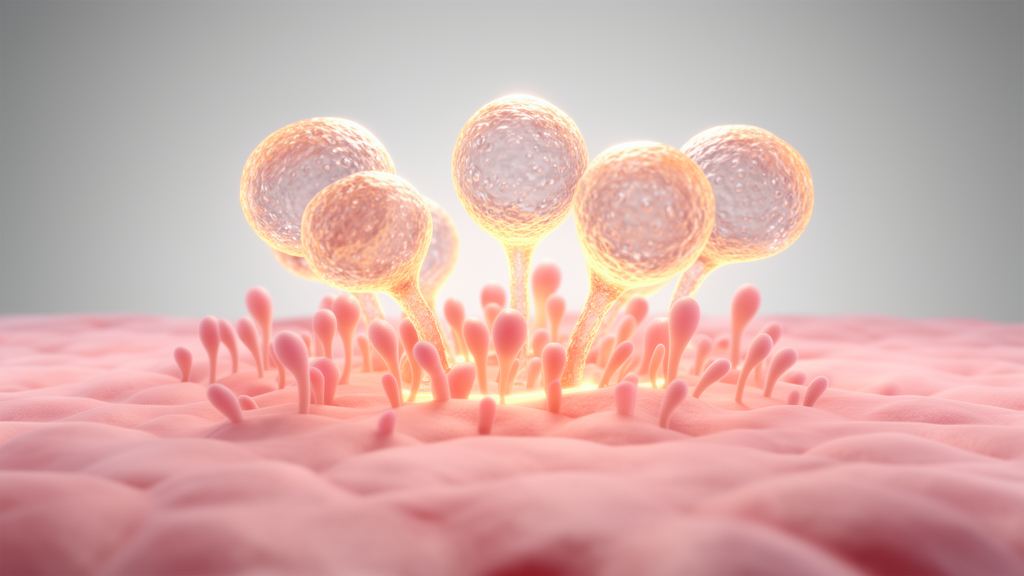
Deep beneath the skin at the tip of an injured finger, a microscopic battle unfolds that determines whether the body can rebuild what it has lost. New research from The Jackson Laboratory reveals that the very immune cells tasked with defending us against cancer and viruses can also sabotage the body’s attempts to regenerate damaged tissue—and, in a surprising twist, a specialized subset of those same cells can shield the rebuilding process from destruction. The findings, published in npj Regenerative Medicine, reshape how scientists think about the immune system’s role in repair and suggest that future regenerative therapies may need to protect the cells that rebuild tissue, not merely deliver or activate them.
The study, led by Senior Research Scientist James Godwin, focused on fingertip regeneration in mice, a rare example of a mammalian tissue that can partially regrow after amputation. Like humans, mice can regenerate multiple tissue types at the tips of their digits, including bone, skin, and nail, but only up to a certain point. This limited regenerative capacity has long made the digit tip a valuable model for understanding why mammalian repair falls short of the spectacular regeneration seen in animals like salamanders. Godwin, who is also an assistant professor at the MDI Biological Laboratory in Bar Harbor, Maine, built the project on his earlier discoveries that macrophages—innate immune cells—are essential for heart regeneration in axolotls, salamanders famous for regrowing entire lost limbs.
“There’s always been a bit of an underappreciation of how important the immune system is in directing these repair processes, but there is a lot of accumulating evidence that this is what really determines the success or failure of most wounds,” Godwin said. His team set out to examine the role of adaptive immune cells, the branch of the immune system that learns to recognize specific threats such as viruses and cancer cells. What they found was a system of checks and balances in which the same cellular family both hinders and protects regeneration, depending on which members are present and what signals they produce.
The experimental design was unusually broad. The researchers worked with 16 genetically diverse strains of mice, including some engineered to lack different types of immune cells. This diversity mattered because immune behavior varies across genetic backgrounds, and the team wanted conclusions that would not depend on the quirks of a single laboratory strain. Across the panel, a clear pattern emerged: when adaptive immune cells were absent, regeneration of the injured digit tip was faster and more effective. The immune system, in other words, was not a passive bystander in repair—it was an active brake on the process.
Zooming in, the researchers identified CD4+ T cells as the chief culprits. These cells, sometimes called “helper” T cells because they coordinate immune responses, strongly inhibited regeneration. Further experiments revealed something more aggressive than mere interference: the CD4+ T cells could directly kill progenitor cells, the immature cells that give rise to the specialized cells needed to rebuild bone. Under the microscope, imaging showed CD4+ T cells attacking progenitor cells, which died as the regeneration process stalled. The team pinpointed an immune signaling molecule called interferon-gamma as a major driver of this cytotoxic activity. When CD4+ T cells were unable to produce interferon-gamma, they no longer blocked regeneration, linking the destructive behavior to a specific molecular pathway.
“CD4+ T cells are negative forces in this context, but they’re also the guardians of our body in terms of cancer and viruses,” Godwin explained. “It’s possible that because our human body has evolved to balance the ability to repair and the ability to ward off these threats, that we’ve landed in this situation where we don’t have a lot of regenerative capacity, but we have good cancer and viral surveillance.” The idea reframes the limited regenerative power of mammals not as a simple evolutionary failure but as the price of a vigilant immune system. A body that tolerates rapid, progenitor-driven growth everywhere might also tolerate tumors; a body that ruthlessly surveys its tissues for abnormal cells may inevitably attack the benign growth needed for regeneration.
Yet the story does not end with destruction. Not all CD4+ T cells behaved the same way. Regulatory T cells, a subset known as Tregs that normally keeps immune responses under control, turned out to be protectors rather than attackers. These cells shielded the progenitor cells involved in rebuilding the fingertip from assault by other CD4+ T cells. When the researchers removed Tregs from the equation, regeneration was delayed, and the immune system began damaging even uninjured bone—a sign that the protective subset restrains not only the attack on rebuilding tissue but also collateral damage to healthy structures nearby.
The therapeutic implications of that protection became clear in the team’s rescue experiments. Adding Tregs back restored regeneration, as did increasing levels of RANKL, a naturally occurring molecule that helps control bone breakdown and remodeling. RANKL is well known to bone biologists as a key regulator of osteoclasts, the cells that dismantle bone, but its role here suggests it also participates in the immune dialogue that permits reconstruction. Together, the findings offer new insight into how the immune system interacts with bone and how that balance may be disrupted by disease and aging, Godwin noted—conditions in which Treg function and bone remodeling are both known to change.
More work is needed to determine whether similar mechanisms operate in human tissue, but the study already points toward practical strategies. Cell-based therapies for severe injuries—transplants of stem cells or progenitor cells intended to rebuild damaged spinal cords, bones, or other structures—often struggle because the transplanted cells fail to survive in their new environment. If destructive immune responses are part of the reason, then protecting transplanted cells from attack could complement current efforts to deliver or activate them. The regenerative medicine field has concentrated heavily on sourcing the right cells; this research suggests an equally important question is how to keep those cells alive once the immune system notices them.
“In the future, if somebody had an injured spinal cord or major damage to one of their bones, we might be able to use targeted immunotherapy to temporarily shift the immune system and ramp up the cells that support regeneration while suppressing those that interfere with it,” Godwin said. He was quick to caution that no therapy is ready and no patients are on the horizon yet, but identifying what needs to change is an essential step toward getting there. The study’s central lesson—that regeneration is not capped by an immutable biological limit but shaped by a negotiable immune balance—offers a reason for optimism. What once looked like a hard ceiling on mammalian repair may instead be a dial, waiting for the right combination of immune signals to turn it.
Subject of Research: The dual role of T cells in mouse digit-tip regeneration
Article Title: ‘A balancing act:’ The same immune cells hinder and protect tissue regeneration
Article References: ‘A balancing act:’ The same immune cells hinder and protect tissue regeneration. (n.d.). Original publication
Image Credits: AI Generated
DOI: Not provided
Keywords: tissue regeneration, T cells, regulatory T cells, immunology, digit tip regeneration, interferon-gamma, RANKL, progenitor cells, regenerative medicine, Jackson Laboratory, balancing, same
News Source: Kristina Jarvis. (October 16, 2026). Same Immune Cells That Guard Against Disease Also Block Tissue Regeneration. Scienmag.